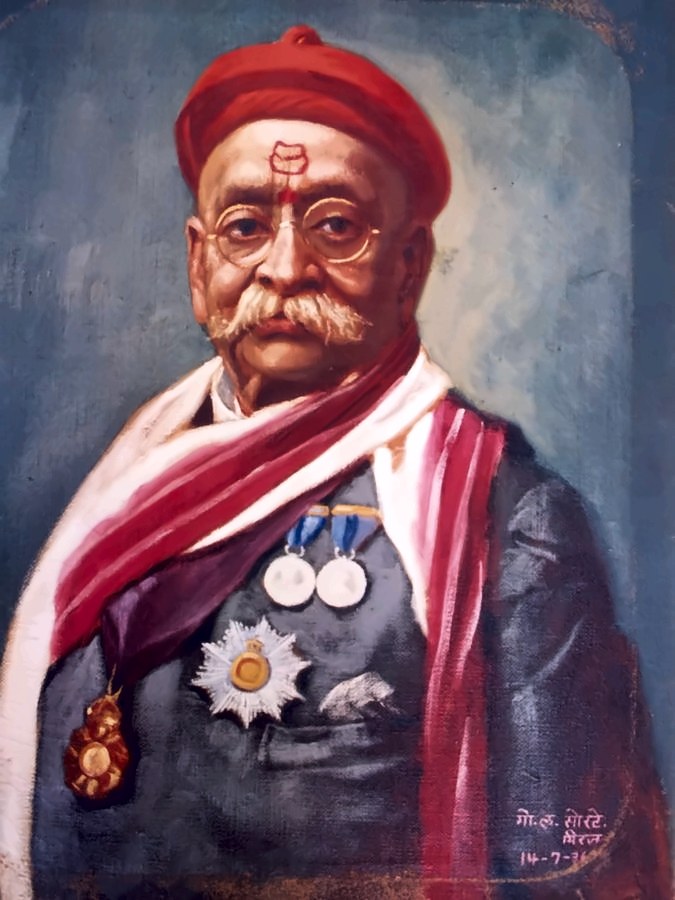
Born Gopalrao at Baramati in 1866 and adopted into the Miraj family, His Highness Shrimant Sir Gangadharrao took charge of the State at a great Darbar on 7 February 1887, attended by the Jahagirdars and Sardars of Miraj and the Political Agent. For the next fifty-three years he made his small State a centre of music, physical culture and learning. His subjects called him “Edje Man Saheb”.
The music of Miraj
Miraj’s place in Hindustani classical music owes much to his patronage. He supported Pandit Balkrishnabuva Ichalkaranjikar and Pandit Vishnu Digambar Paluskar, and through Pandit Vinayakrao Patwardhan the Gandharva Mahavidyalaya schools taught music free of charge. Paluskar breathed his last at Hirabag in Miraj. The town’s craftsmen became famous for their sitars and tanpuras, which were sought all over India and abroad. In 1898 His Highness built the Hansa Prabha Theatre, where Bal Gandharva gave his first performance in Miraj.
Malla Vidya and Surya Namaskar
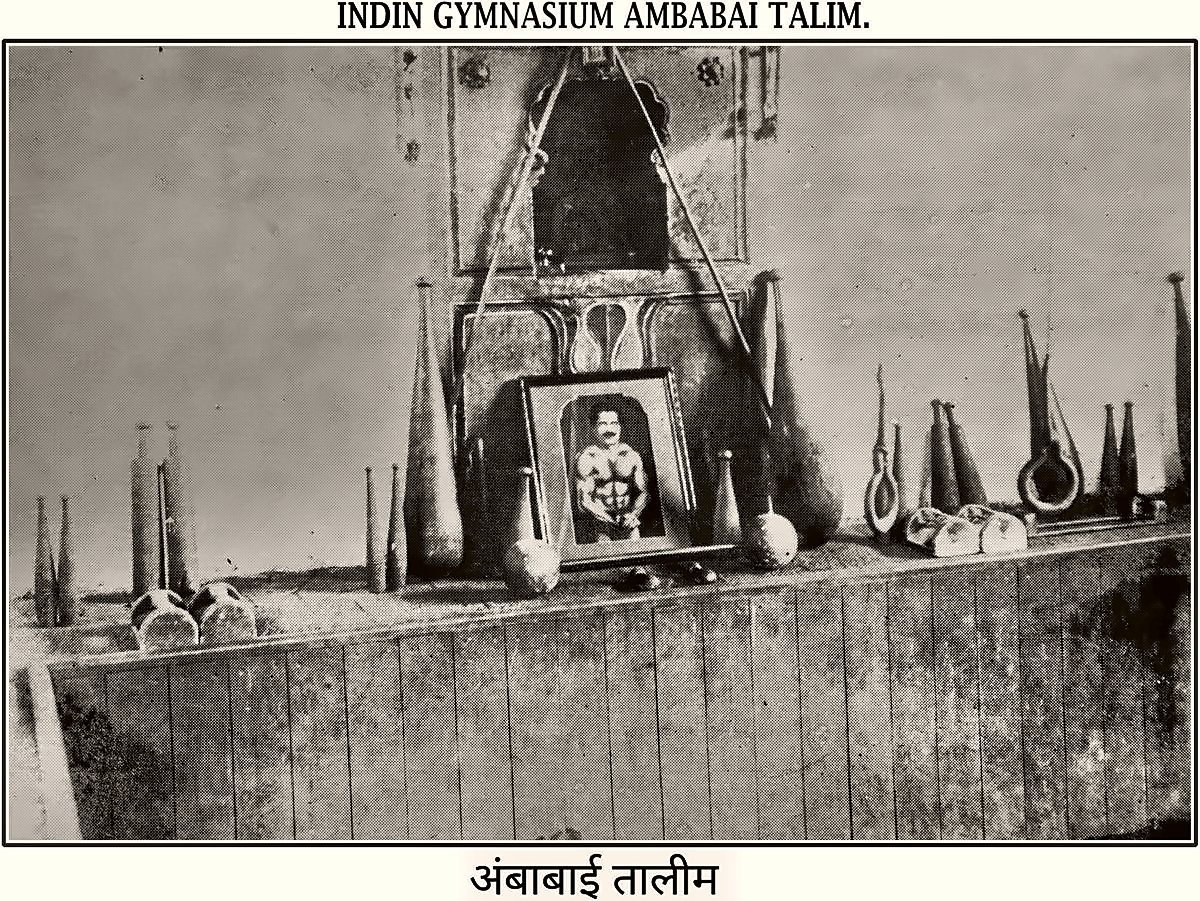
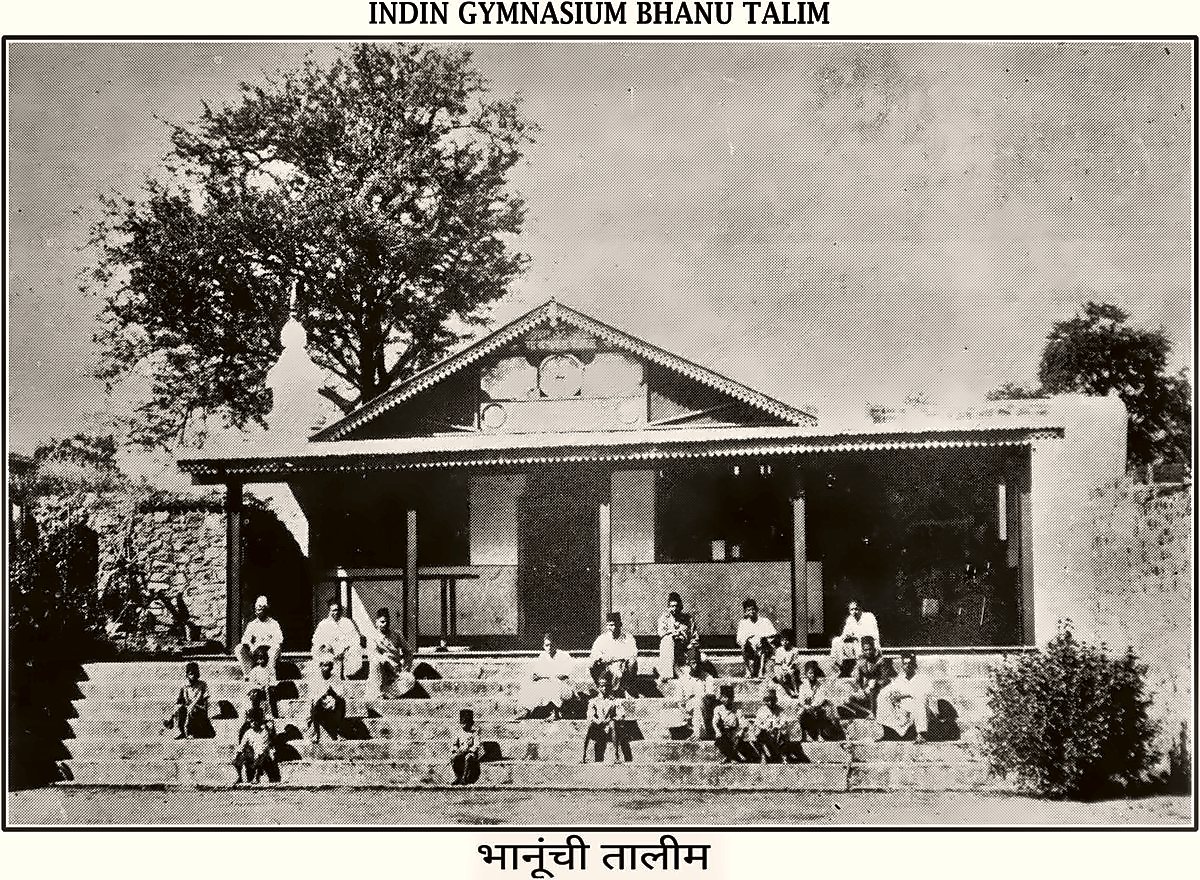
He was himself trained in wrestling by Damodar Guru and Imandin, and kept wrestlers such as Chhotu Singh, Babu and Ghulam Dastagir in his service. He founded the Ambabai Talim and the Bhanu Talim, which still teach Malla Vidya in Miraj, and wrote two volumes on wrestling illustrated with photographs. Believing that every young citizen should exercise daily, he created the Surya Namaskar Jubilee Trust. At festivals the State held wrestling competitions, with farm implements given as prizes.
Schools, books and history
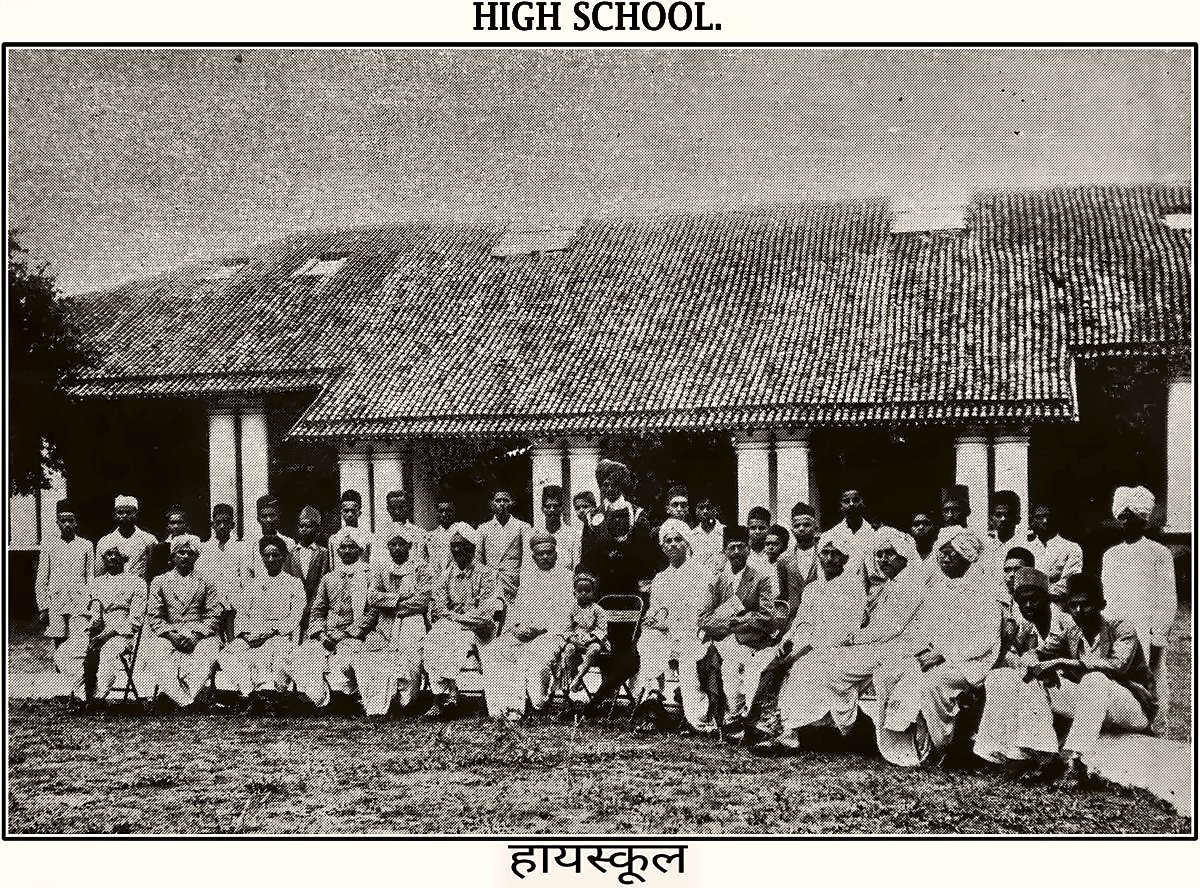
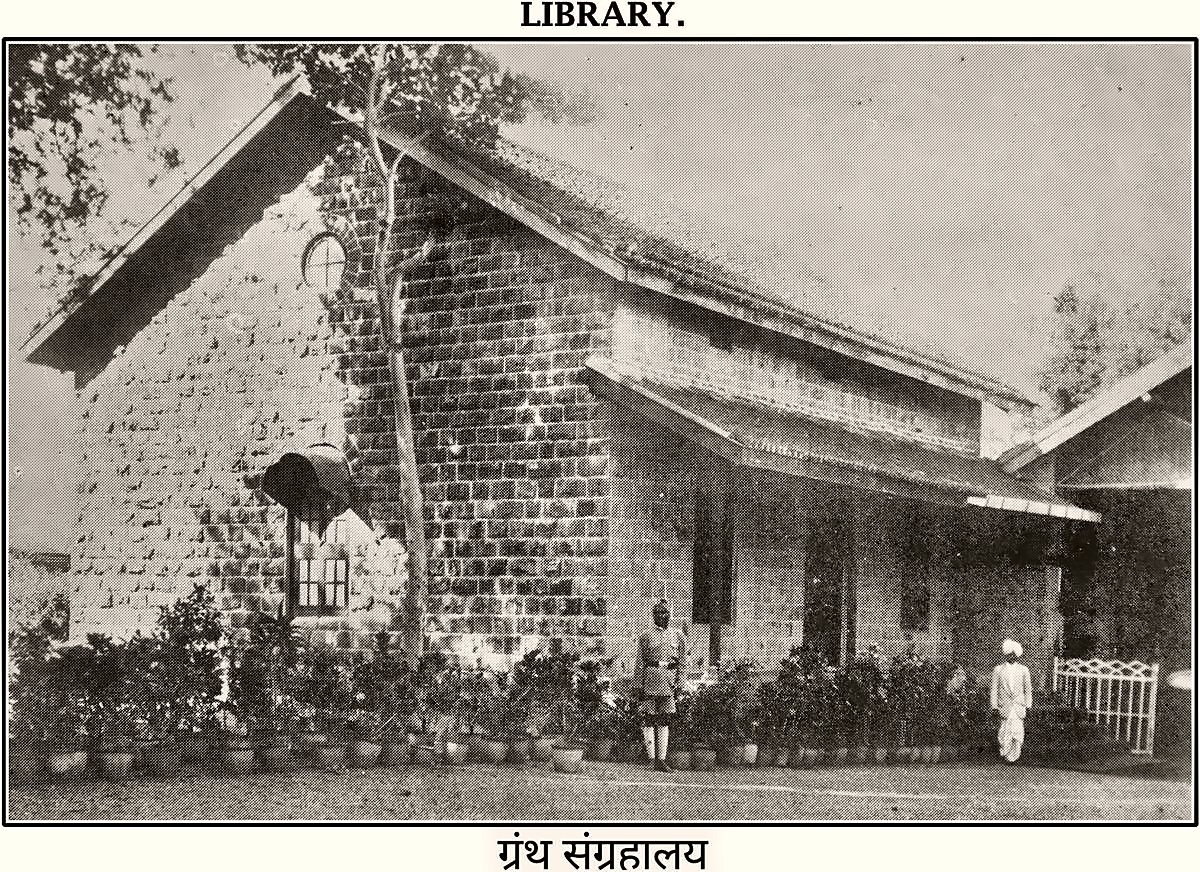
He founded Jubilee Kanya Shala for girls, Miraj High School and the Jubilee Library, and gave 5,000 books and laboratory equipment from his own collection to Willingdon College, Sangli. He was Vice-President of the Deccan Education Society, presided over the Akhil Bharatiya Sahitya Sammelan in 1915, lectured on the Dnyaneshwari and the Dasbodh, and wrote a small book, Puran Mhanje Kay. He knew Lokmanya Tilak and Narasinha Chintamani Kelkar, an old boy of Miraj High School who became editor of Kesari.
Wishing his family’s story to be properly recorded, he asked the historian Vasudev Shastri Khare to work through the records in the private office at Miraj, many of them in Modi, Urdu and Persian. The result was Khare Shastri’s fifteen volumes on Patwardhan history.
A modern State
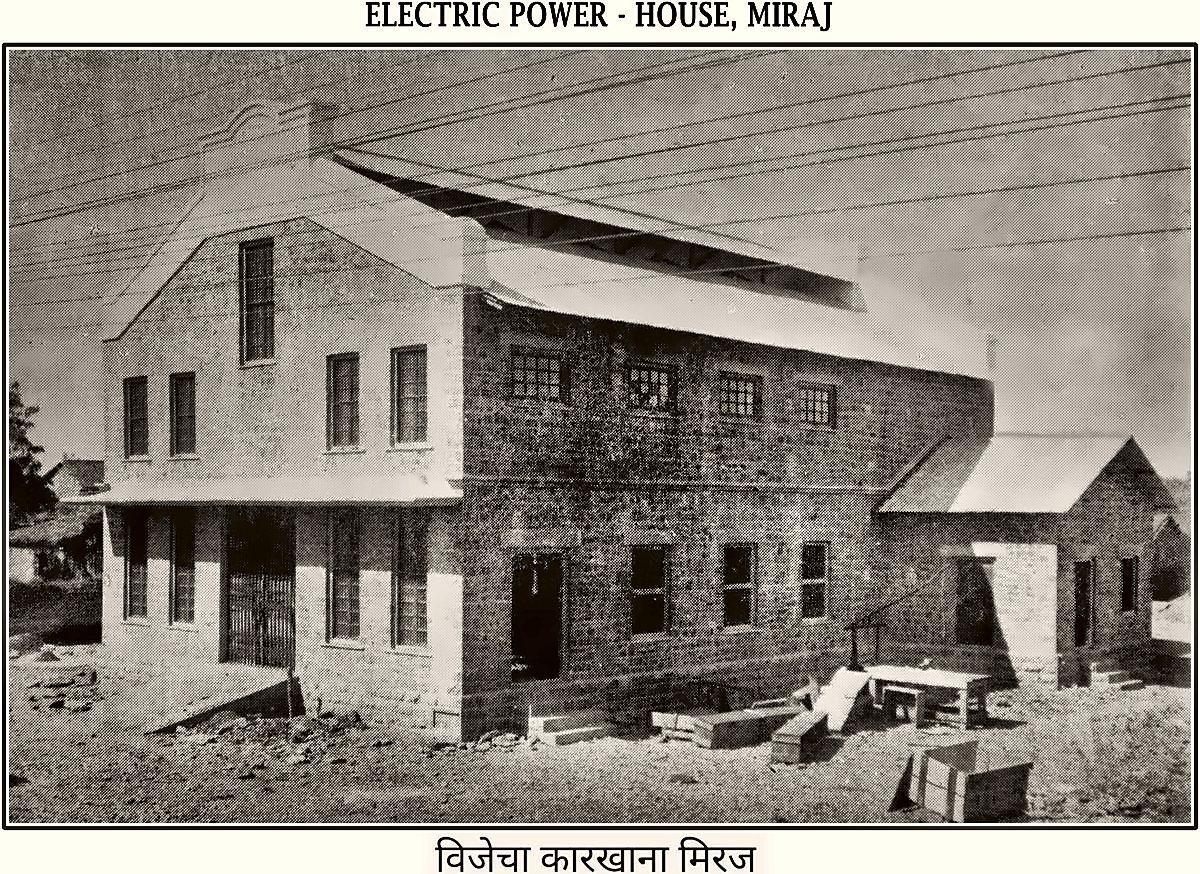
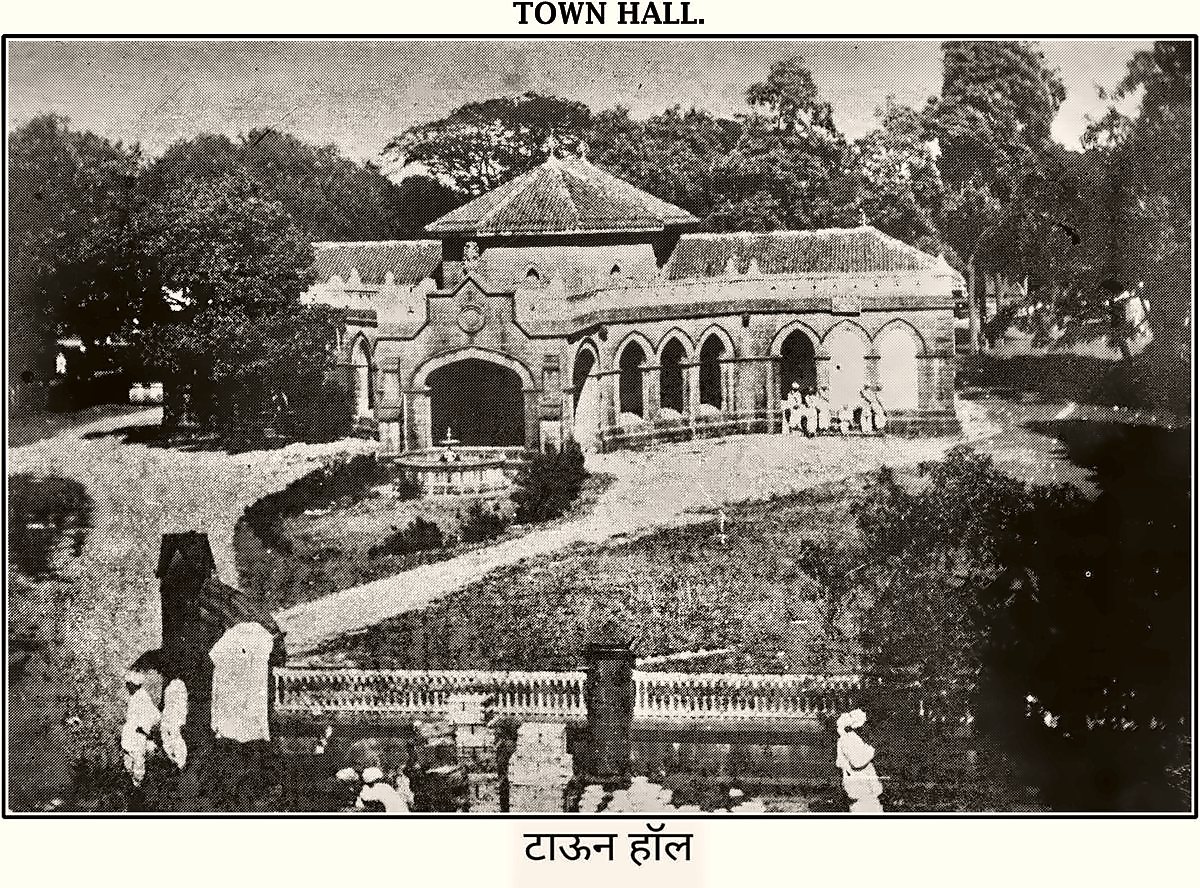
He brought electricity to Miraj, founded the Crystal Ice Factory and the Ganesh Kalagraha workshops, built the Town Hall as famine relief, the Tandul Market, the Hindu Dharmashala and the Namdeo Mandir, gave land for the Mission Hospital, and gave his subjects a local governing body. He was a trustee of the Mirasaheb Dargah and kept harmony between Hindus and Muslims. He died at Miraj on 21 December 1939.
Sources
- Gangadharrao Patwardhan, A Short Sketch of the Patwardhans, ed. Madhavraje Patwardhan, chapter on His Highness Shrimant Sir Gangadharrao Ganesh (III)
- Articles by Mansinghrao Kumthekar