A thousand years of Miraj
History
The story of Miraj Fort and of the Patwardhan family who have held it since 1761.
Chapter I
Miraj Fort before the Patwardhans
Around the turn of the first millennium, Miraj passed to the Silaharas of Kolhapur. Copper plates of the Silahara ruler Narasimha, dated Saka 980 (1058 A.D.), describe his successor Gonka as the conqueror of Karahata (Karad), Mairinja (Miraj) and the Konkan. In 1216 A.D. Miraj fell to the Yadavas, who held it until 1318, when it passed to the Bahamanis.
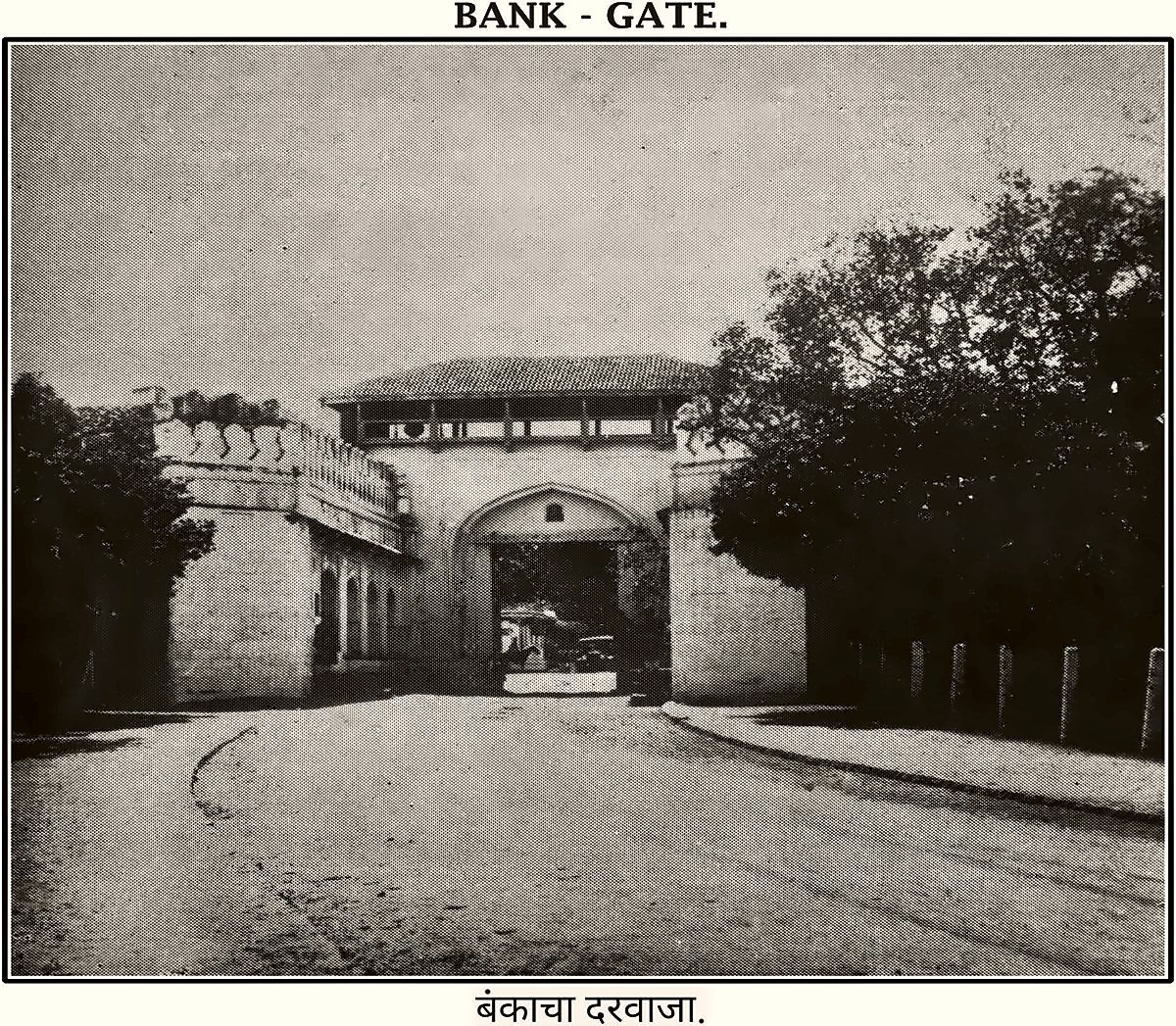
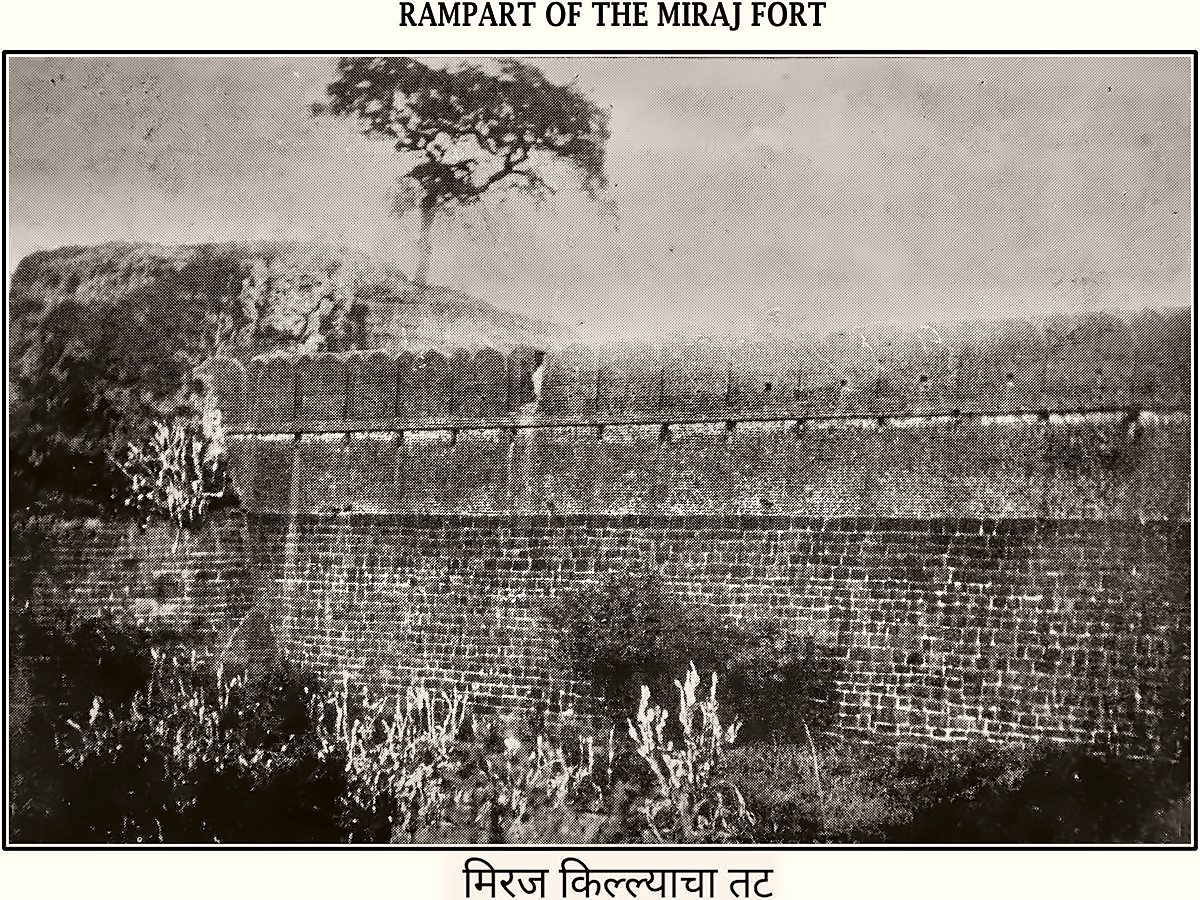
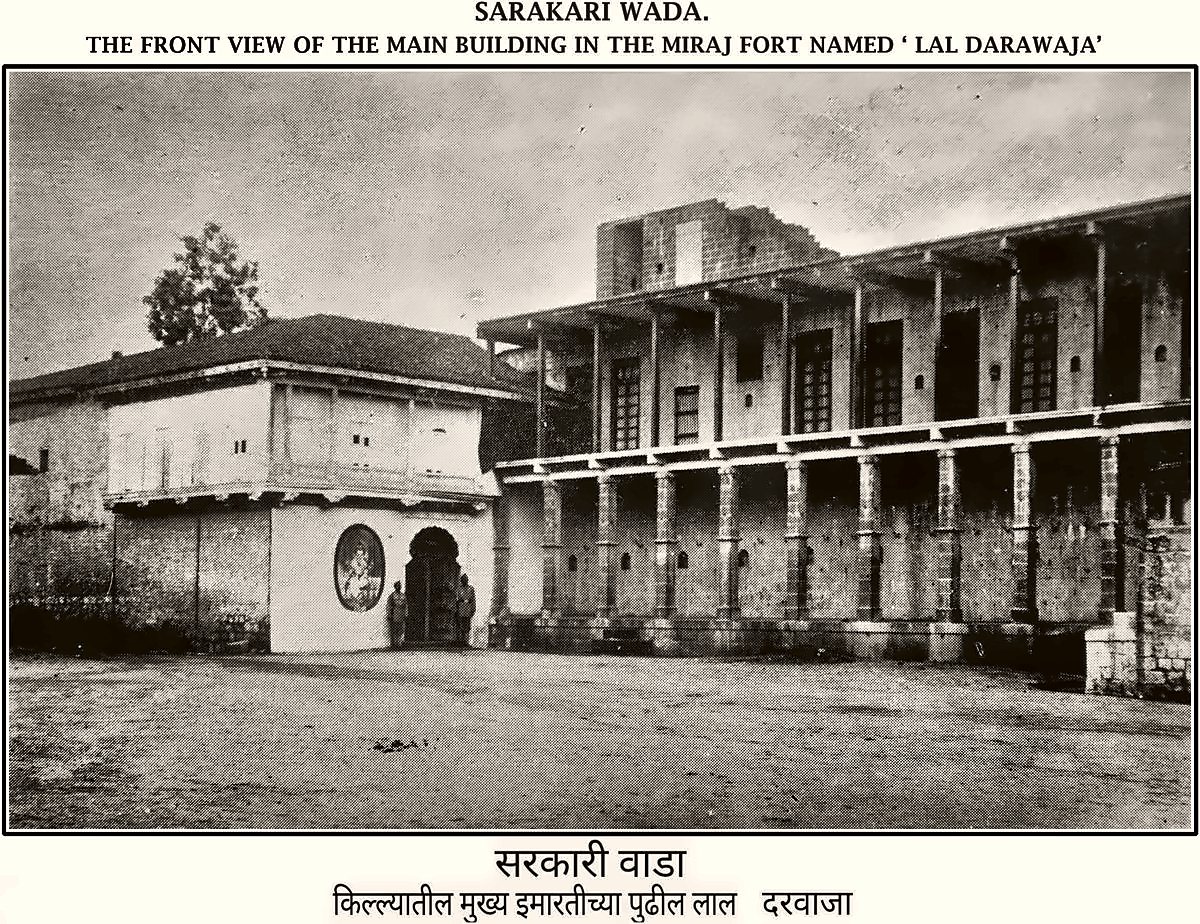
According to the Tazkirat-ul-Mulk, Hasan, founder of the Bahamani dynasty, captured the fort after defeating its governor, Rani Durgavati, and the town was renamed Mubarakabad in 1347. Who first built the fort is not known; the Bahamani Sultans may only have repaired an older structure. The fort had twenty-seven observation towers and gateways wide enough for elephants. One of them, Bankacha Darwaja, faced the road to Bankapur, from which it takes its name.
On the fall of the Bahamanis, Miraj passed to the Adil Shahi Sultans of Bijapur. In 1659–60, after the death of Afzal Khan, Chhatrapati Shivaji Maharaj sent Netaji Palkar to besiege Miraj and arrived in person in January 1660, before the advance of Siddi Johar called him back to Panhala. In the time of Chhatrapati Sambhaji Maharaj, the Maratha generals Santaji Ghorpade and Dhanaji Jadhav kept their families in the safety of Miraj Fort while they fought the armies of Aurangzeb.
With the fall of Bijapur in 1687 Miraj passed to the Mughals, and remained theirs until Chhatrapati Shahu Maharaj captured it on 3 October 1739 after a two-year campaign.
Chapter II
Haribhat Baba, the Mul-Purush
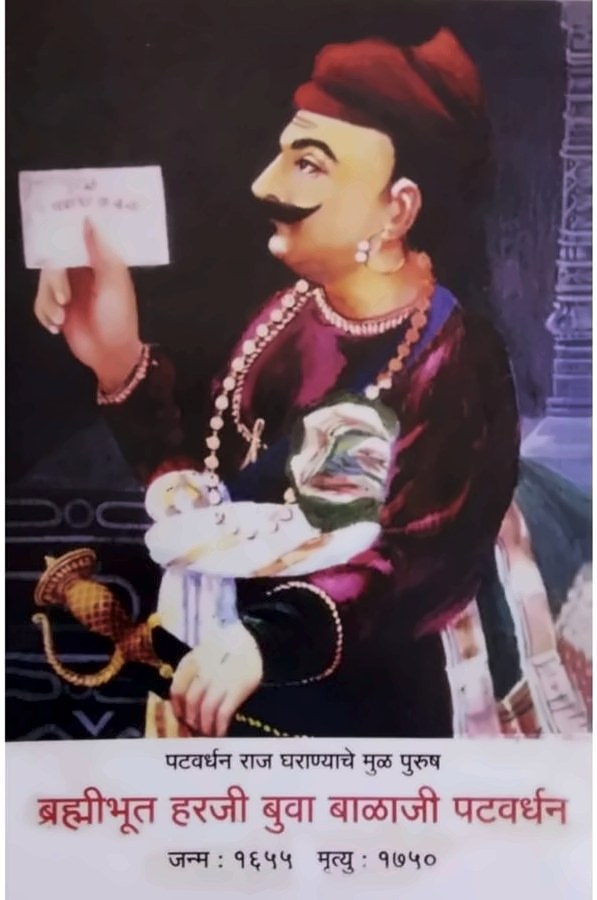
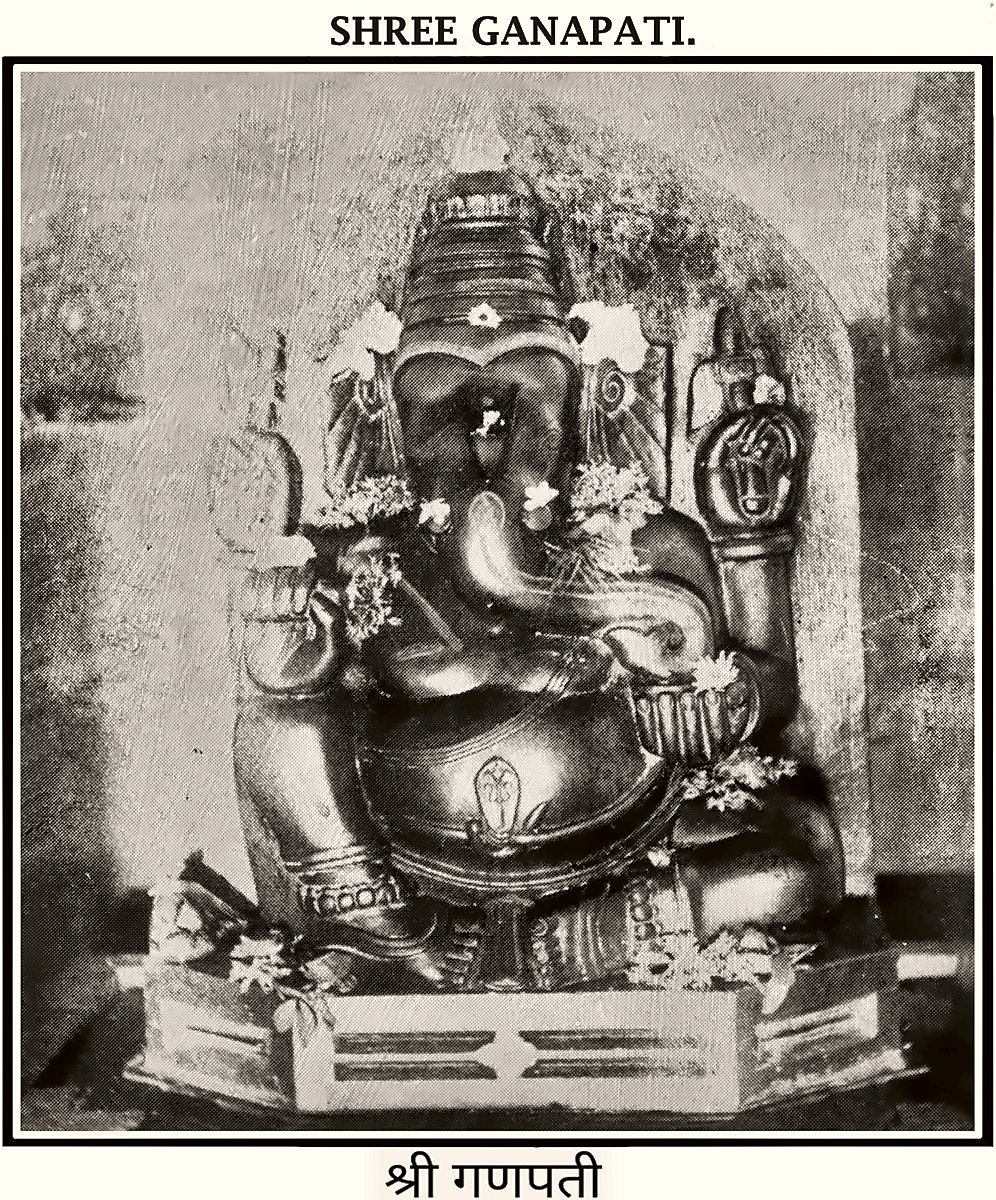
The history of the Patwardhan dynasty is the story of a Brahmin priest. Haribhat Baba was born around 1655 in the small hamlet of Kotawade near Ganpatipule, in present-day Ratnagiri district. A devotee of Lord Ganesh, he performed long penance at Ganpatipule before leaving the Konkan for the Deccan plateau.
He came to Kapshi near Kolhapur, where he was appointed family priest (upadhyaya) to the Joshi family, close associates of the general Santaji Ghorpade and later Chiefs of Ichalkaranji. He was given the village of Kurundwad as an inam, and there, on the banks of the Krishna, he built the Ganesh temple at what is still known as Ganeshwadi.
Haribhat Baba had seven sons, and from them descend the great Patwardhan houses: the Ambekar and Mangalvedhekar Patwardhans (Krishnabhat), the Patwardhans of Miraj Killa (Balambhat), the Kurundwad Patwardhans (Trimbak Hari), the Miraj and Sangli houses (Govind Hari), the Jamkhandi, Tasgaon and Chinchni houses (Ramchandra Hari) and the Shelsatkar Patwardhans (Bhaskar Hari). When the Peshwas made Govind Hari and Ramchandra Hari Sardars in the Maratha army, the family left the priesthood and became soldiers.
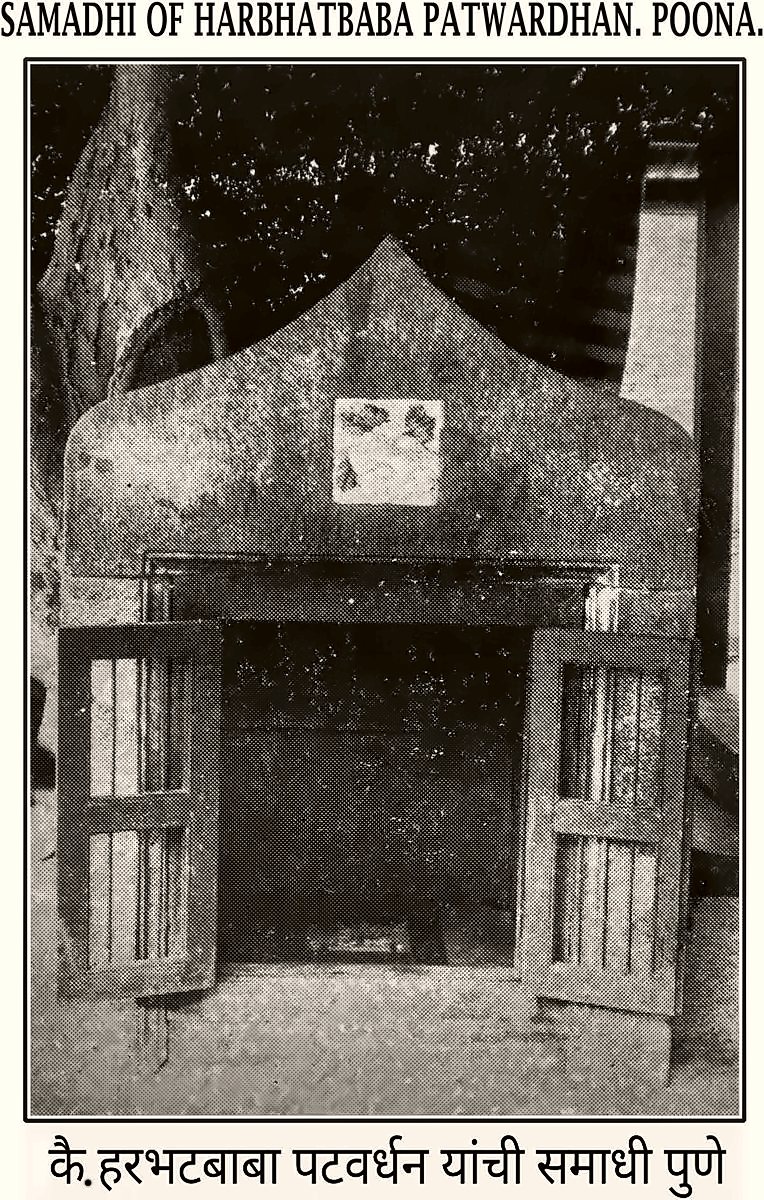
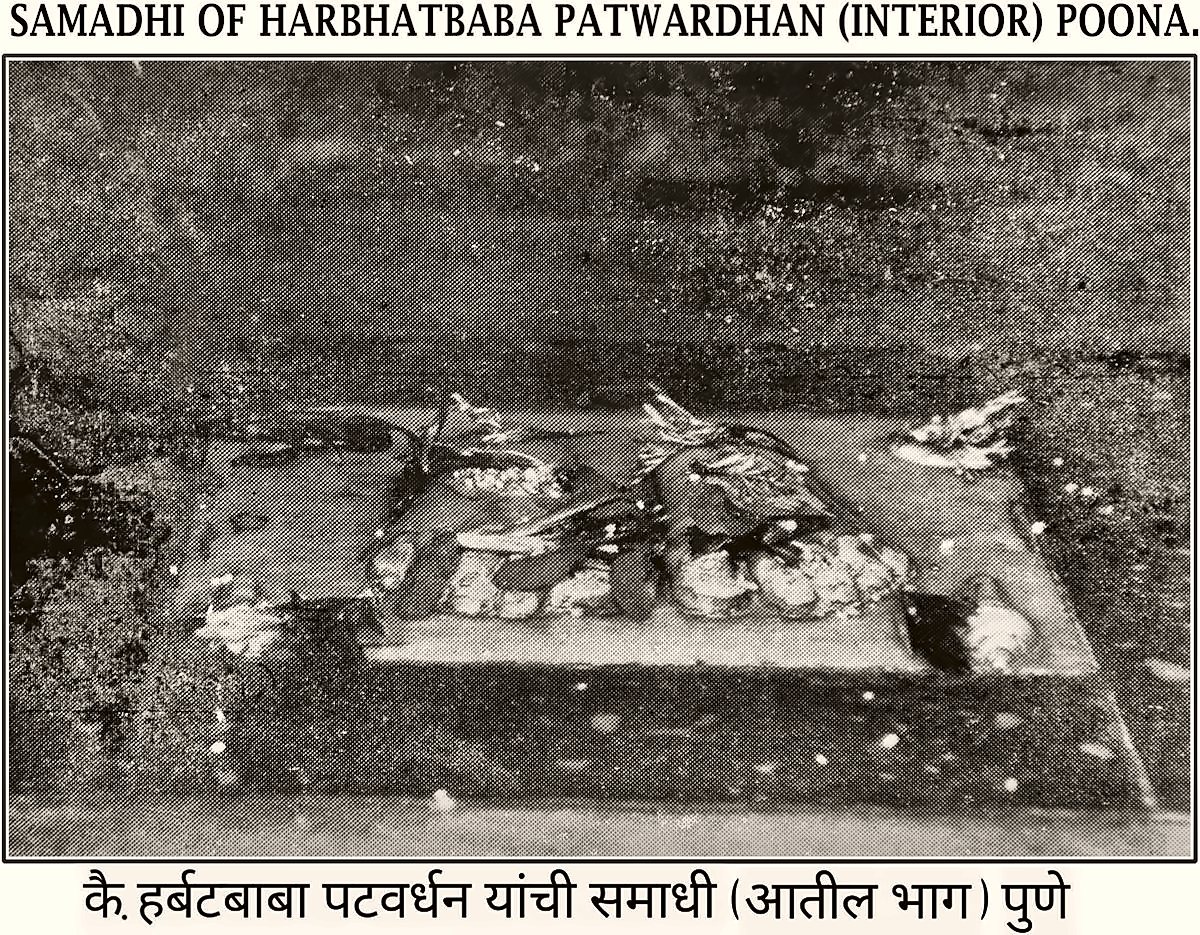
Haribhat Baba settled in Pune in his last years and died there around 1750, aged about ninety-three. His samadhi stands near Omkareshwar on the banks of the Mula–Mutha. To this day the family honour him as their mul-purush and call themselves the Hari Vansh Patwardhans.
Chapter III
Govind Hari and the Saranjam of Miraj
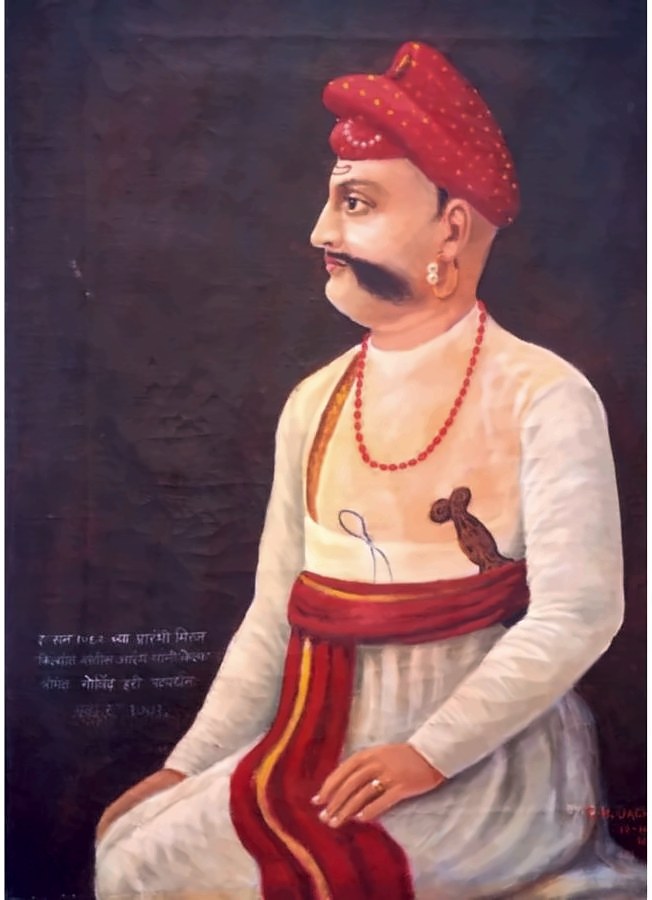
Govind Hari, the fourth son of Haribhat Baba, joined the Peshwa’s army under Bajirao I around 1730. In 1736 he received the phadnisi of the Kadambande paga, and Nanasaheb Peshwa later granted him a Saranjam for the upkeep of his troops. He rode with the Peshwas to Malwa, Delhi, Bundelkhand and the north. His brother Ramchandra Hari fought under Chimaji Appa in the campaign of 1737–39 that freed Thane and Vasai from the Portuguese, and was given the honour of raising the Maratha flag at Vasai. [Kulkarni, Part 1]
Under Nanasaheb Peshwa the Patwardhans became the principal supporters of the Peshwai in the Deccan, as the Shindes and Holkars were in the north. Govind Hari’s eldest son Gopalrao captured Damaji Gaikwad in 1751 and, after the Battle of Udgir, took the strong fort of Daulatabad from the Nizam by blockade in 1760. [Kulkarni, Part 2]
After the disaster of Panipat and the death of Nanasaheb in 1761, the family stood by the young Peshwa Madhavrao. In 1761 the Peshwa granted Govind Hari the fort of Miraj, until then held by Shivaji Ballal, and the Patwardhans were charged with guarding the frontier from the Krishna to the Tungabhadra against the Nizam of Hyderabad, Hyder Ali and Tipu Sultan of Mysore. This was the beginning of the Patwardhan legacy at Miraj.
Loyalty to Madhavrao came at a cost. From December 1762 Raghunathrao (Raghoba Dada) besieged Miraj with some 50,000 men against about 1,500 defenders. Govind Hari, then sixty-five, held the fort for nearly a month while Gopalrao kept the family’s army in the field; the fort was surrendered on terms on 3 February 1763, with Kurundwad, Kagwad and Mangalvedha left to the family. When Madhavrao regained power, Miraj was restored to the Patwardhans with further villages including Tasgaon, Ashta, Jamkhandi, Hubli, Navalgund, Bankapur and Laxmeshwar. [Kulkarni, Part 2]
Govind Hari died at Miraj on 21 November 1771, and his samadhi stands near the Krishna ghat.
Chapter IV
The Wars with Mysore
For the next three decades the Patwardhans were the vanguard of the south, protecting the Maratha Empire against the Nizam, Hyder Ali and Tipu Sultan. In 1764 the family fielded about 8,000 horse: 4,600 under Govind Hari, 2,400 under Parshuram Bhau and 1,000 under Trimbak Hari, with Gopalrao as chief commander. They fought Hyder Ali in the campaigns of 1764, 1766 and 1769–70, which ended in the Treaty of Anantpur and large indemnities paid to the Peshwa. [Kulkarni, Part 3]
The price was heavy. By the family’s own records, twenty-seven Patwardhans were killed, wounded or died in enemy prisons. Gopalrao died at Miraj in January 1771 after two decades in the field. His cousin Neelkanthrao was killed at the Battle of Moti Talav in March 1771, where Vamanrao helped inflict a crushing defeat on Hyder. Vamanrao died in 1775, and Pandurangrao, captured at the Battle of Swashi in January 1777, died a prisoner at Srirangapatna that November. [Kulkarni, Part 4]
Parshuram Bhau of Tasgaon then led the family in war. He commanded the Maratha army alongside the British and the Nizam against Tipu Sultan at Srirangapatna in 1792, and led the combined Maratha chiefs to victory over the Nizam at Kharda in 1795, the last great battle the Maratha confederacy fought together. He fell at Pattankudi in 1799.
Chapter V
The Founding of Sangli and the Treaties
After Pandurangrao, the Saranjam passed to his son Hariharrao, who fought beside Parshuram Bhau against the British at Borghat in 1781 but died young in 1782. His brother Chintamanrao succeeded as a boy, and the administration of Miraj was carried on by their uncle, Gangadharrao Govind (Balasaheb I).
Differences between uncle and nephew grew over the years, and in 1801 the Jagir was divided for the first time. Chintamanrao left Miraj and founded his own capital seven miles away at Sangli, where he built the Ganesh Durg, a Ganesh temple and a Darbar Hall. Many Miraj families divided too, the elder sons following Chintamanrao to Sangli and the younger staying at Miraj.
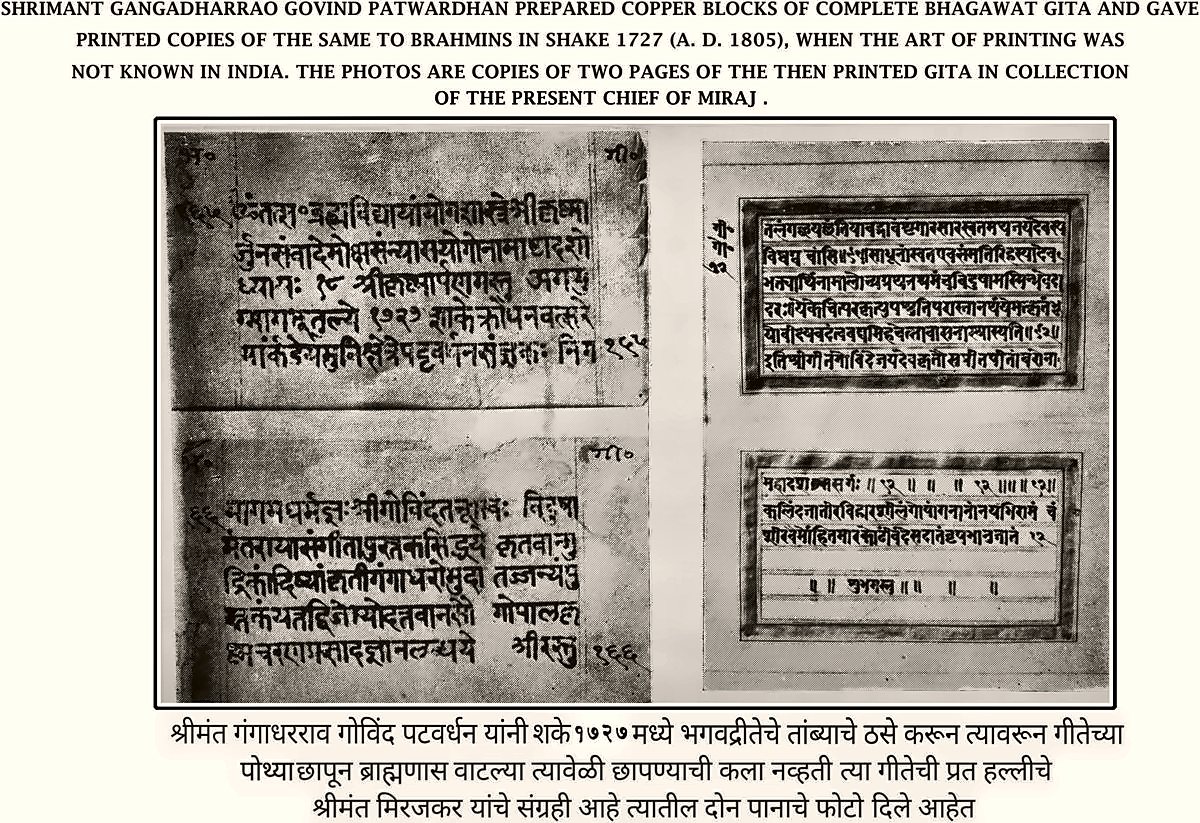
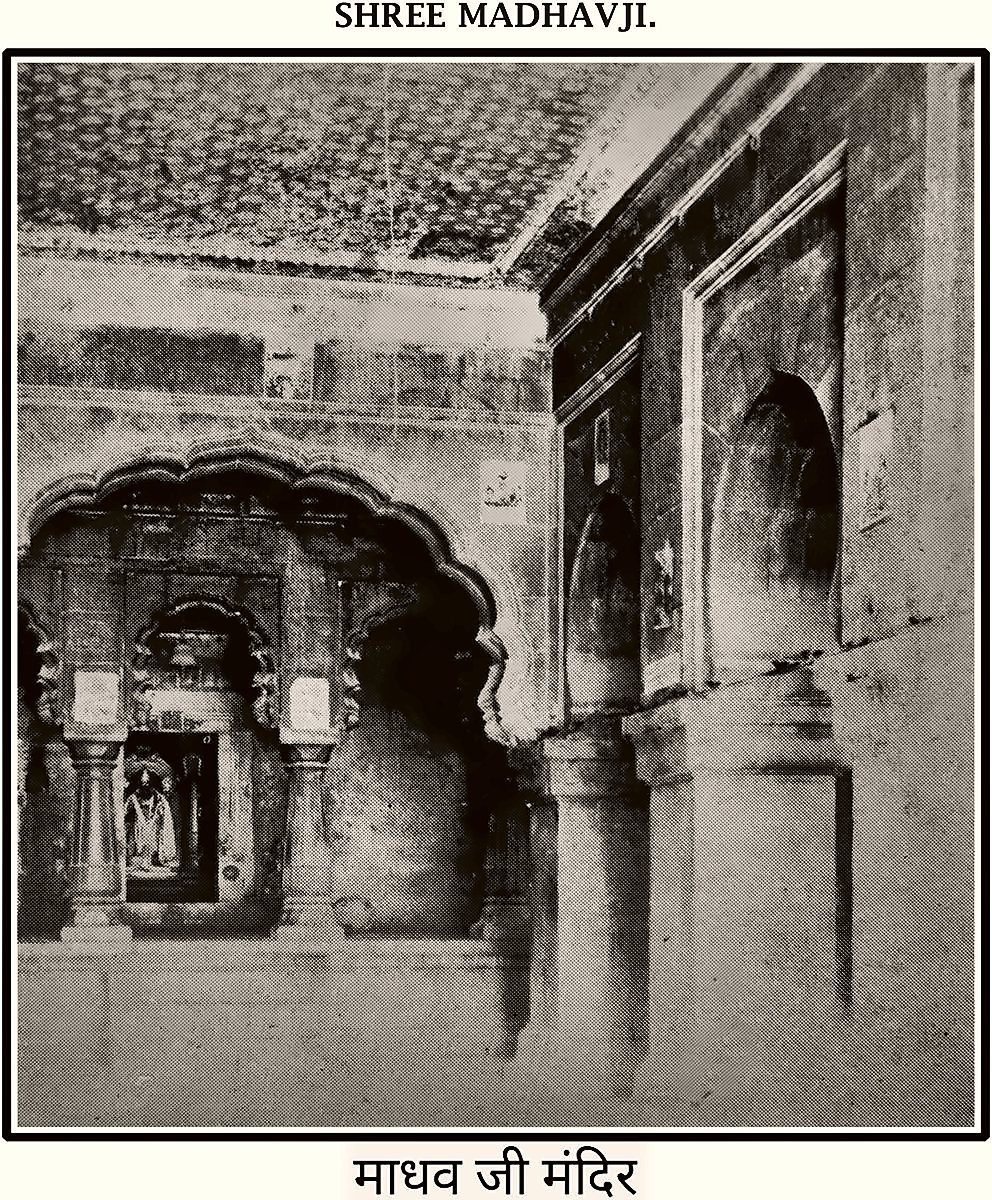
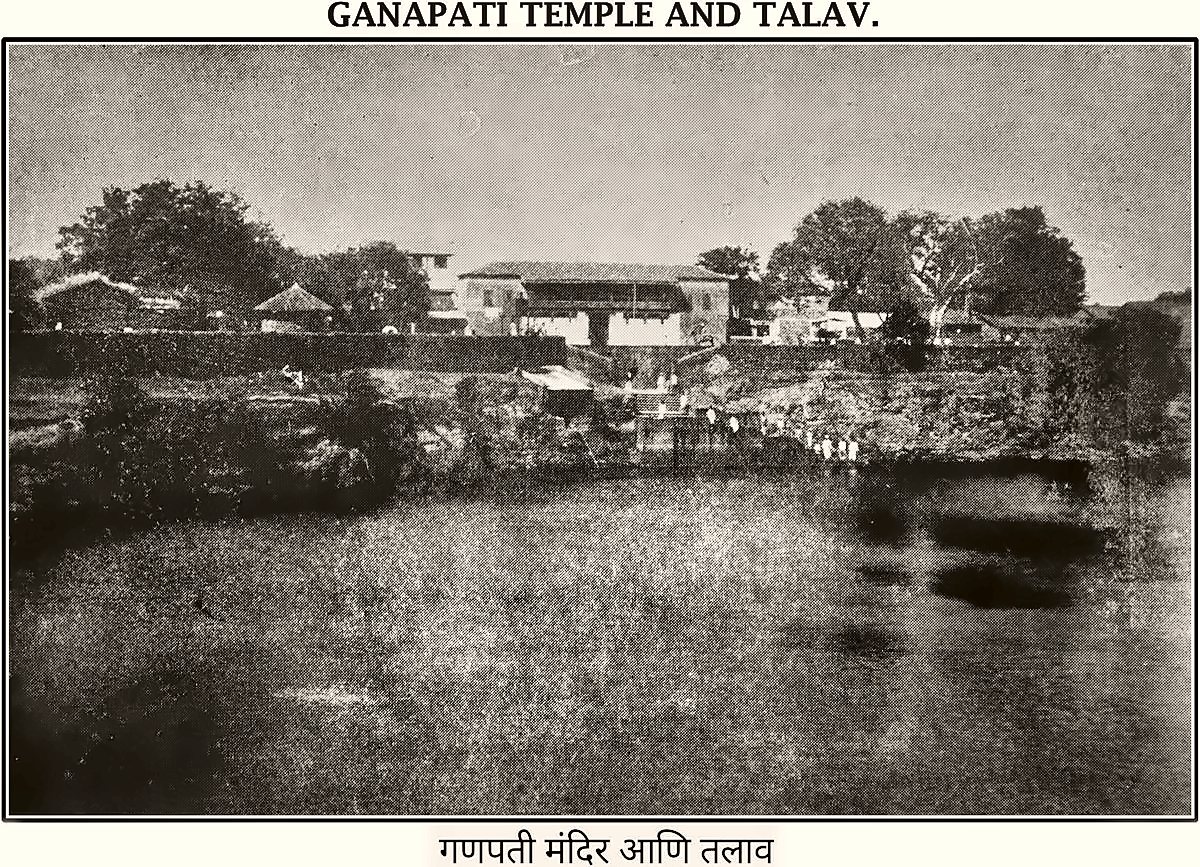
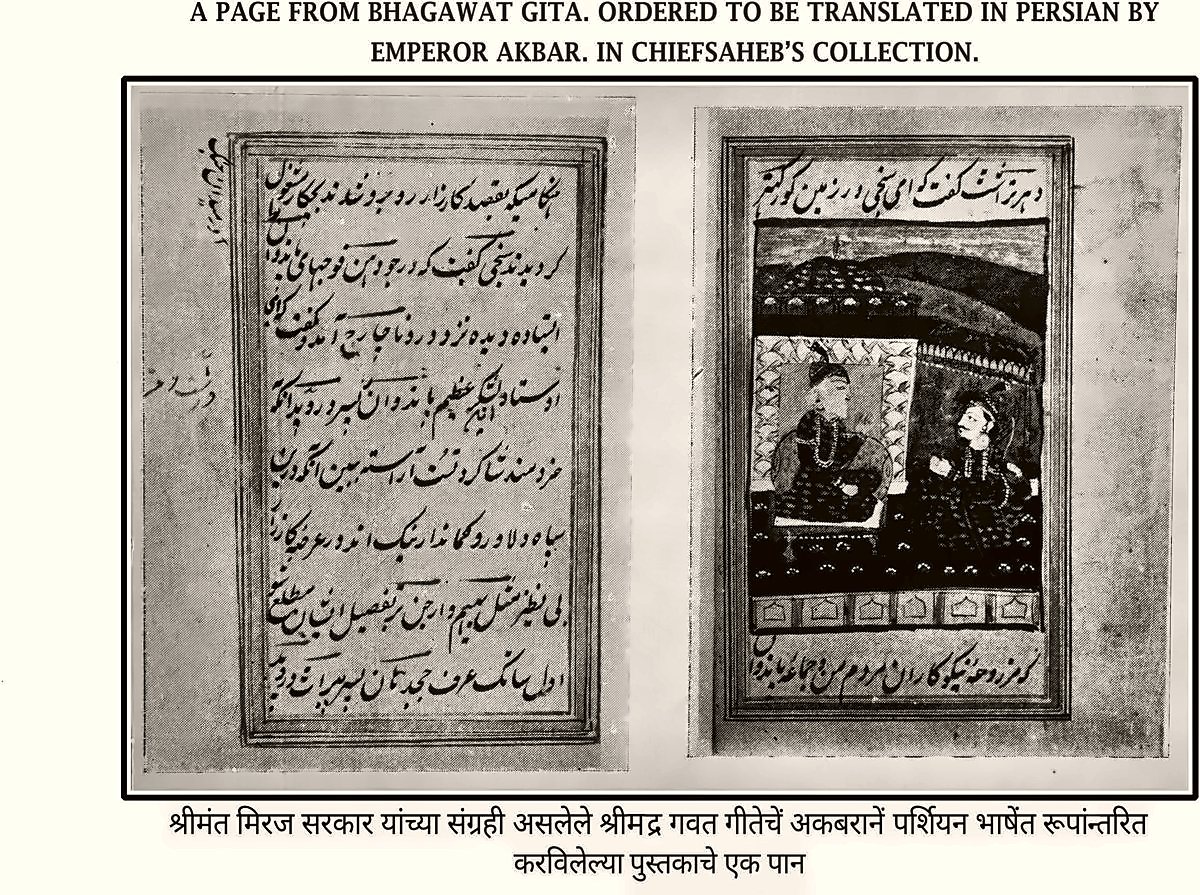
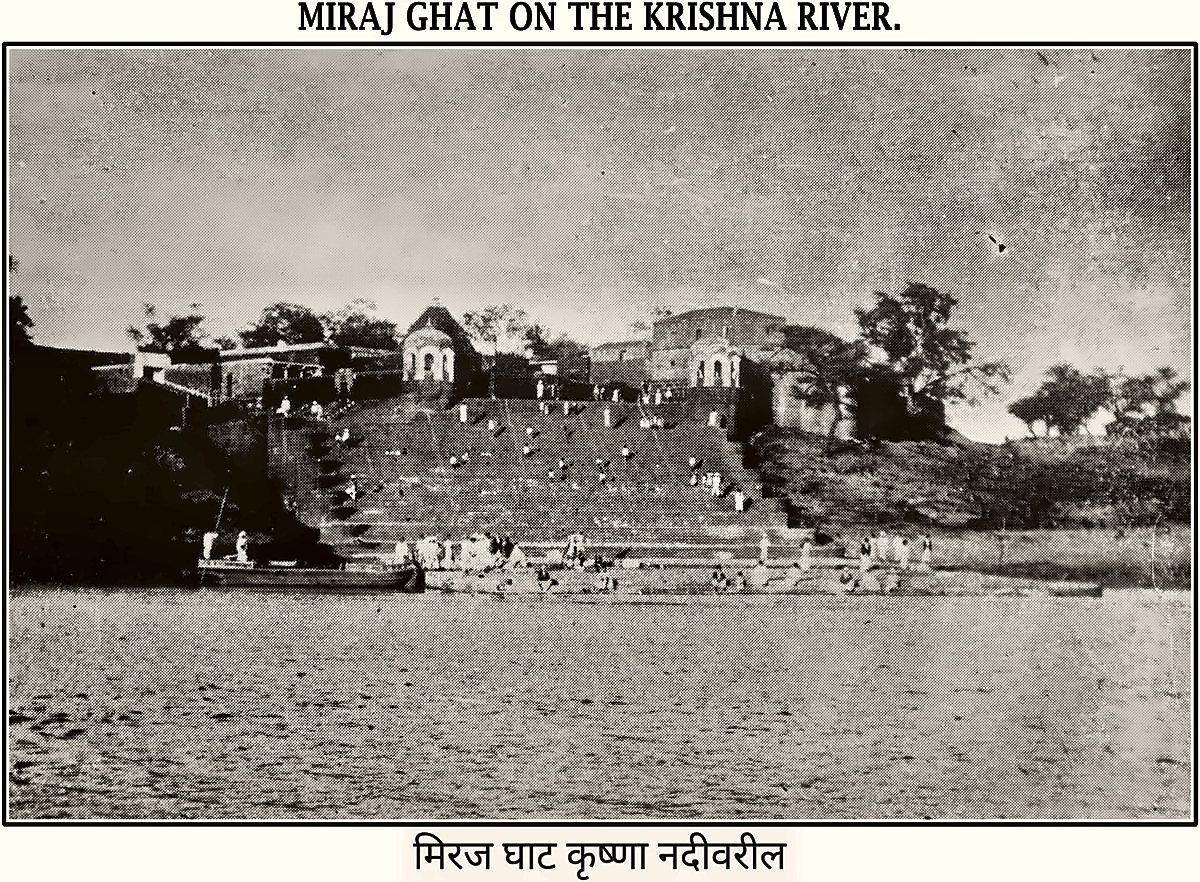
Gangadharrao I was an able administrator. In 1805 he had copper blocks made of the complete Bhagavad Gita and gave printed copies to Brahmins, at a time when printing was almost unknown in India. He set up a mint whose coins were known as the Miraj Agyyari, built a ghat on the Krishna, the Madhavji Mandir in the fort and, in 1799, the Ganesh Mandir and the tank at Ganesh Peth.
To settle the quarrels among the Patwardhan chiefs, the British Resident at the Peshwa’s court brokered an agreement in 1812, the Treaty of Pandharpur, which was formally recognised in 1817 and supplemented by separate treaties with the East India Company in 1819. In 1820 the Miraj Jagir was divided once more: Miraj went to Ganpatrao Tatyasaheb, with Soni, Miraj Mala and Supari going to other branches. Under the treaties, the Deccan Sardars became rulers of their own States, and were thereafter addressed as Rajesaheb.
Chapter VI
The Miraj (Senior) State
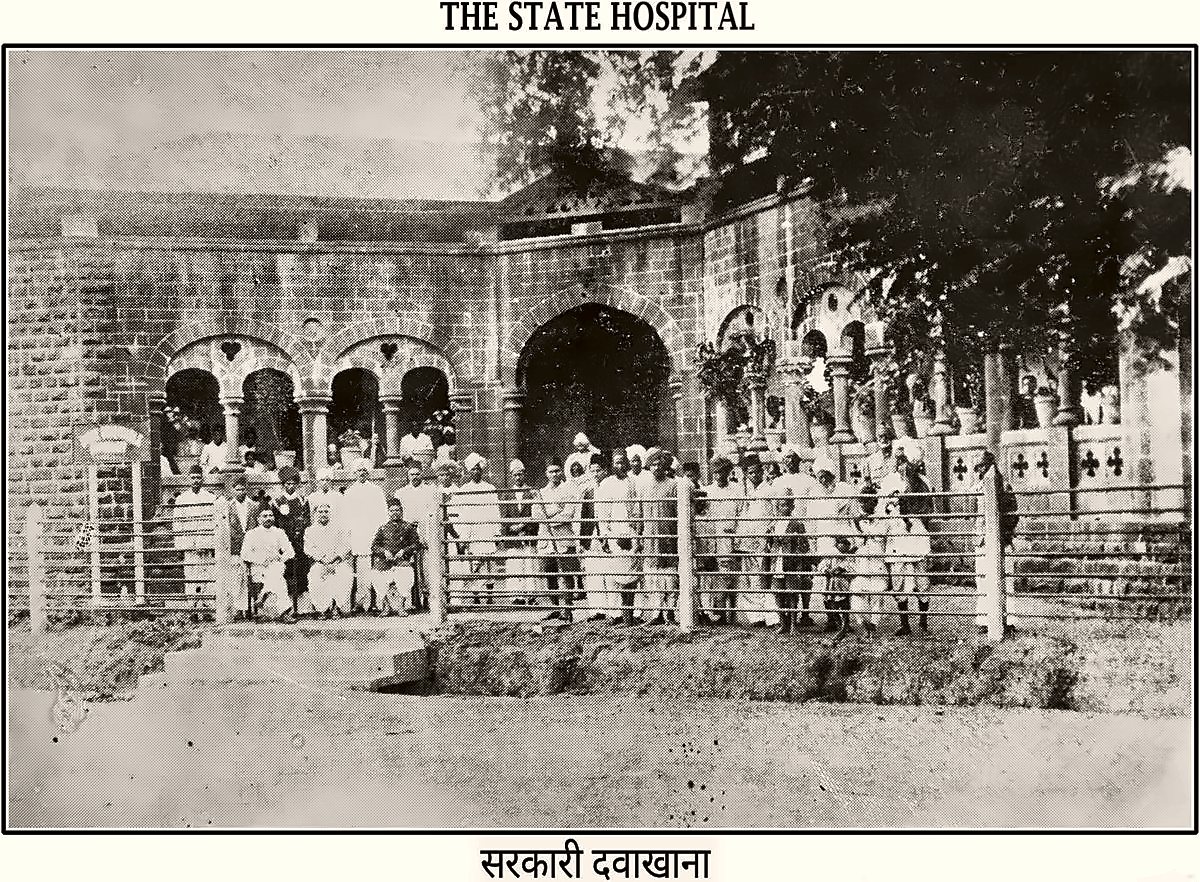
Through the nineteenth century the State passed from Ganpatrao Tatyasaheb (d. 1833) to Gangadharrao Balasaheb II, a disciple of Swami Niranjan Raghunath, who installed the Ek Mukhi Datta at the Madhavji temple in 1855; and then to Ganpatrao Tatyasaheb II, adopted from the Miraj Killa branch, during whose minority the British administered the State. He opened the State hospital in 1864 and was the first of the family to be photographed.
Its golden age came under His Highness Shrimant Sir Gangadharrao Ganesh alias Balasaheb Patwardhan, K.C.I.E., who took charge of the administration at a great Darbar on 7 February 1887 and ruled for fifty-three years. His subjects affectionately called him “Edje Man Saheb”; he kept harmony between Hindus and Muslims and was a trustee of the Mirasaheb Dargah at Miraj.
Music
Patron of Pt. Balkrishnabuva Ichalkaranjikar and Pt. Vishnu Digambar Paluskar. Miraj’s sitars and tanpuras became famous across India and abroad.
Malla Vidya
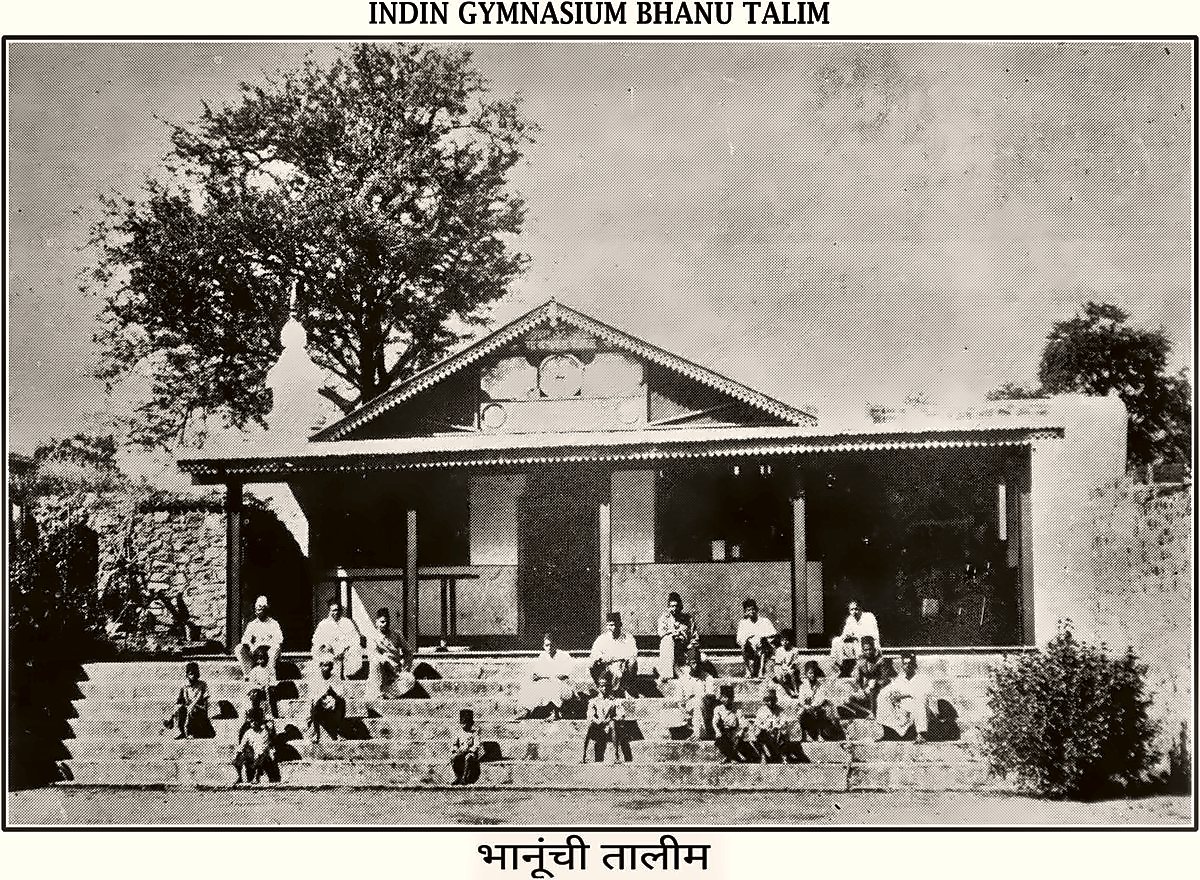
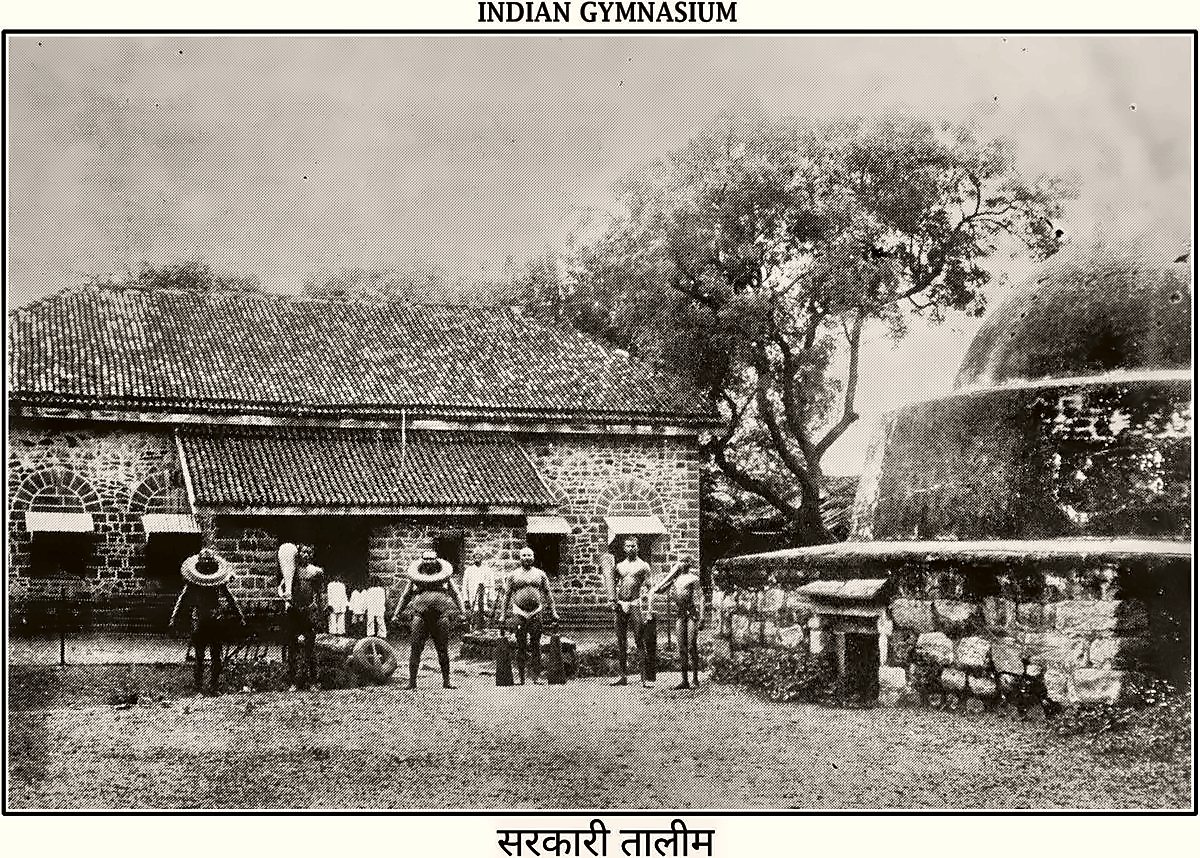
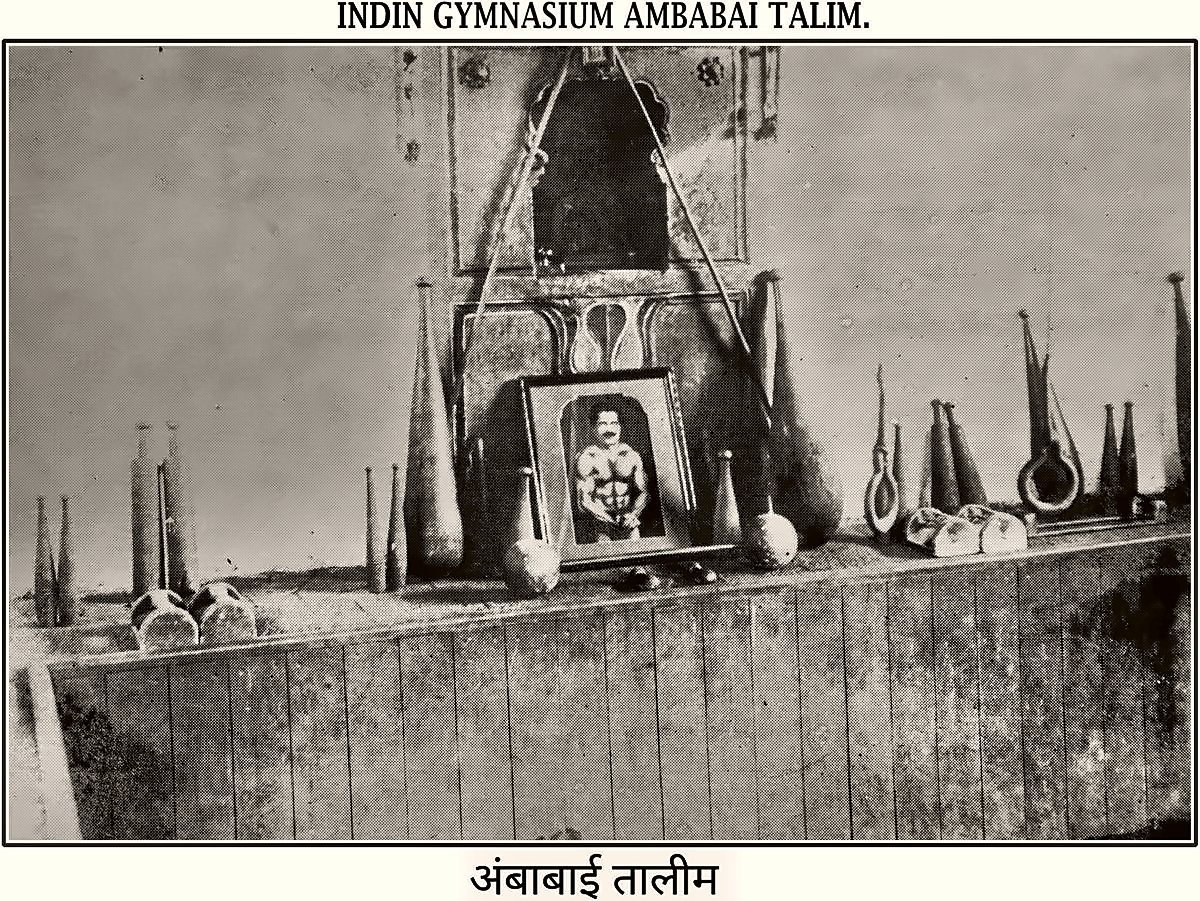
Founded the Ambabai and Bhanu Talims, wrote two volumes on wrestling and created the Surya Namaskar Jubilee Trust.
Education
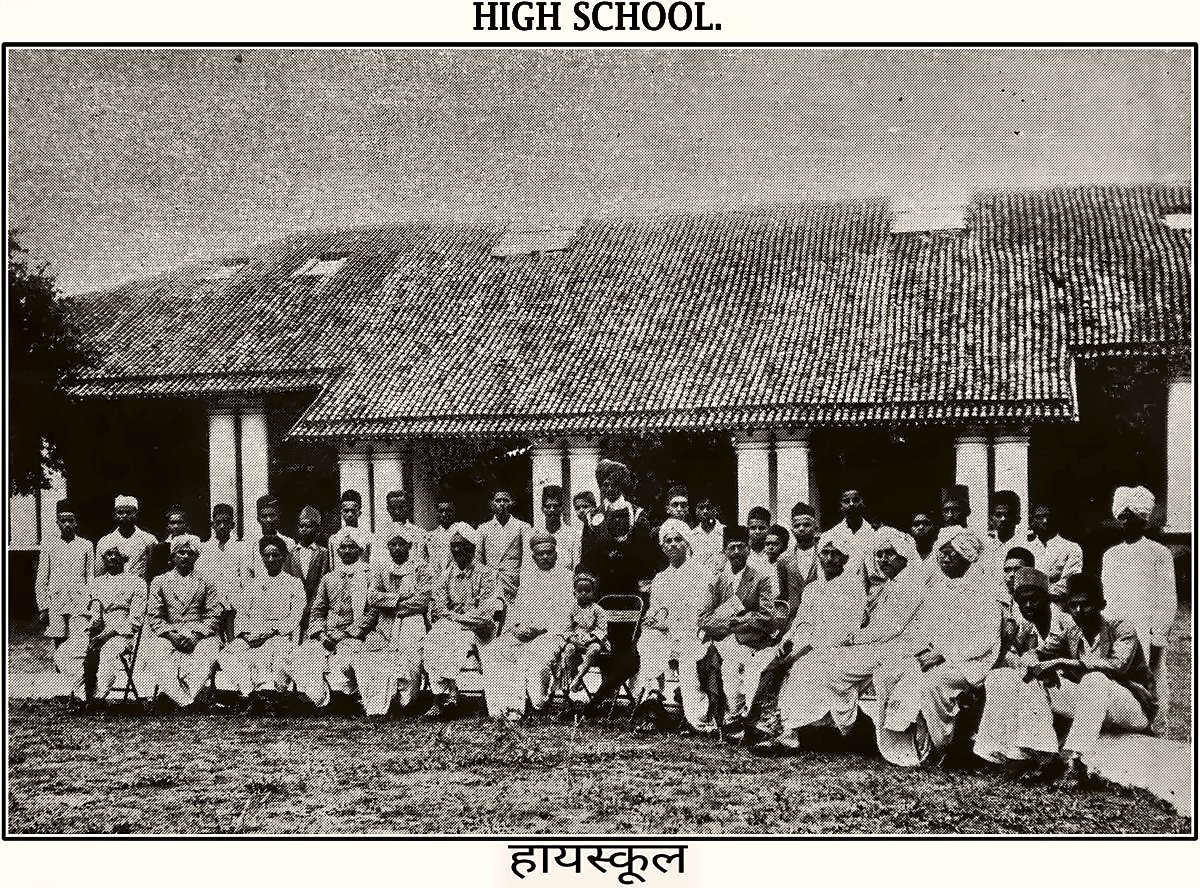
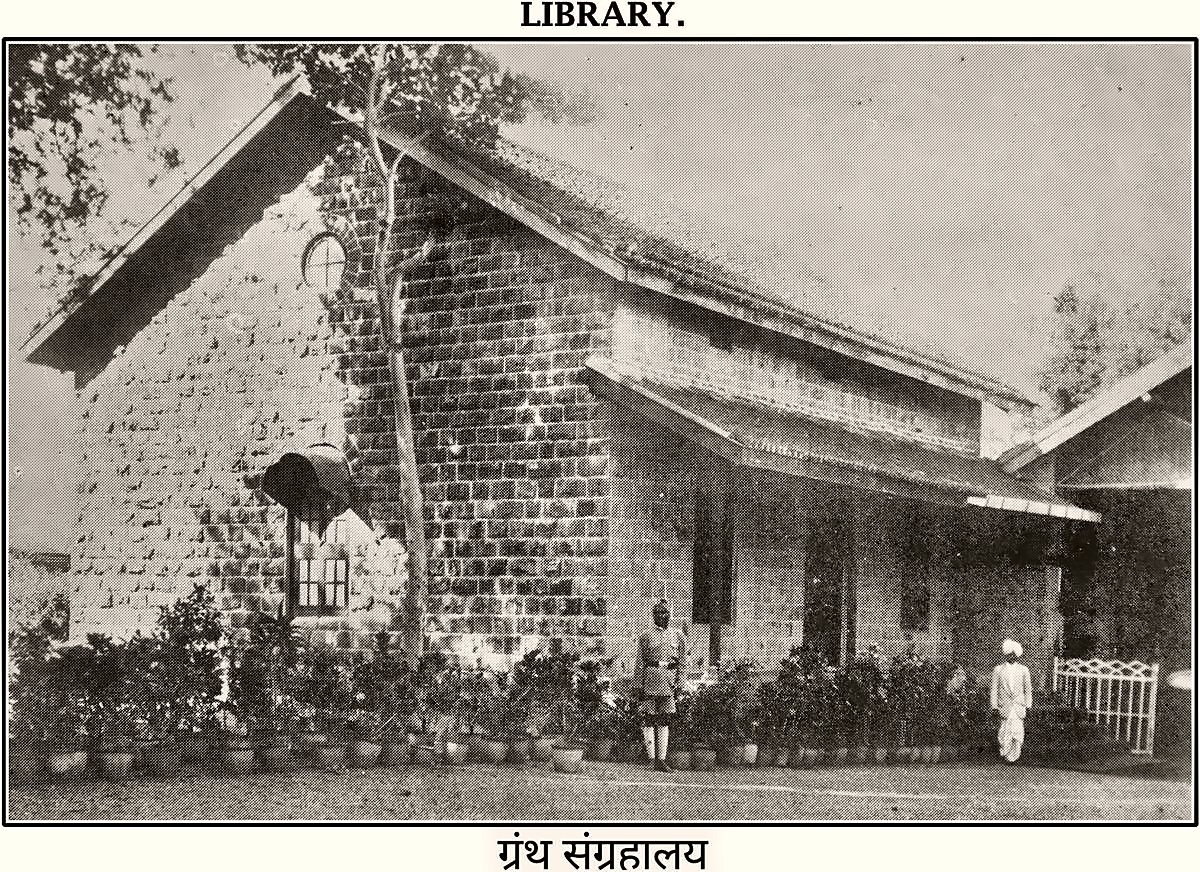
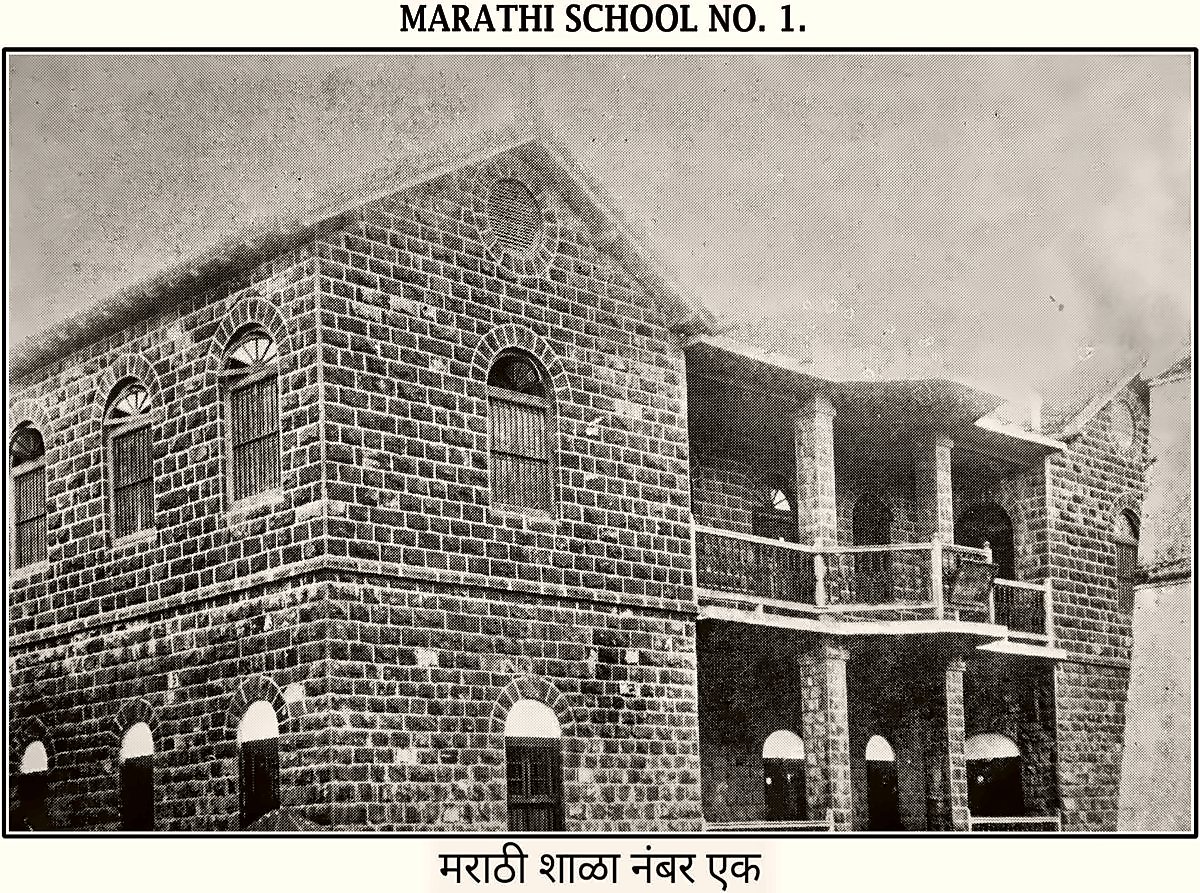
Founded Jubilee Kanya Shala, Miraj High School and the Jubilee Library; Vice-President of the Deccan Education Society; gave 5,000 books to Willingdon College.
Public works
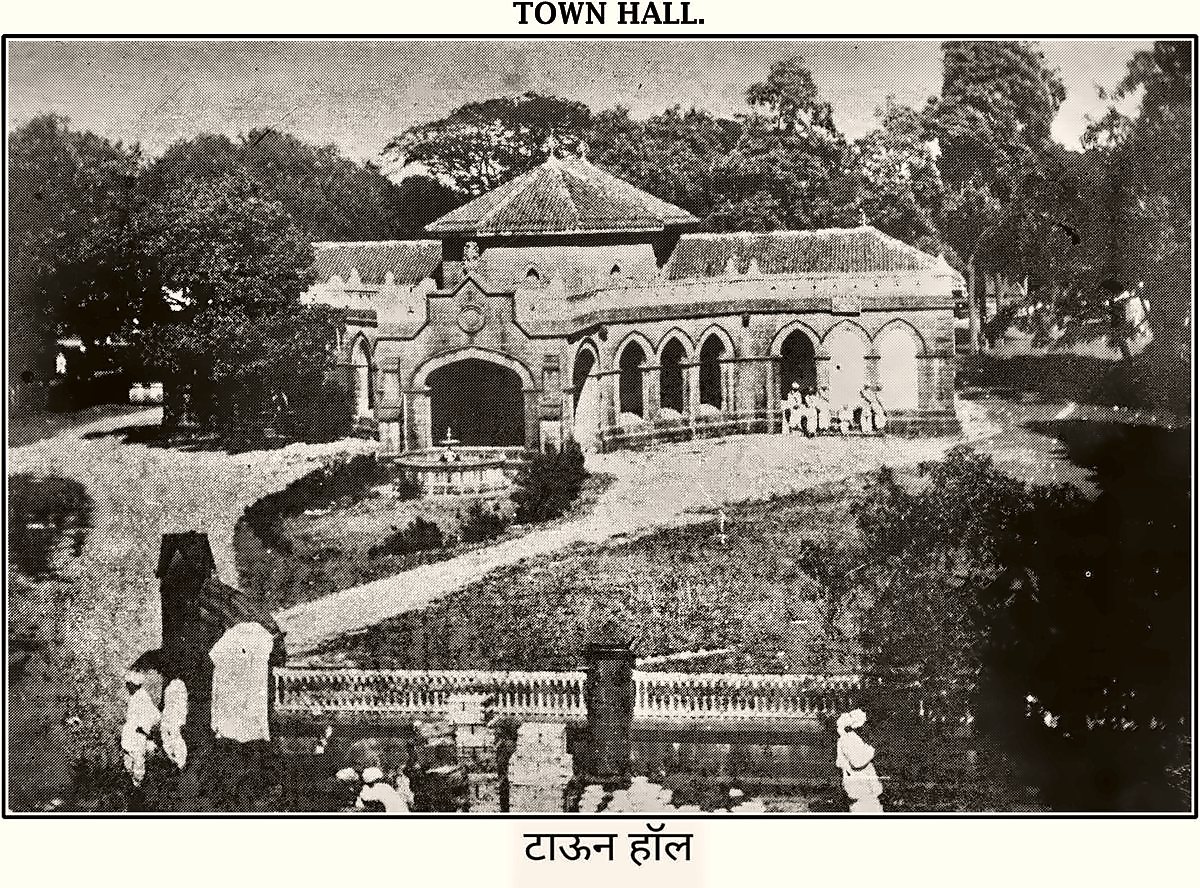
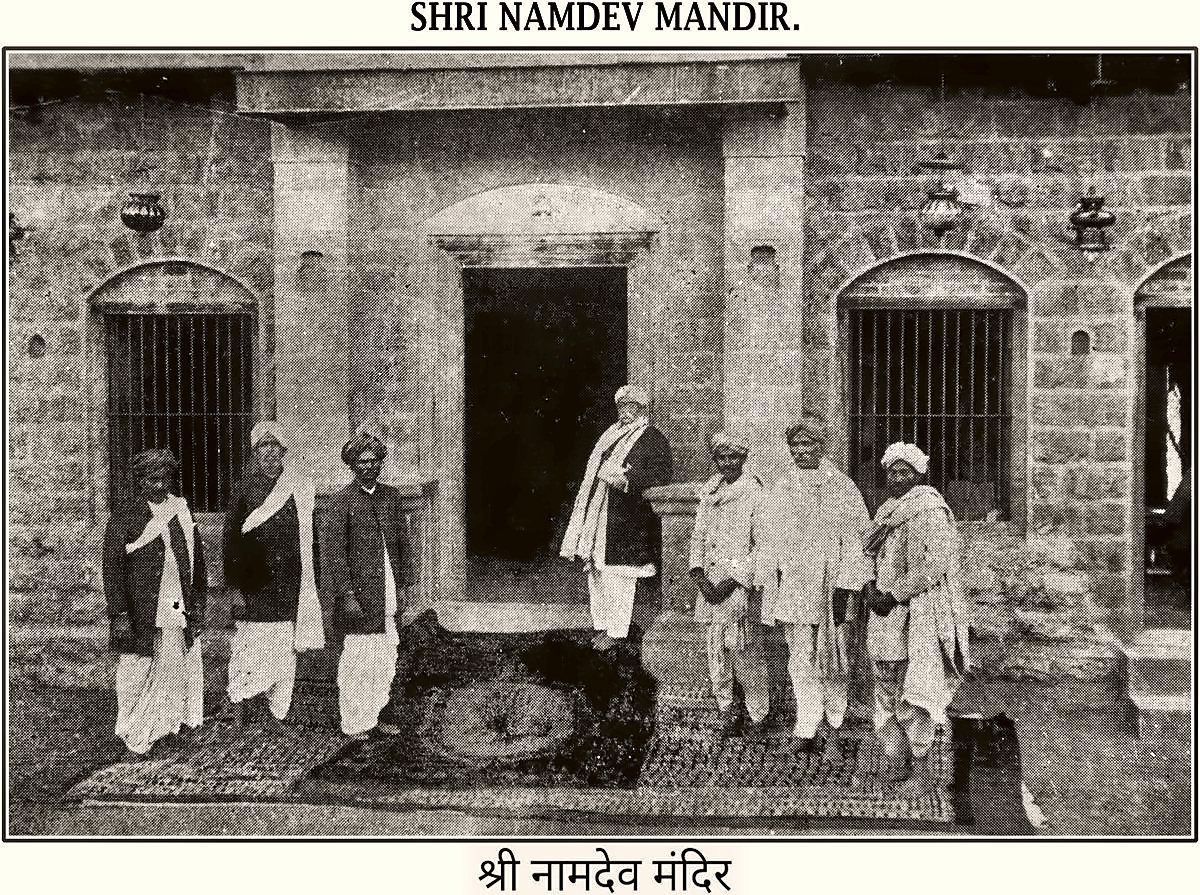
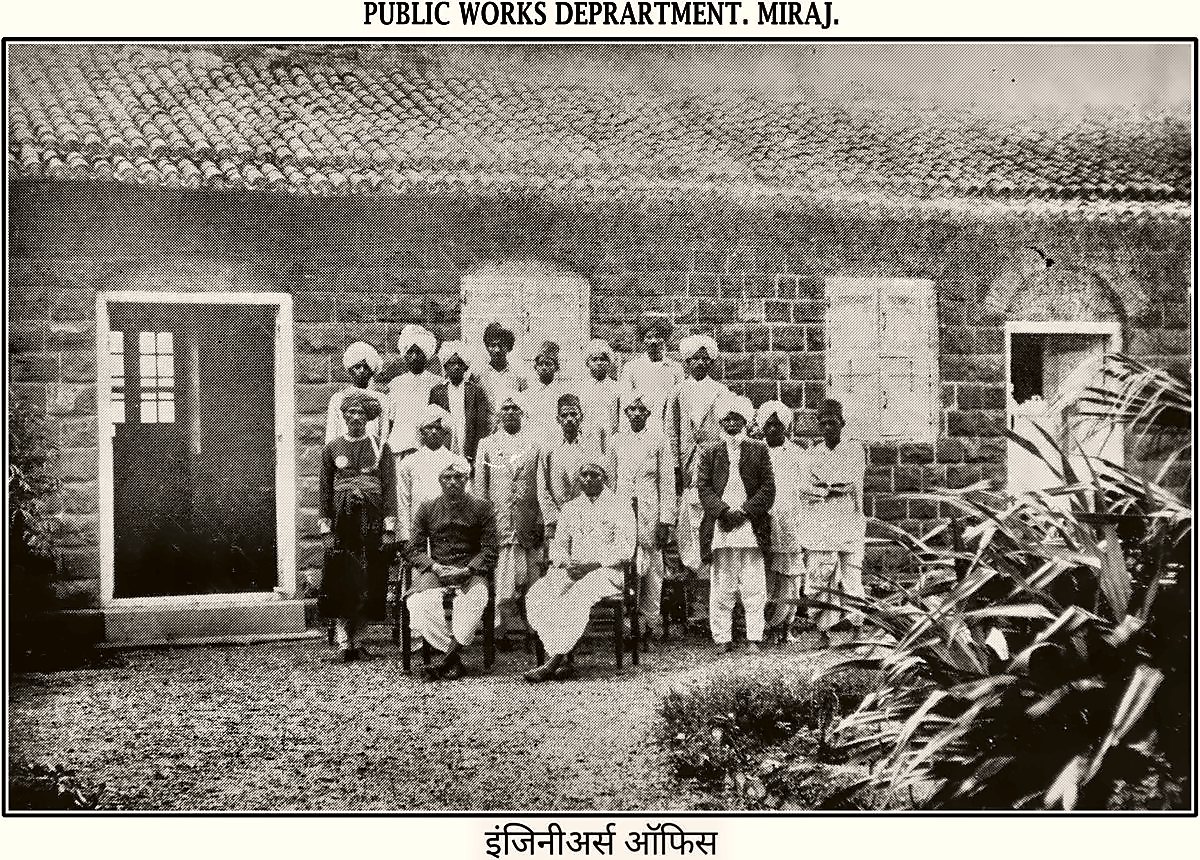
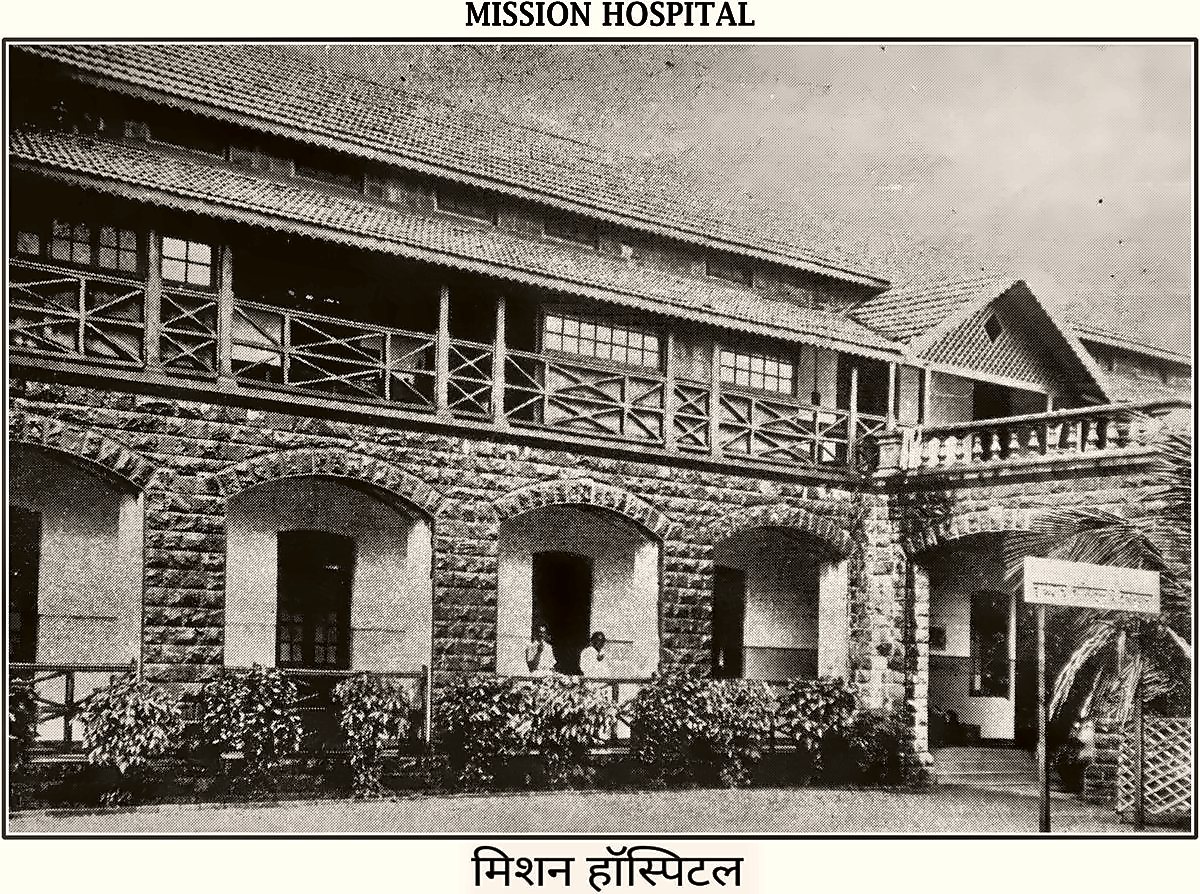
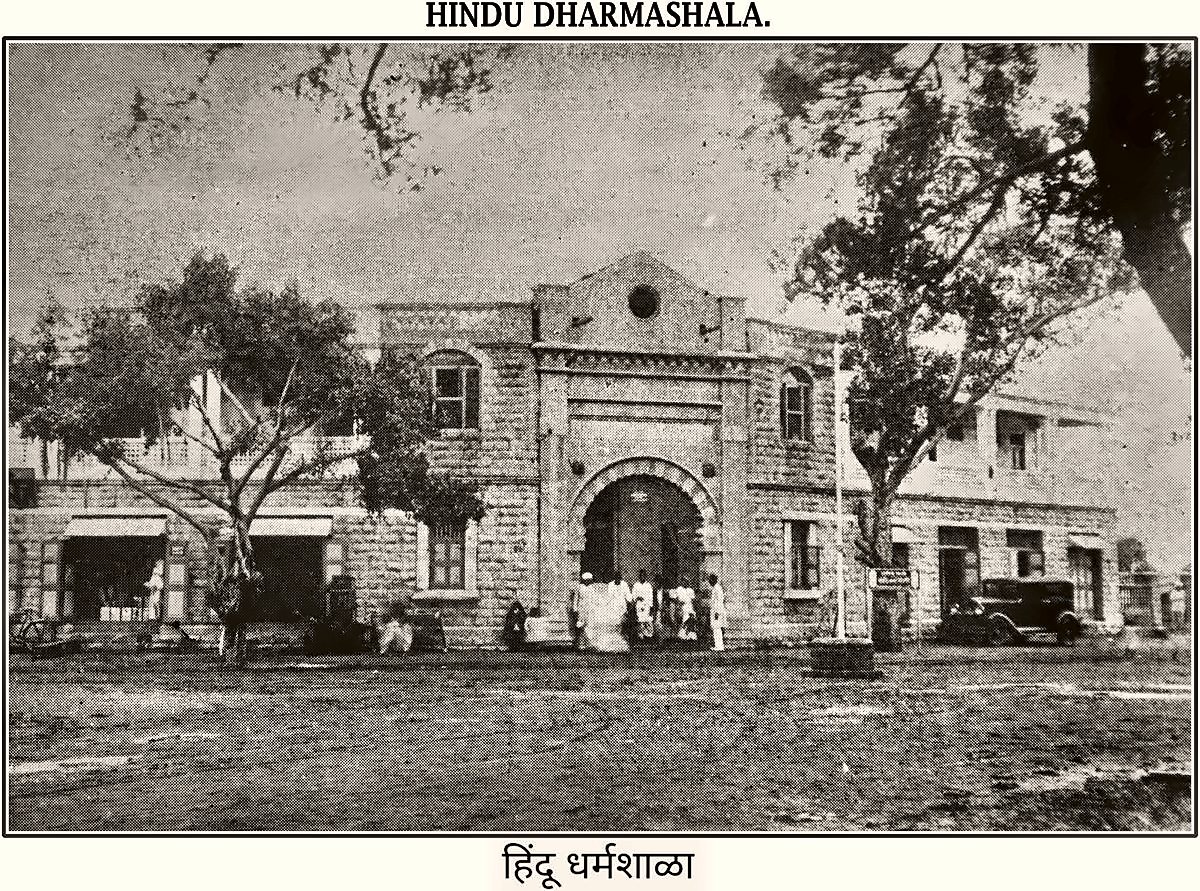
Built the Town Hall during a famine, the Tandul Market, the Hindu Dharmashala and Namdeo Mandir, and gave land for the Mission Hospital.
Industry
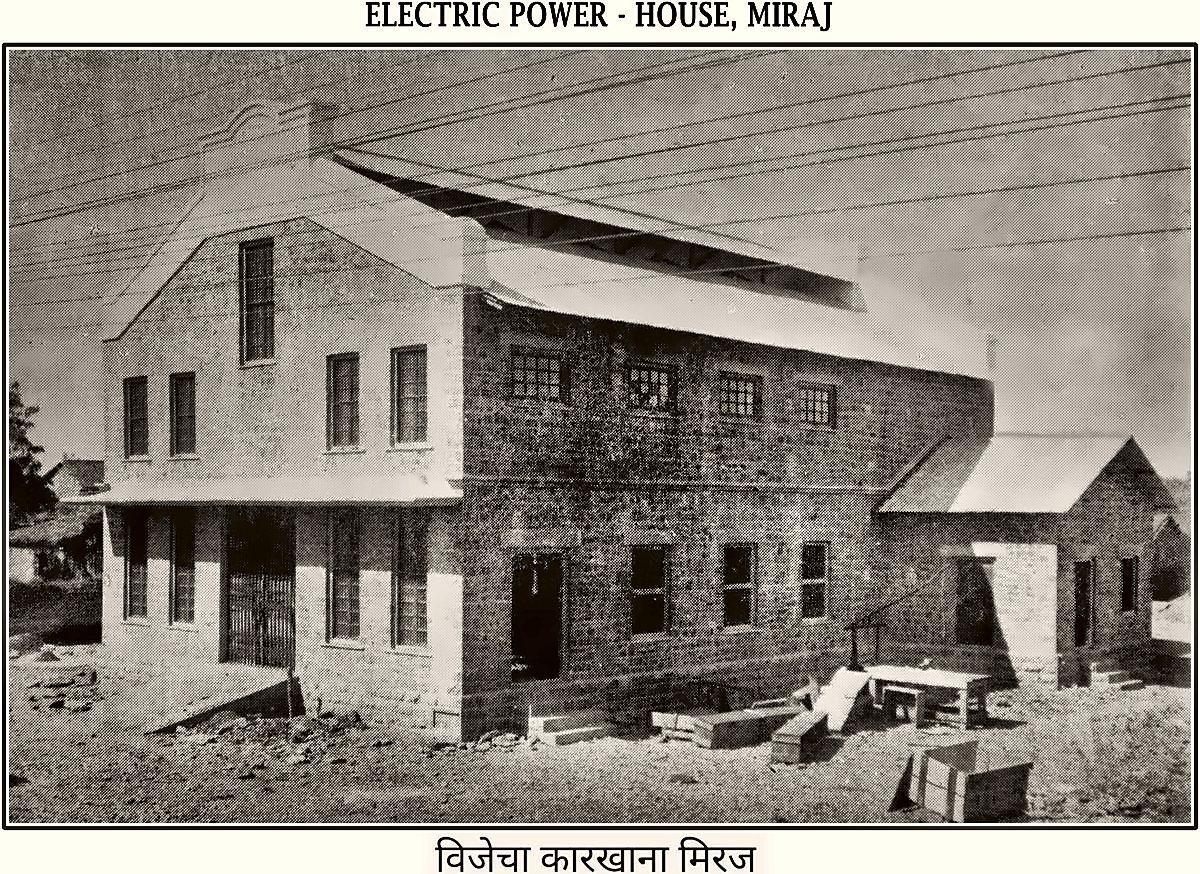
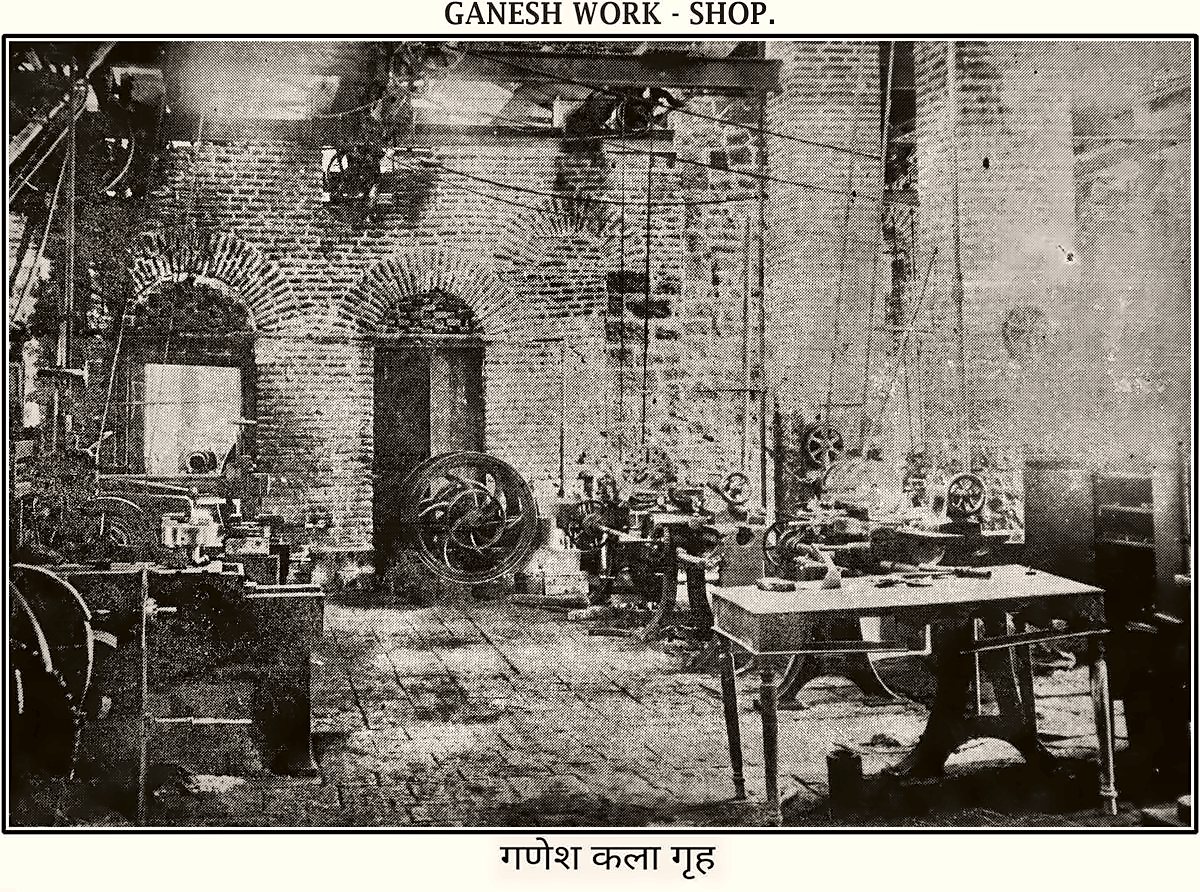
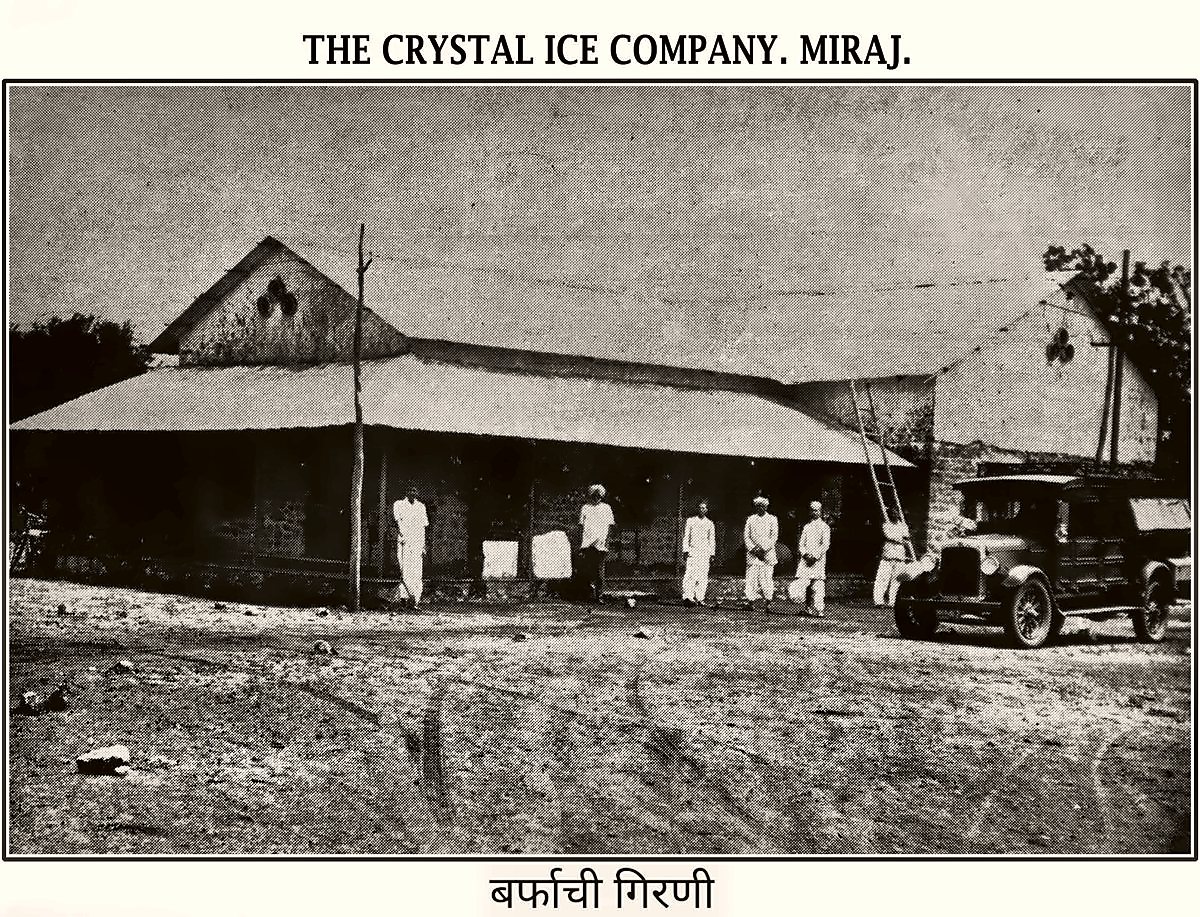
Brought electricity to Miraj through the Power House, and founded the Crystal Ice Factory and the Ganesh Kalagraha workshops.
History & letters
Commissioned Vasudev Shastri Khare’s fifteen volumes on Patwardhan history and presided over the Akhil Bharatiya Sahitya Sammelan in 1915.
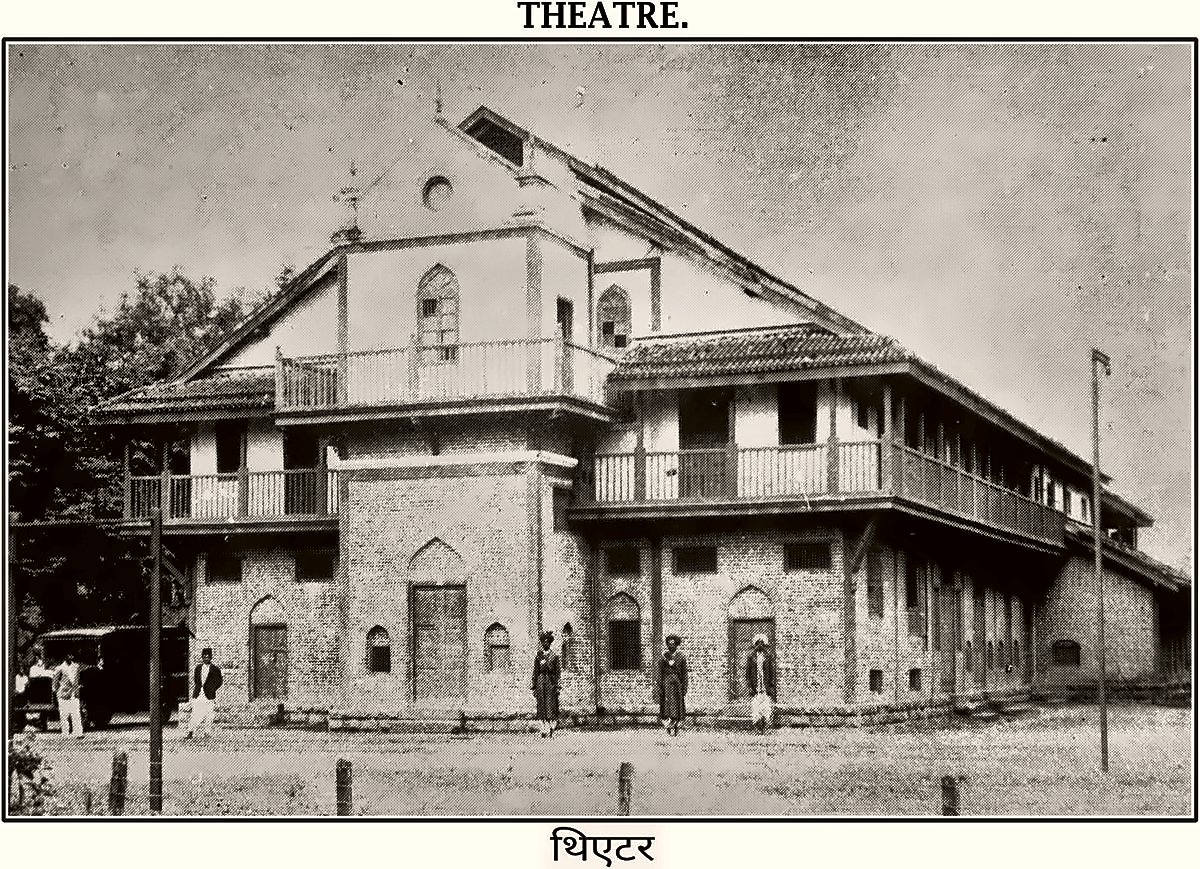
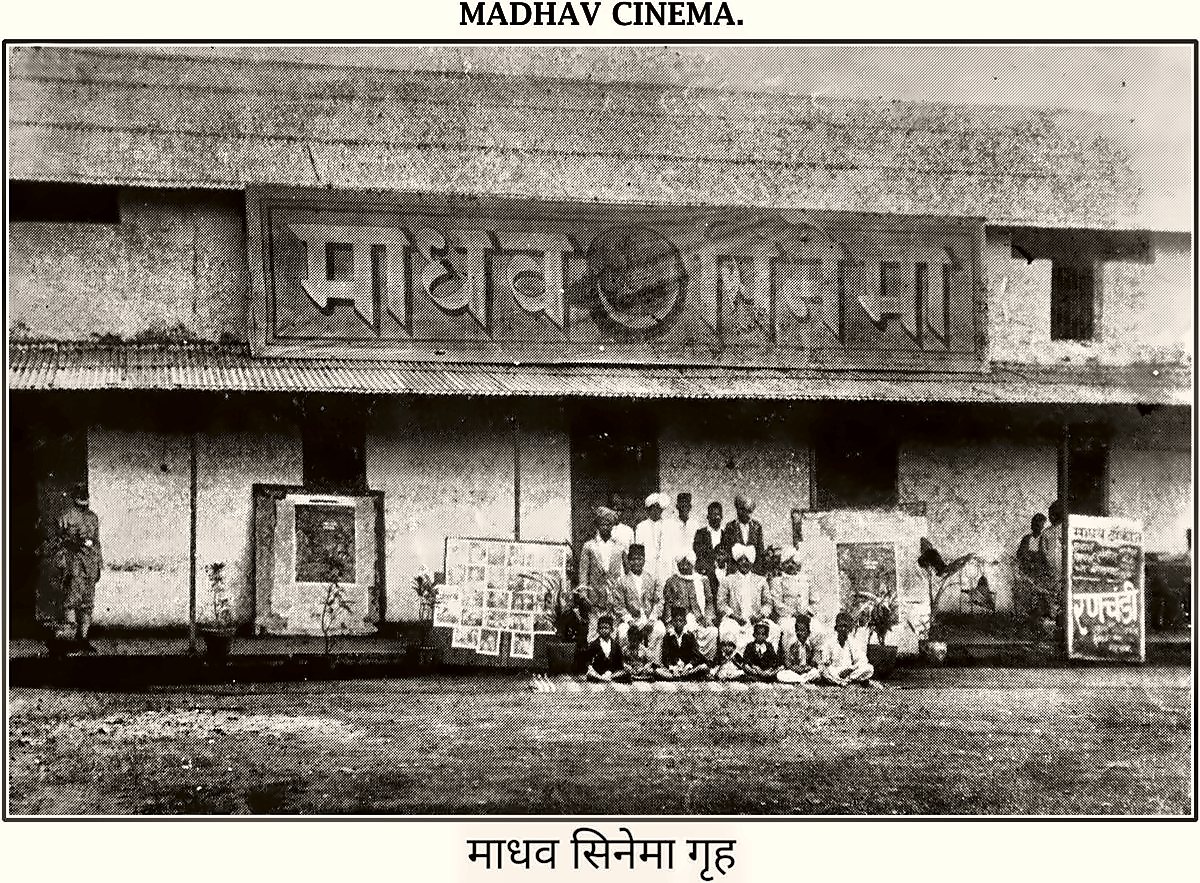
He also established Uma Vidyalaya at Modnimb in memory of his wife, Umabai Saheb, and built the Hansa Prabha Theatre in 1898, where Bal Gandharva gave his first performance in Miraj. He passed away at Miraj on 21 December 1939.
Chapter VII
The Last Ruler and the Merger of 1948
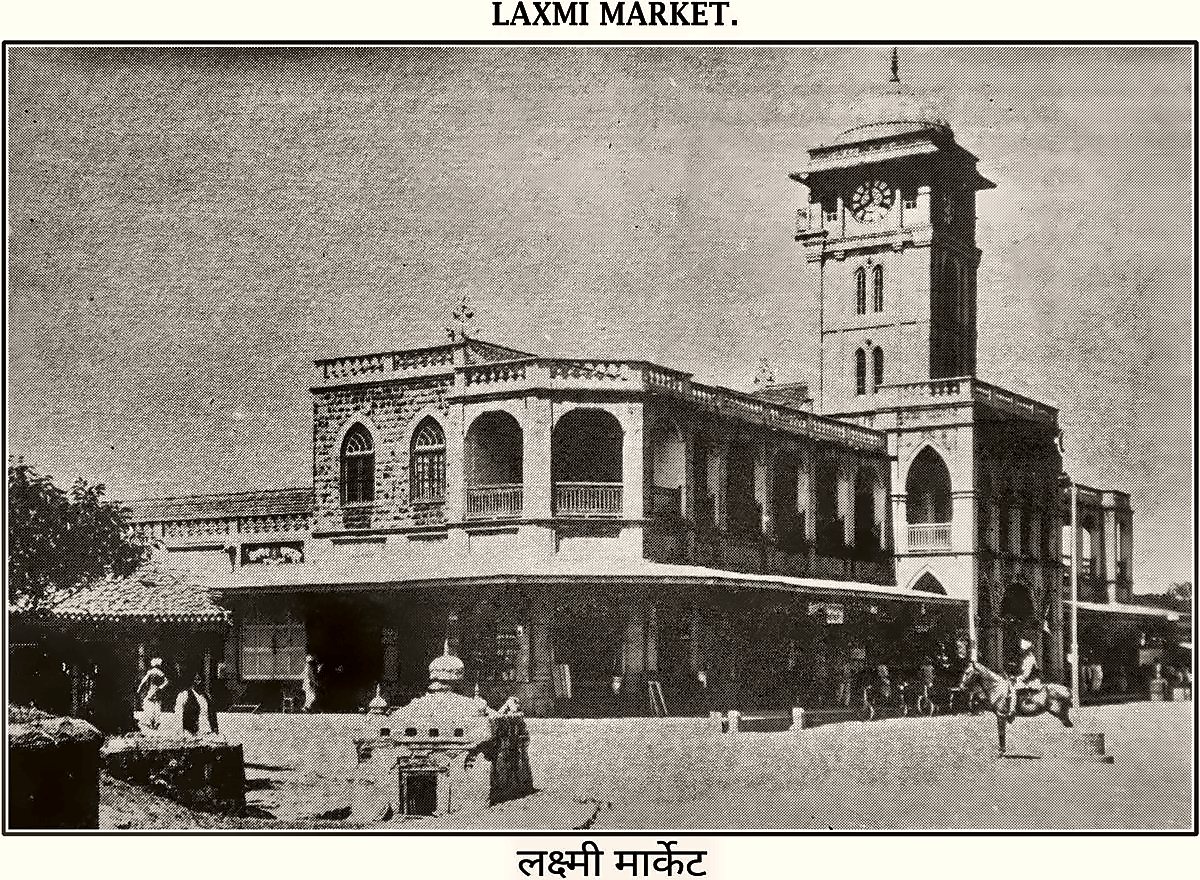
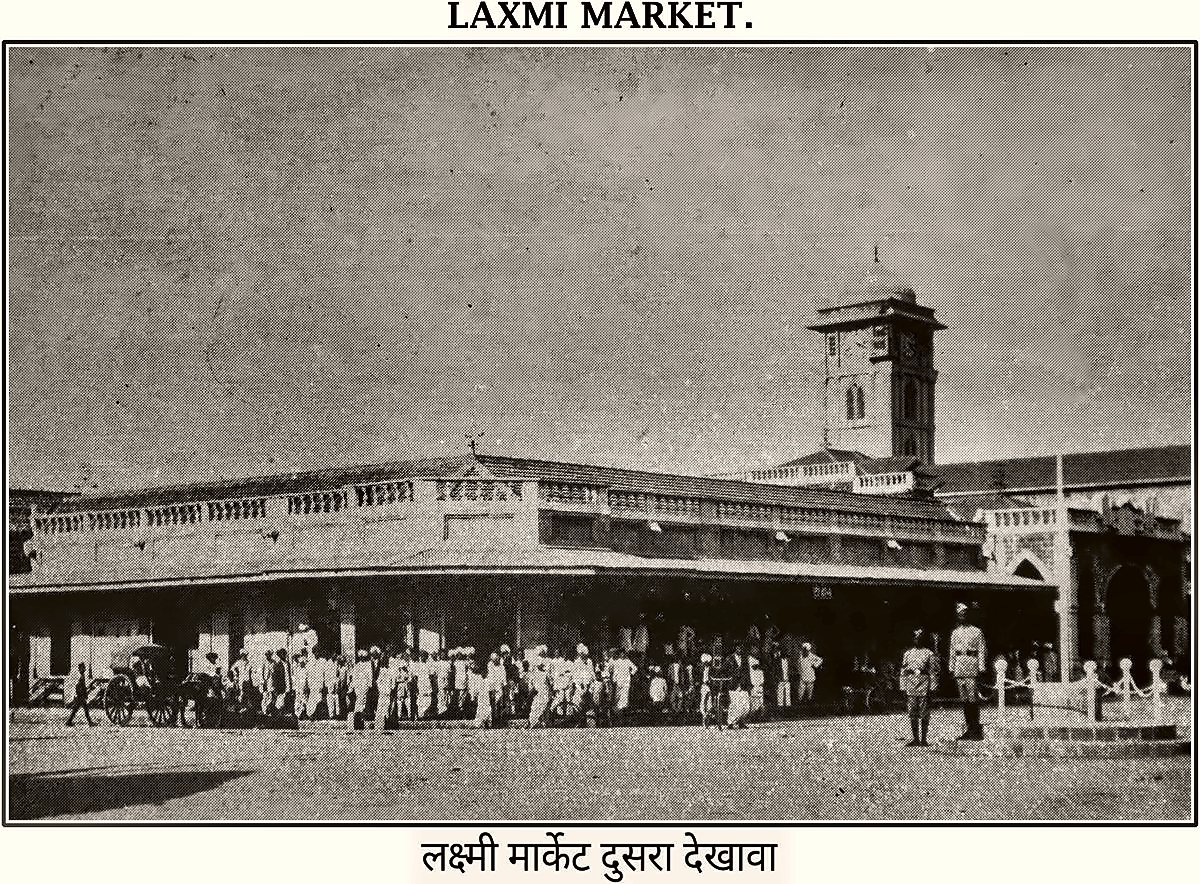
His Highness Shrimant Narayanrao Tatyasaheb Maharaj, born on 6 September 1898, succeeded his father in 1939. As Yuvaraj he had begun the Laxmi Market, an Indo-British building with a clock tower opened in 1932, and served with the Maratha Light Infantry, holding the King’s Commission.
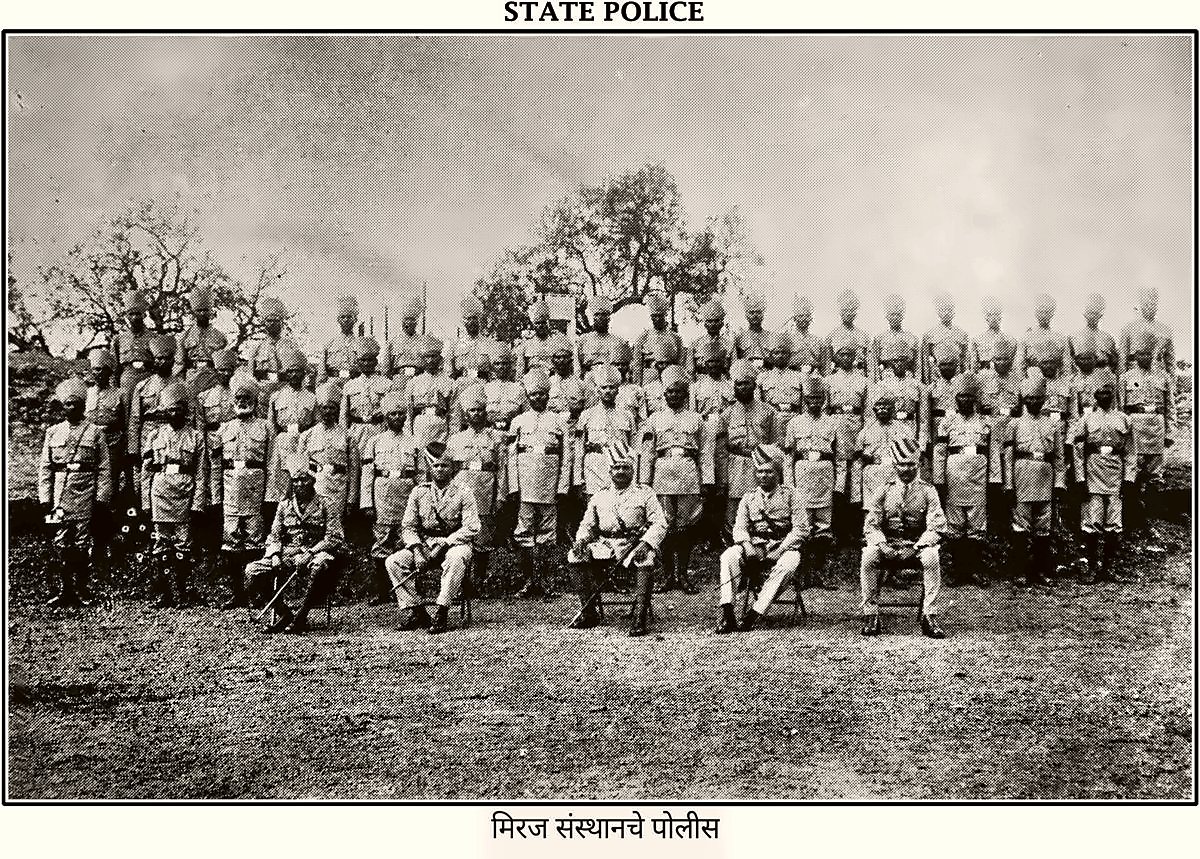
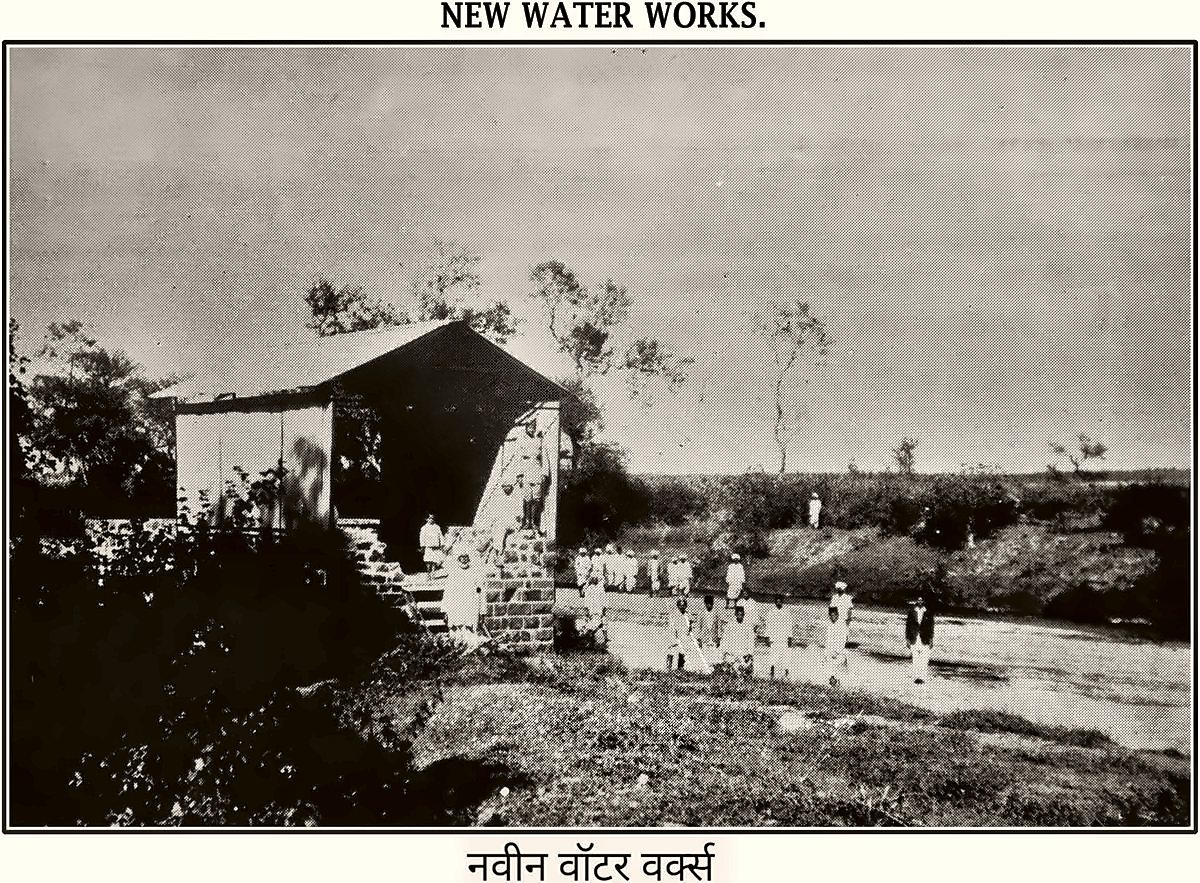
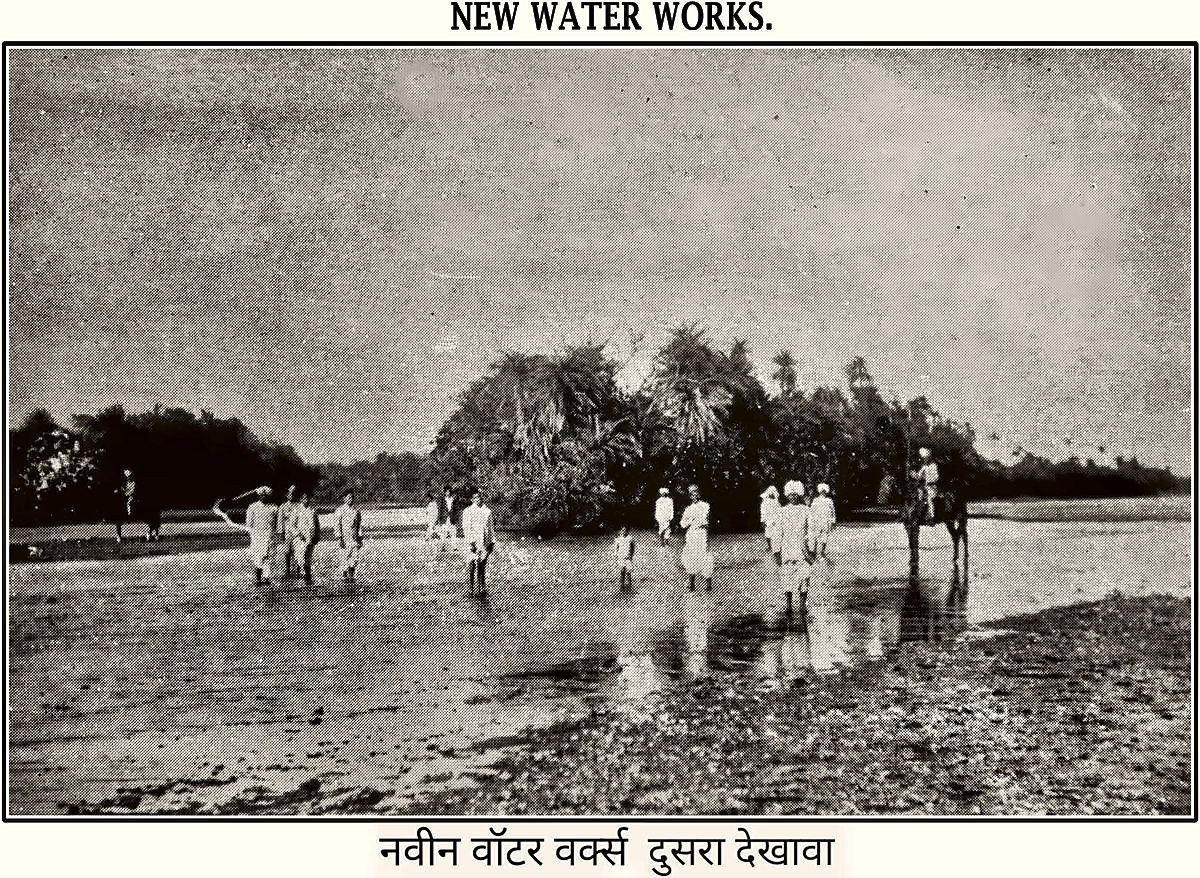
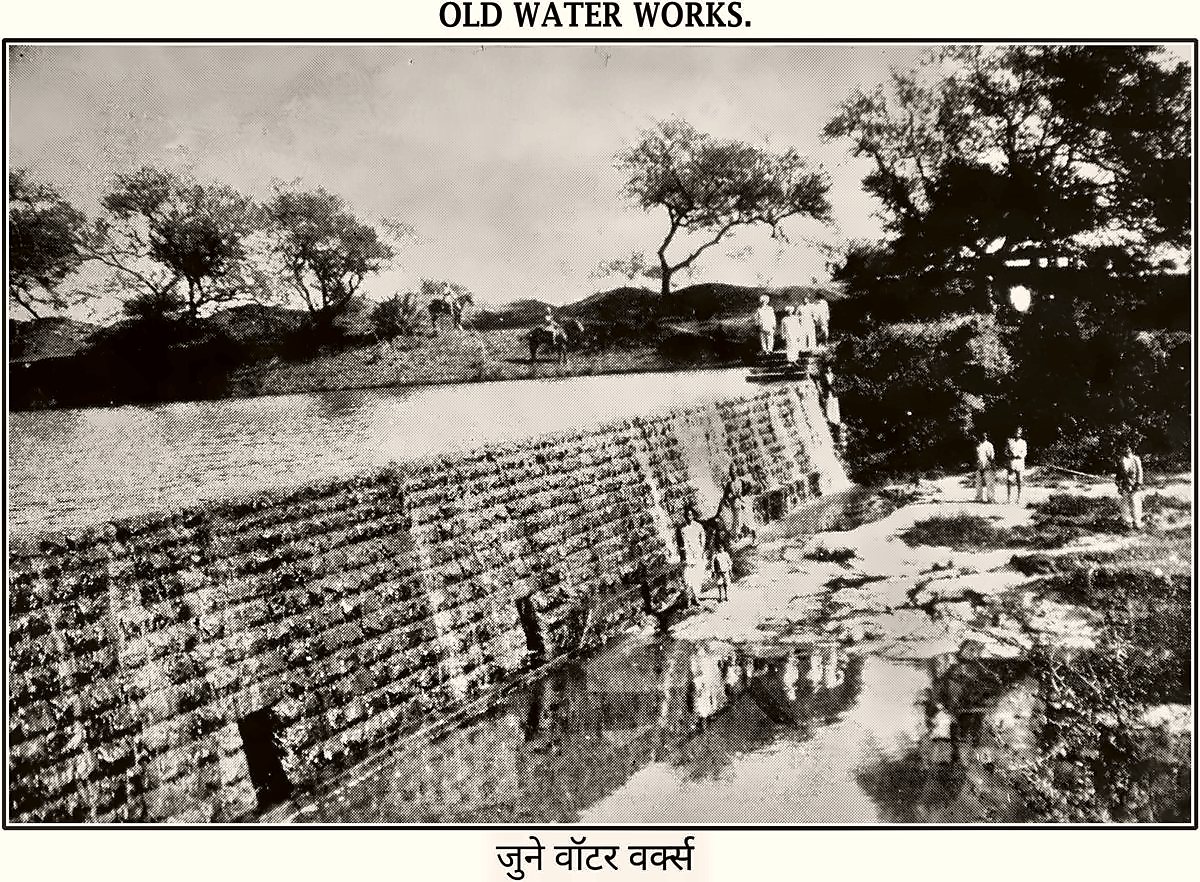
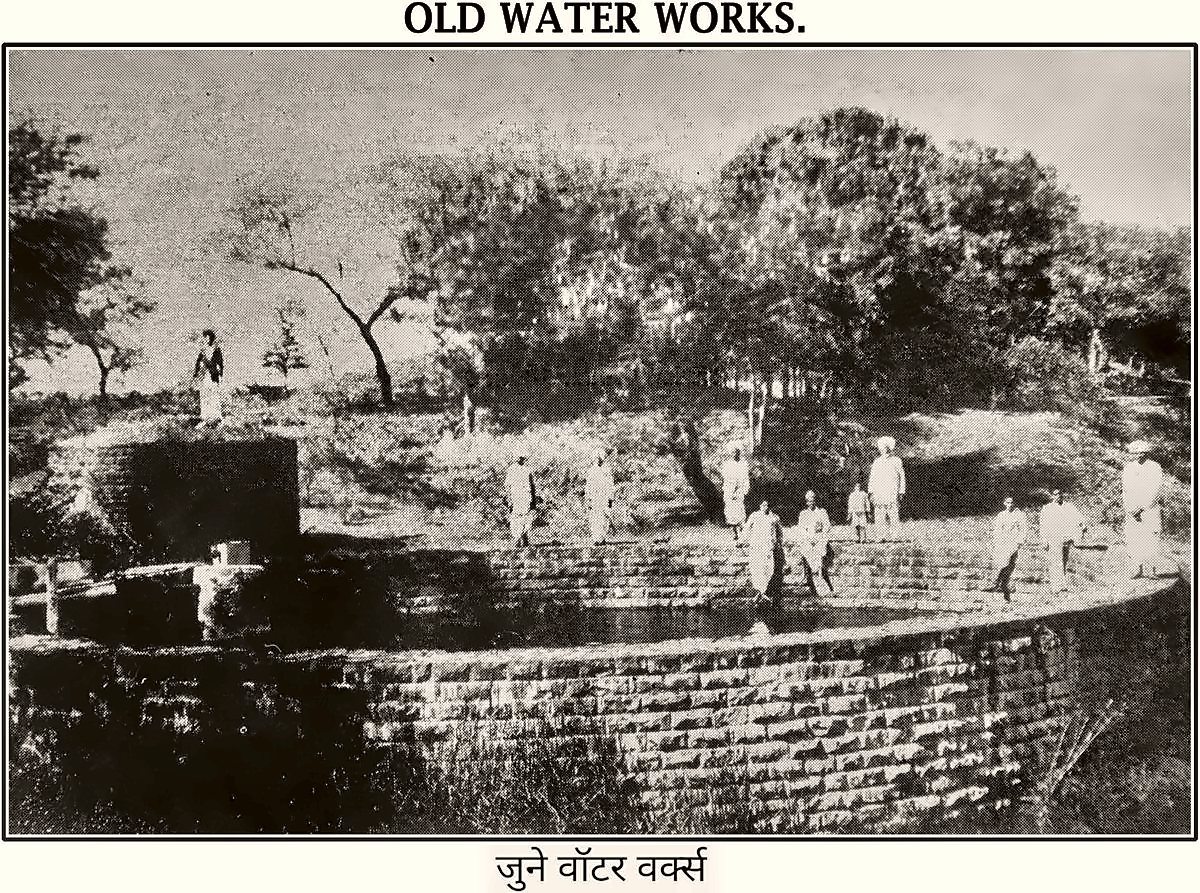
As Rajesaheb he was appointed to the Chamber of Princes in 1941, supported the Miraj State Bank, encouraged new industry, built the Gangadharrao Balasaheb Water Works in 1946 and reformed the State’s schools and police.
On 8 March 1948 the Miraj State merged into the Indian Union. It then covered about 342 square miles across the talukas of Miraj, Laxmeshwar and Modnimb, with five Nagar Parishads. His Highness withdrew from public life, devoting himself to spiritual study, writing, natural history and travel, and passed away on 31 October 1984.
At a glance
Timeline
- 1058
Silahara copper plates name Gonka as conqueror of Mairinja (Miraj).
- 1347
Hasan, founder of the Bahamani dynasty, captures Miraj Fort.
- 1660
Chhatrapati Shivaji Maharaj besieges Miraj Fort.
- 1739
Chhatrapati Shahu Maharaj captures Miraj from the Mughals.
- c.1750
Haribhat Baba, mul-purush of the Patwardhans, dies in Pune.
- 1760
Gopalrao Patwardhan takes Daulatabad fort after the Battle of Udgir.
- 1761
Peshwa Madhavrao grants Miraj Fort to Govind Hari Patwardhan.
- 1763
Miraj surrenders to Raghunathrao after a month-long siege; it is later restored to the family.
- 1771
Battle of Moti Talav against Hyder Ali; deaths of Gopalrao and Govind Hari.
- 1795
Parshuram Bhau leads the Maratha army to victory at Kharda.
- 1801
Chintamanrao founds Sangli, the first division of the Jagir.
- 1805
Gangadharrao I prints the Bhagavad Gita from copper blocks at Miraj.
- 1812
Treaty of Pandharpur; recognised in 1817, followed by treaties with the East India Company in 1819.
- 1887
His Highness Shrimant Sir Gangadharrao Balasaheb takes charge of the State’s administration.
- 1939
His Highness Shrimant Narayanrao Tatyasaheb Maharaj succeeds to the Gadi.
- 1948
Miraj State merges into the Indian Union on 8 March.
Read more
Articles
Closer looks at moments in the family’s history, drawn from the family’s records and Dr. Uday S. Kulkarni’s writing.
The Siege of Miraj, 1762–63
How the Patwardhans stood by the young Peshwa Madhavrao, and what it cost them.
Read →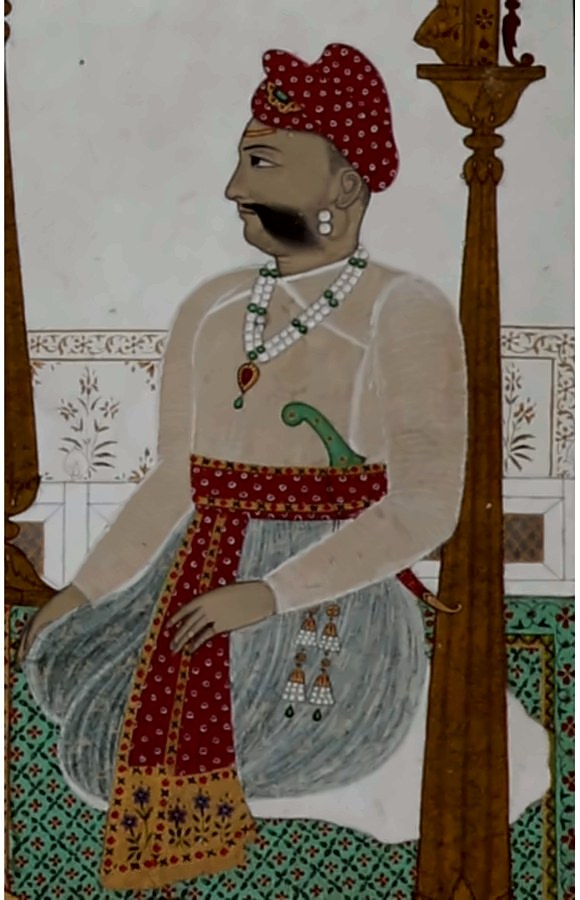
Gopalrao: The Only “Rao” of Miraj
The eldest son of Govind Hari, and one of the great captains of the Maratha Empire.
Read →A Gita Printed at Miraj, 1805
Shrimant Gangadharrao Govind and the early printing of the Bhagavad Gita.
Read →Music, Wrestling and Learning
Miraj under His Highness Shrimant Sir Gangadharrao Balasaheb, 1887–1939.
Read →From the Miraj State Album
Photo Archive
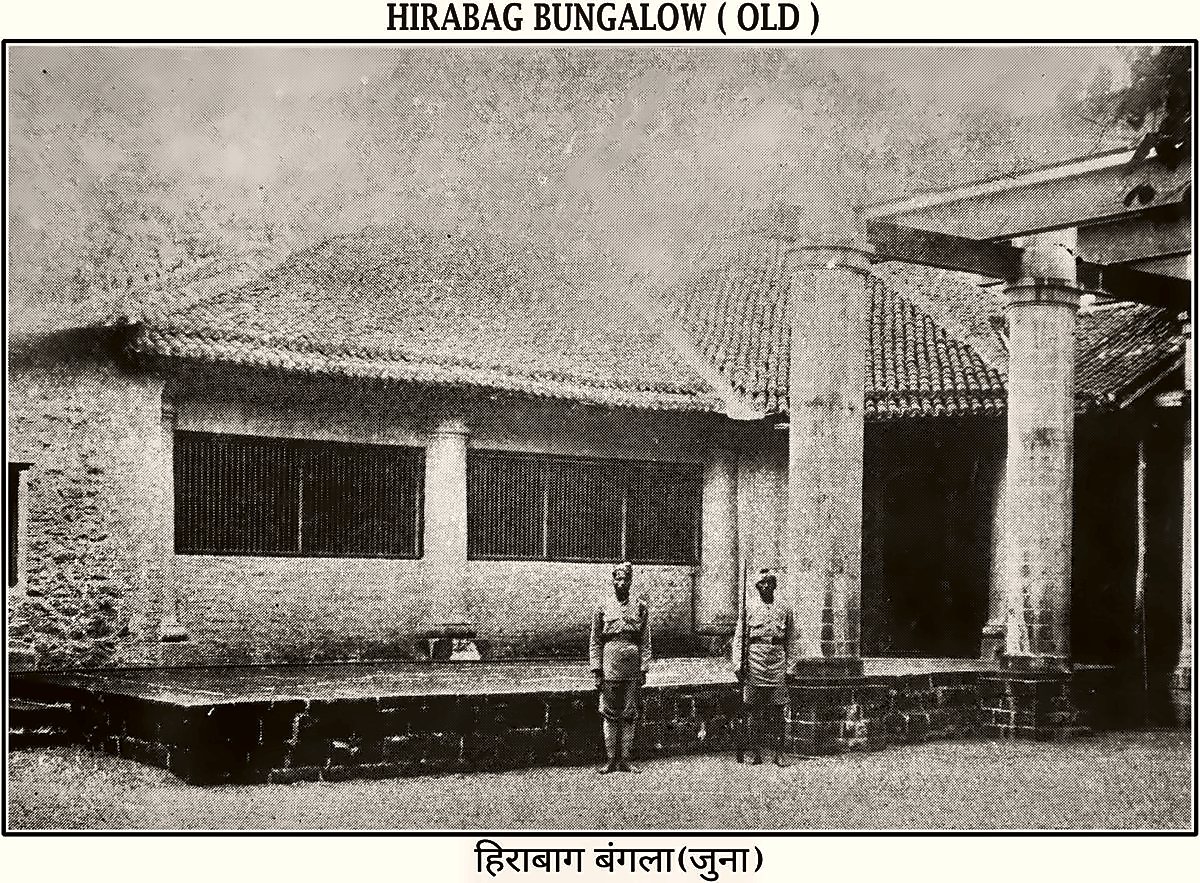
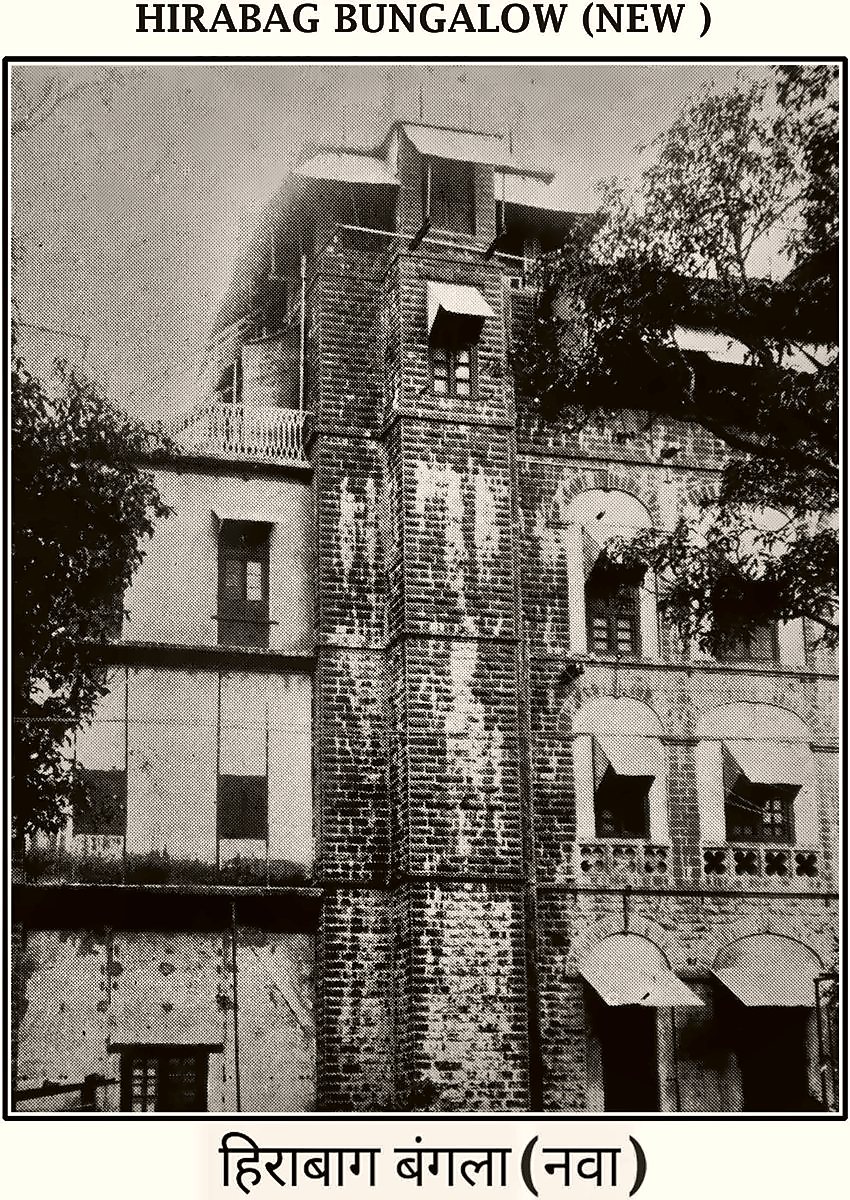
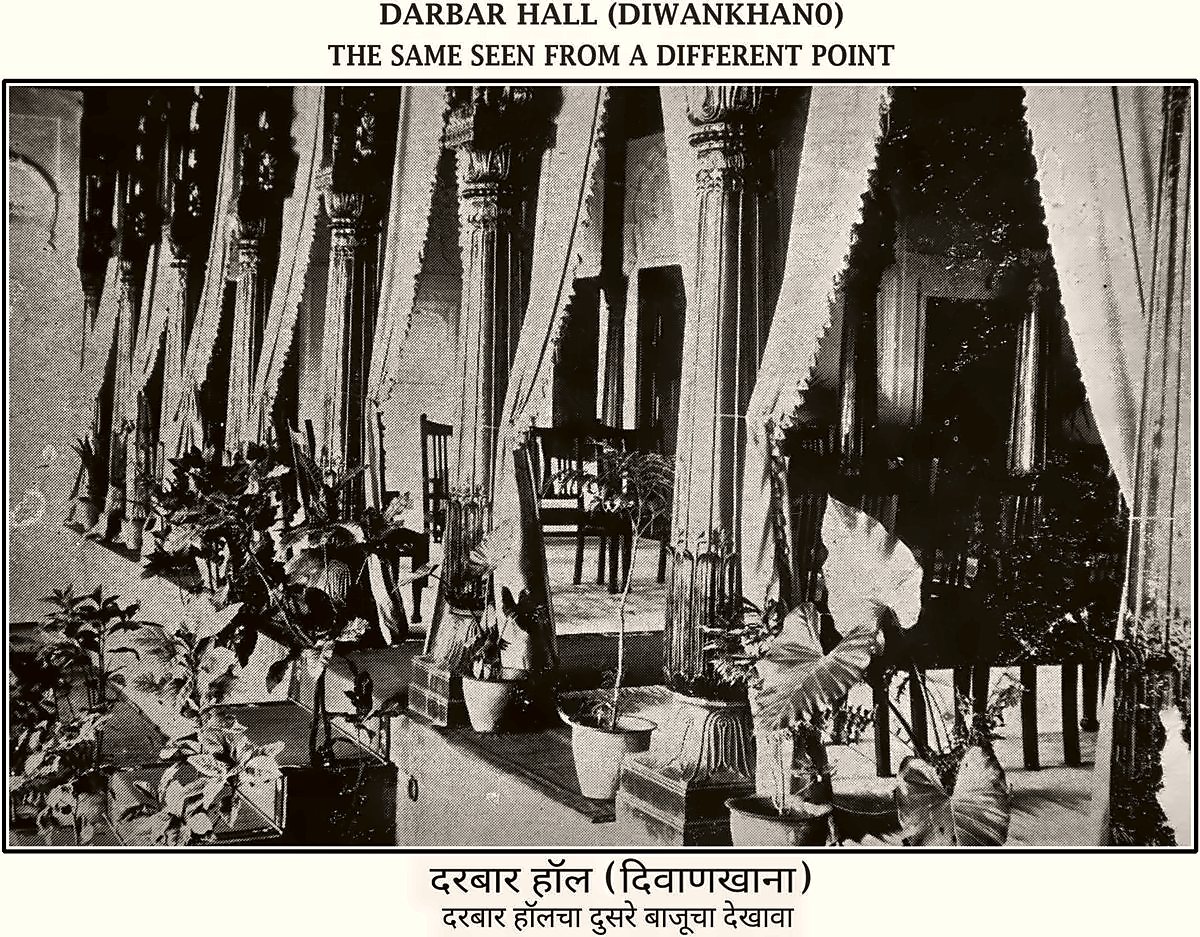
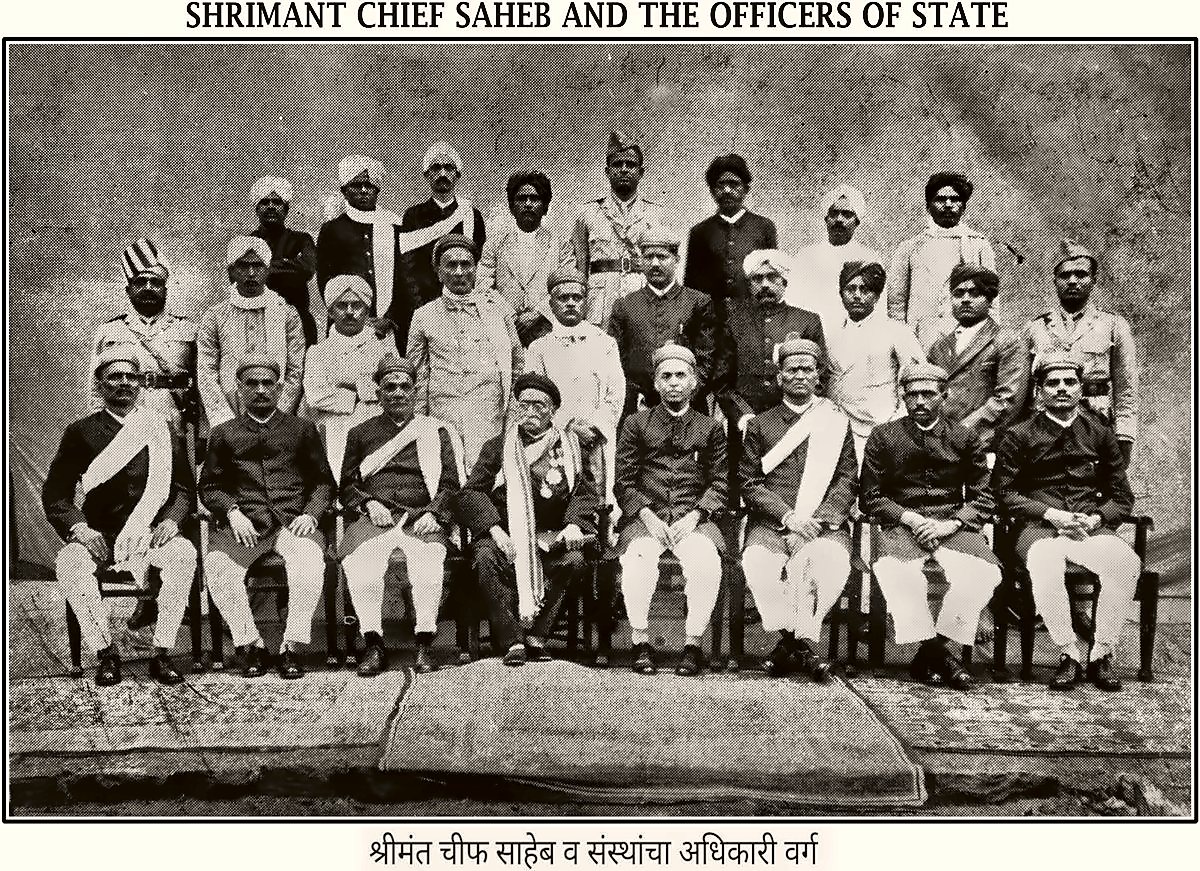
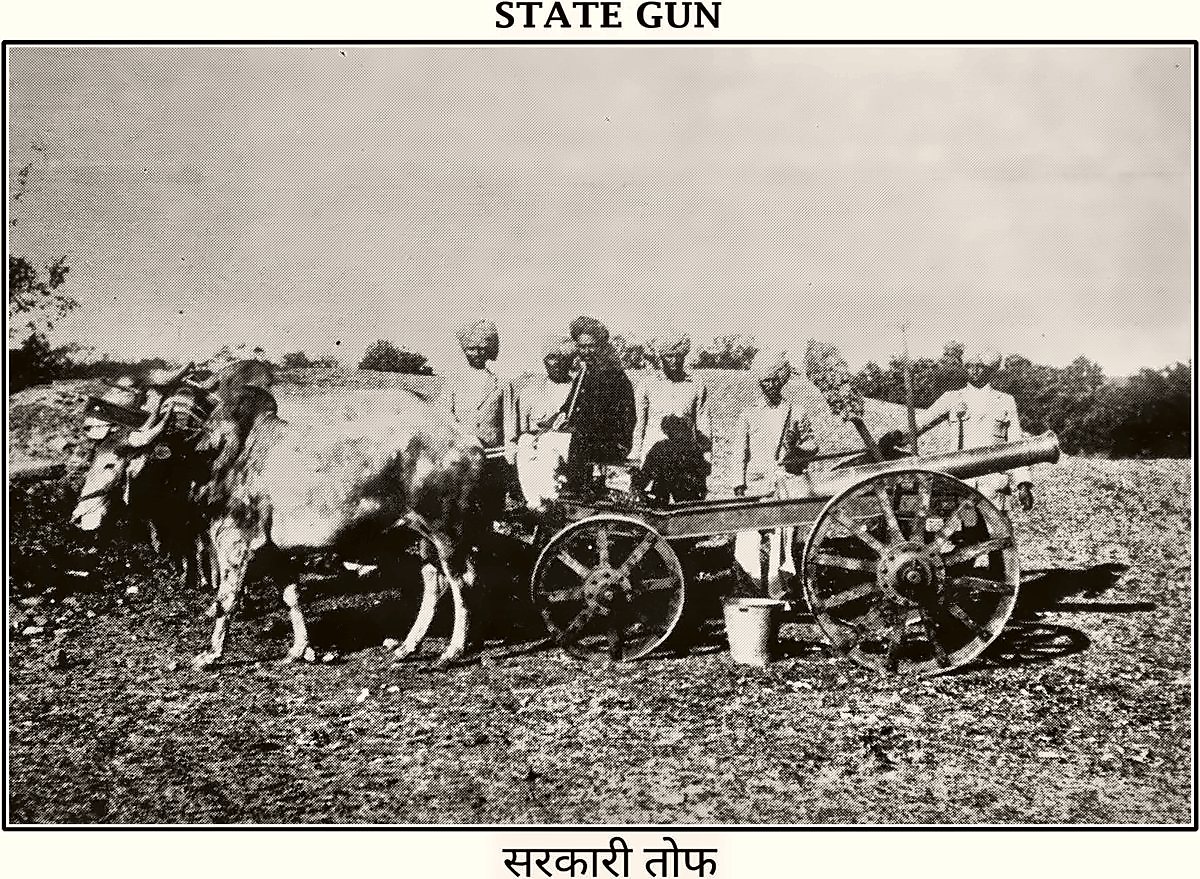
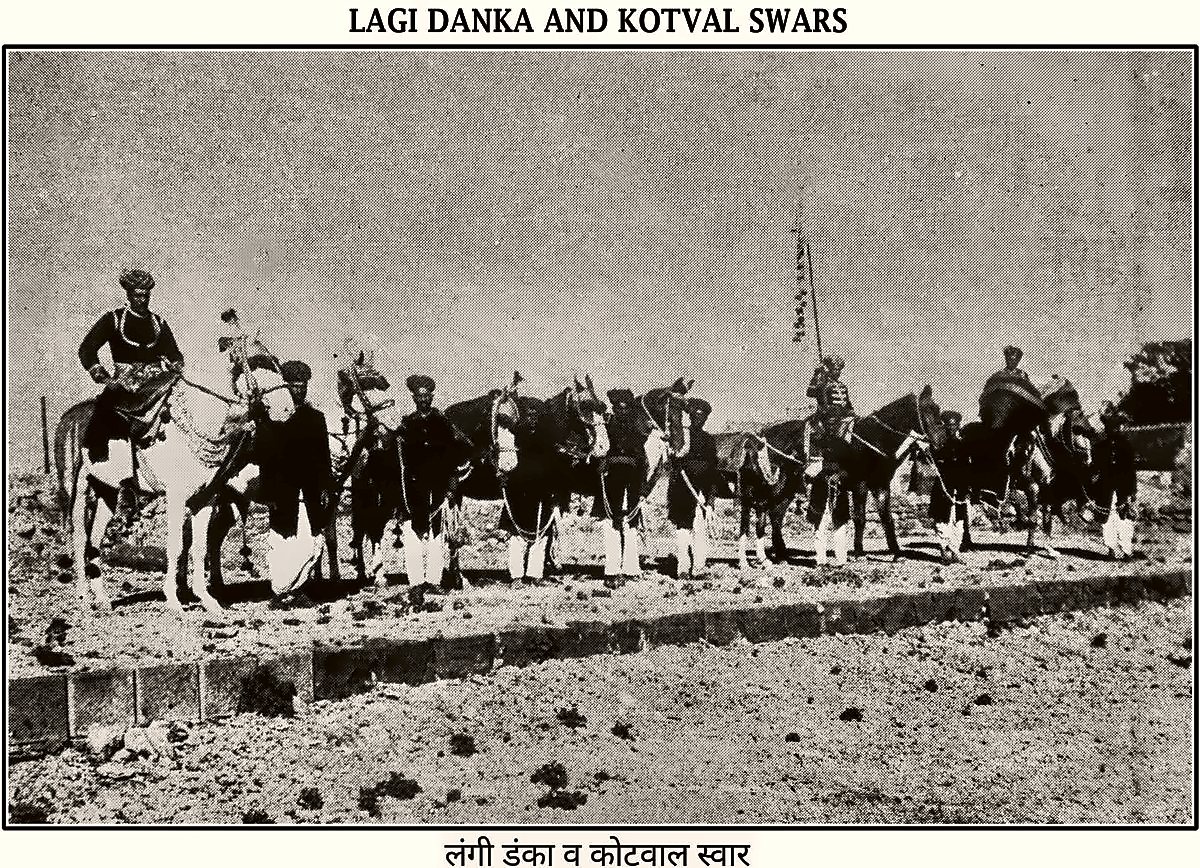
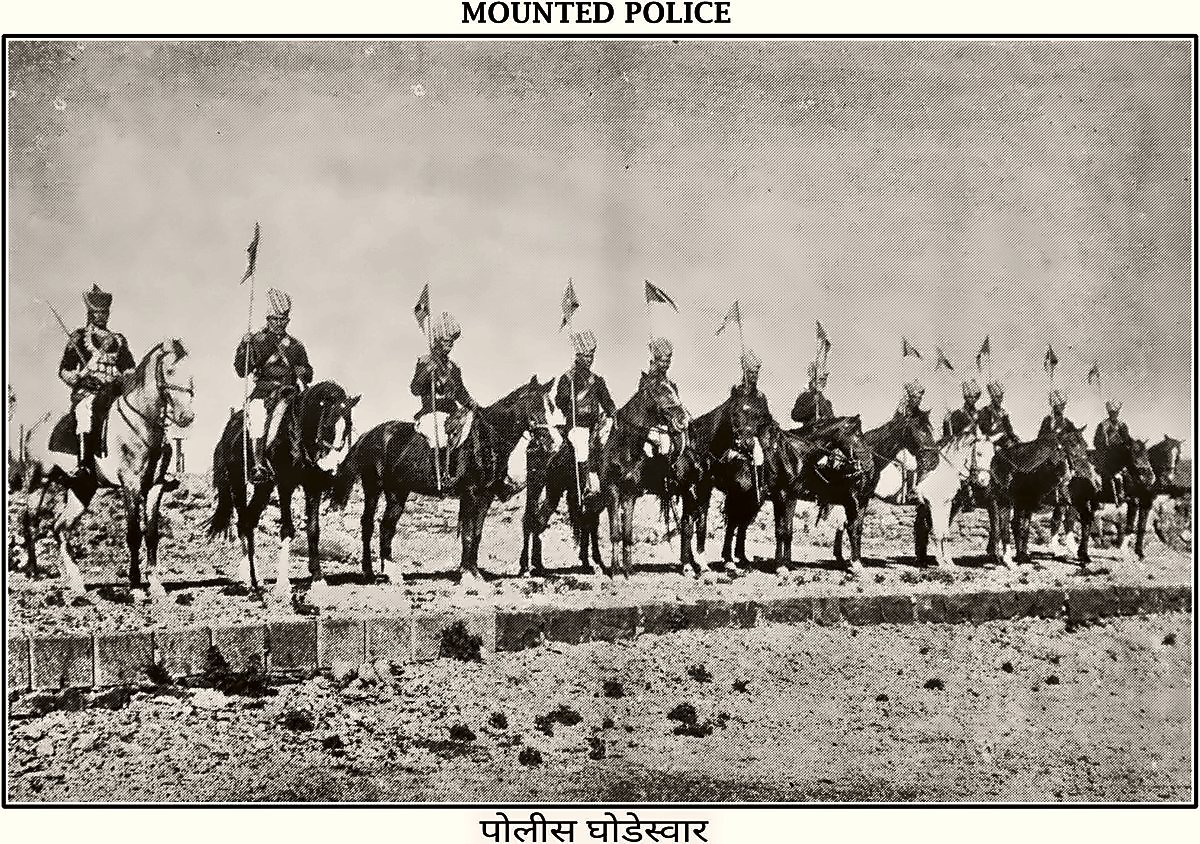
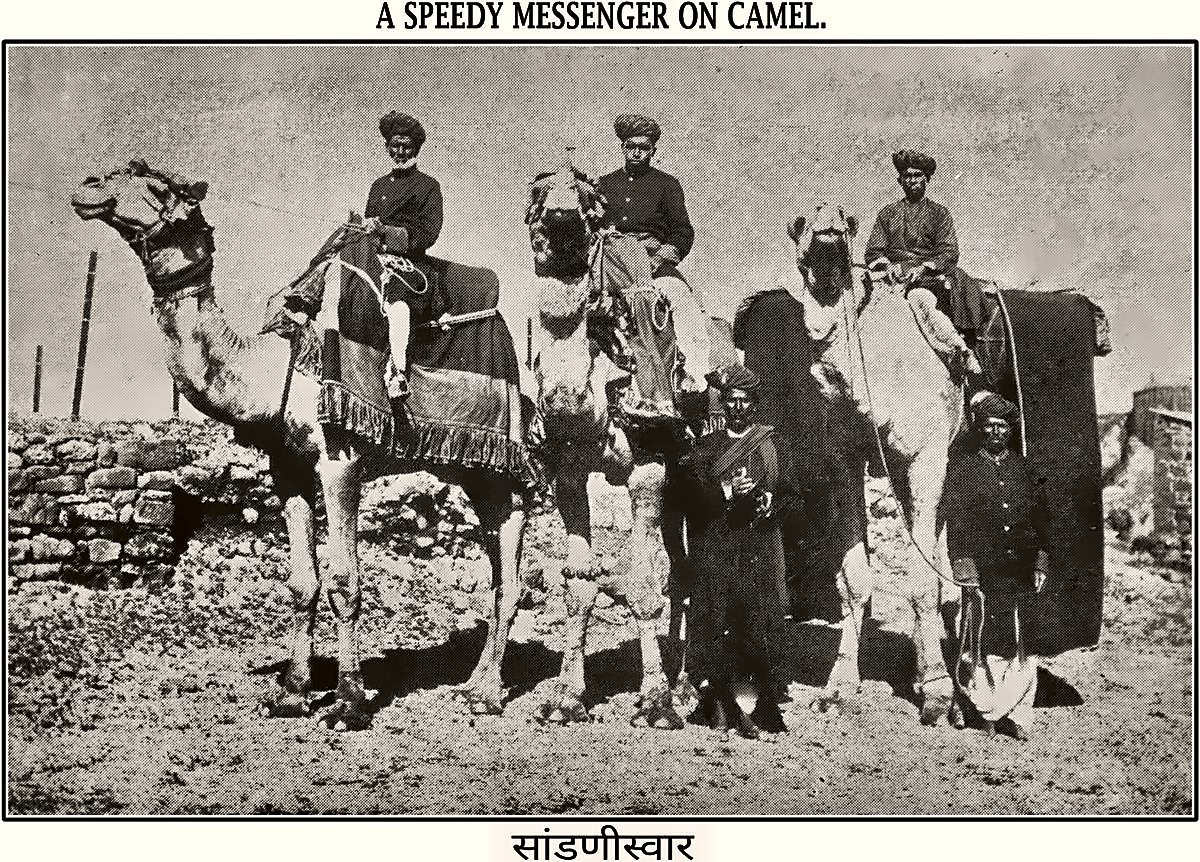
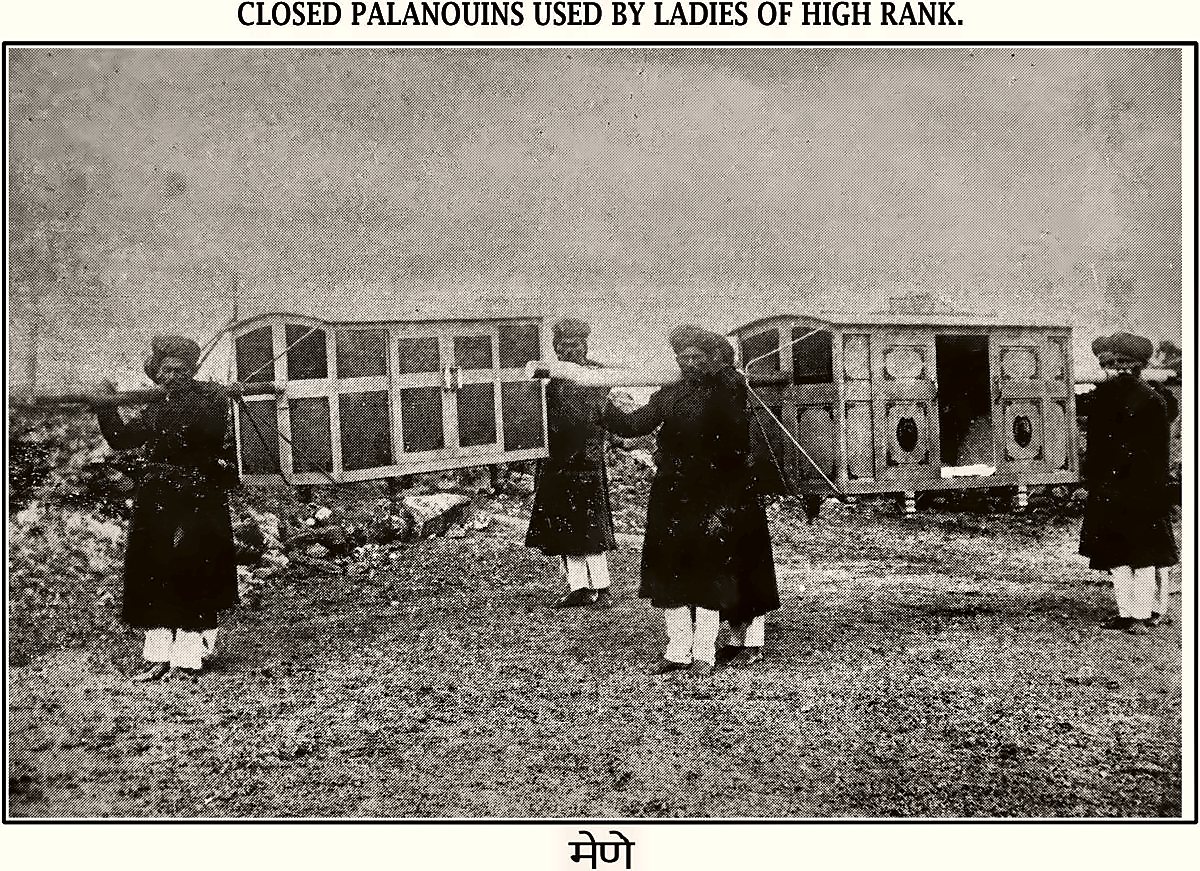
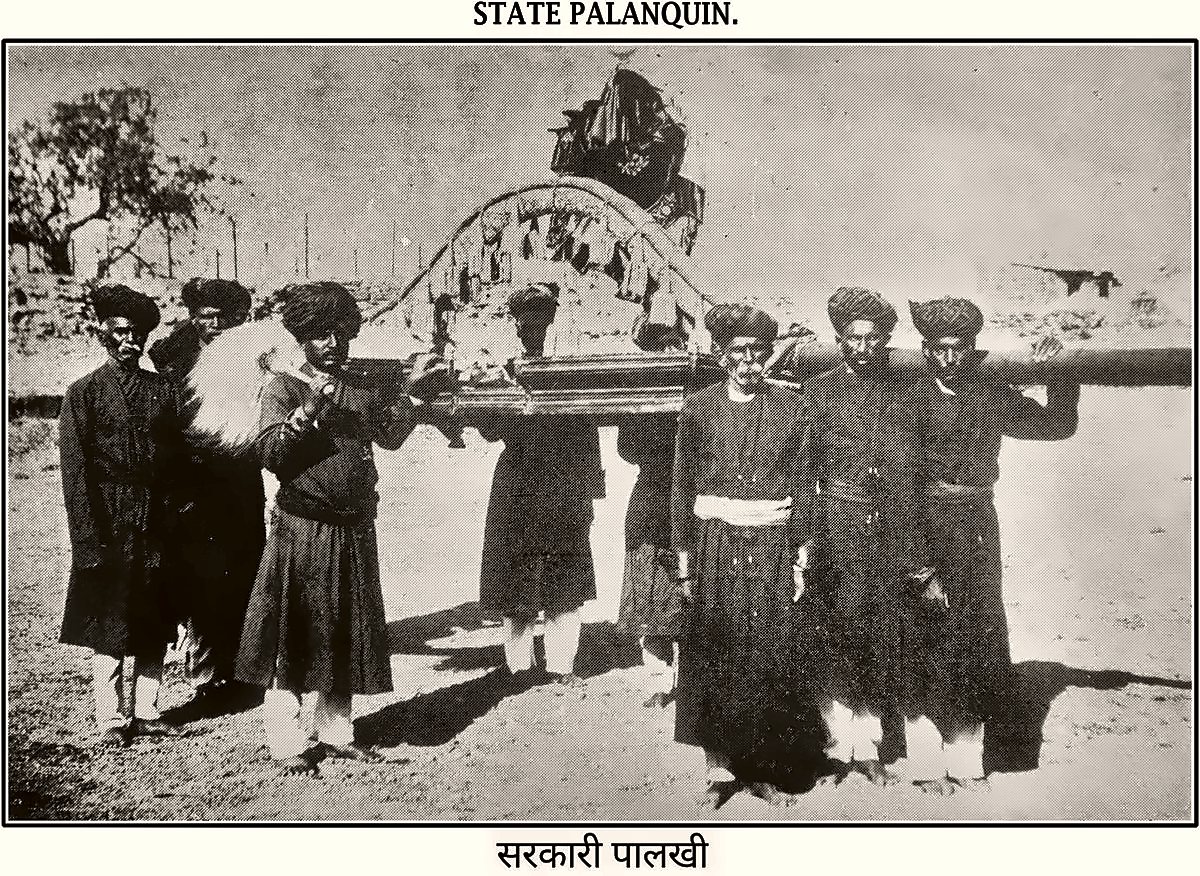
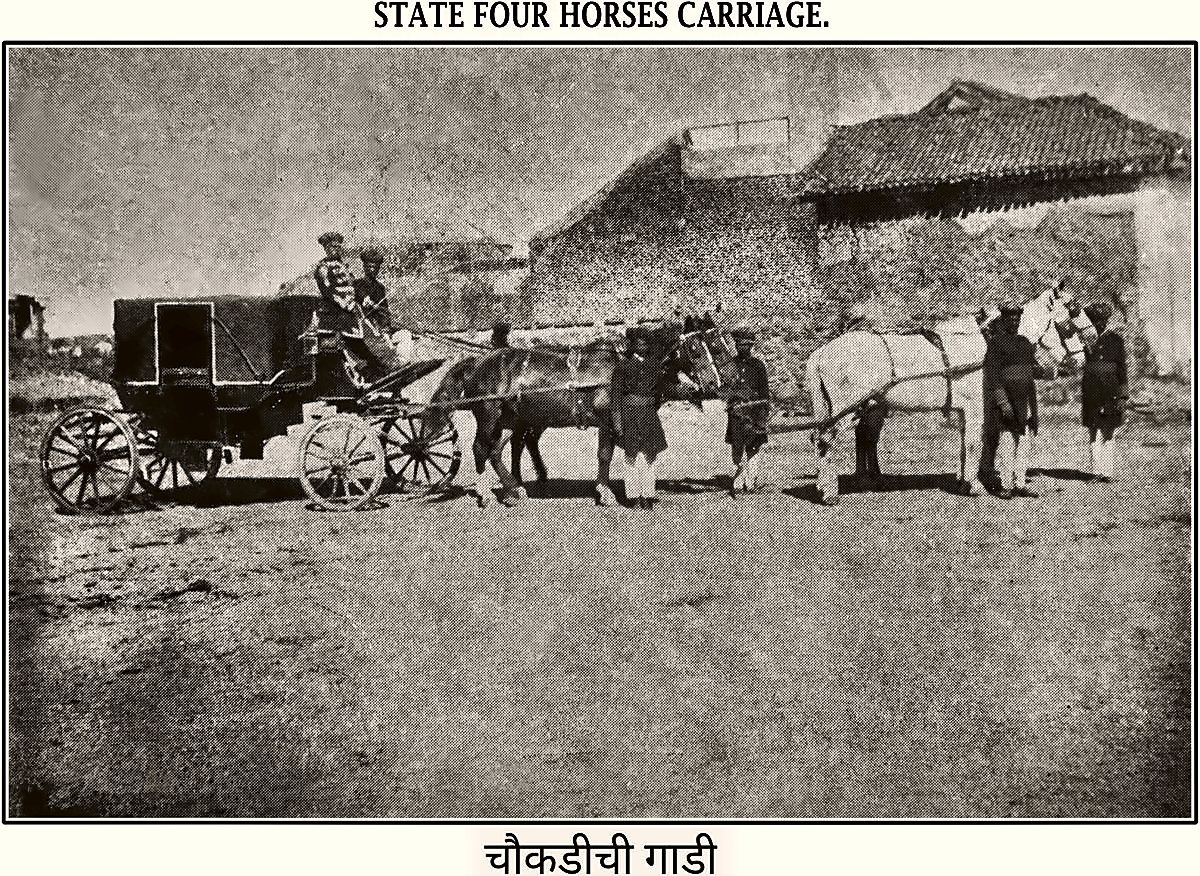
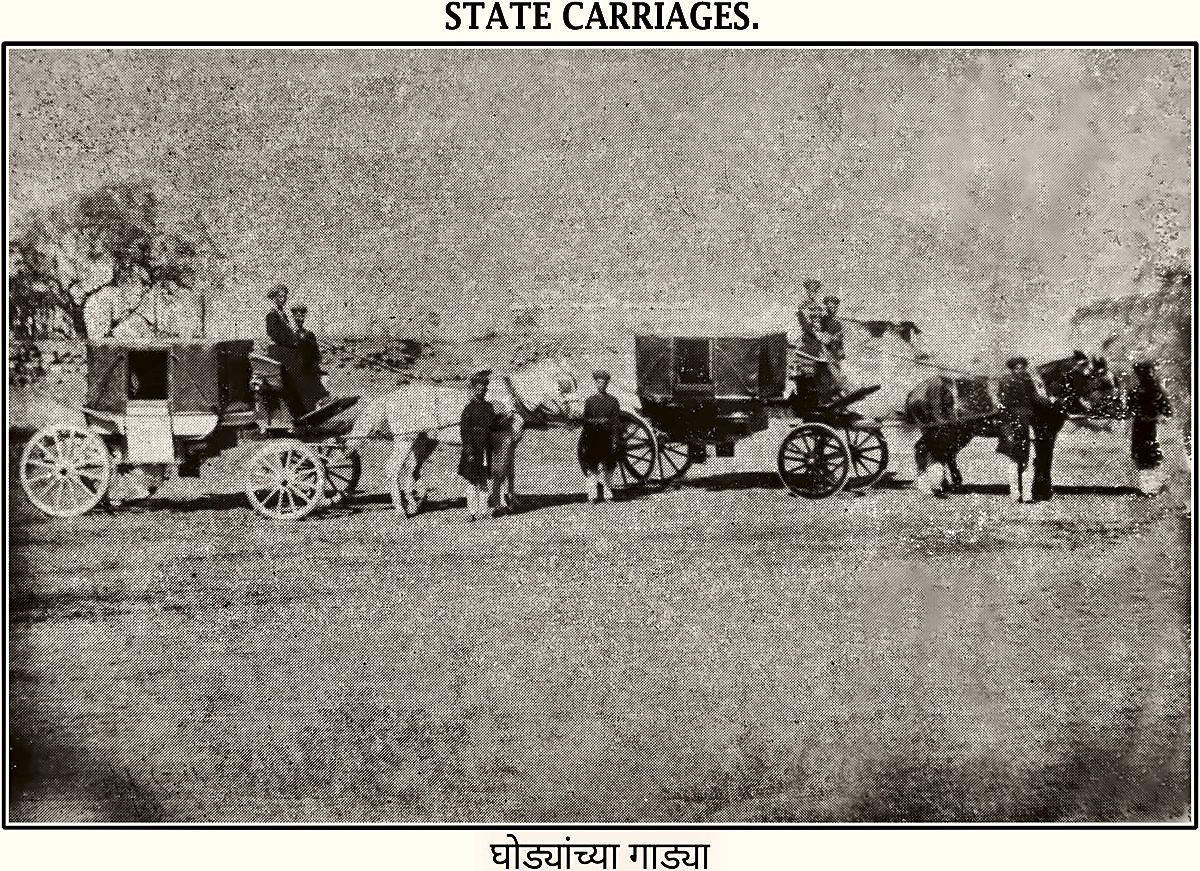
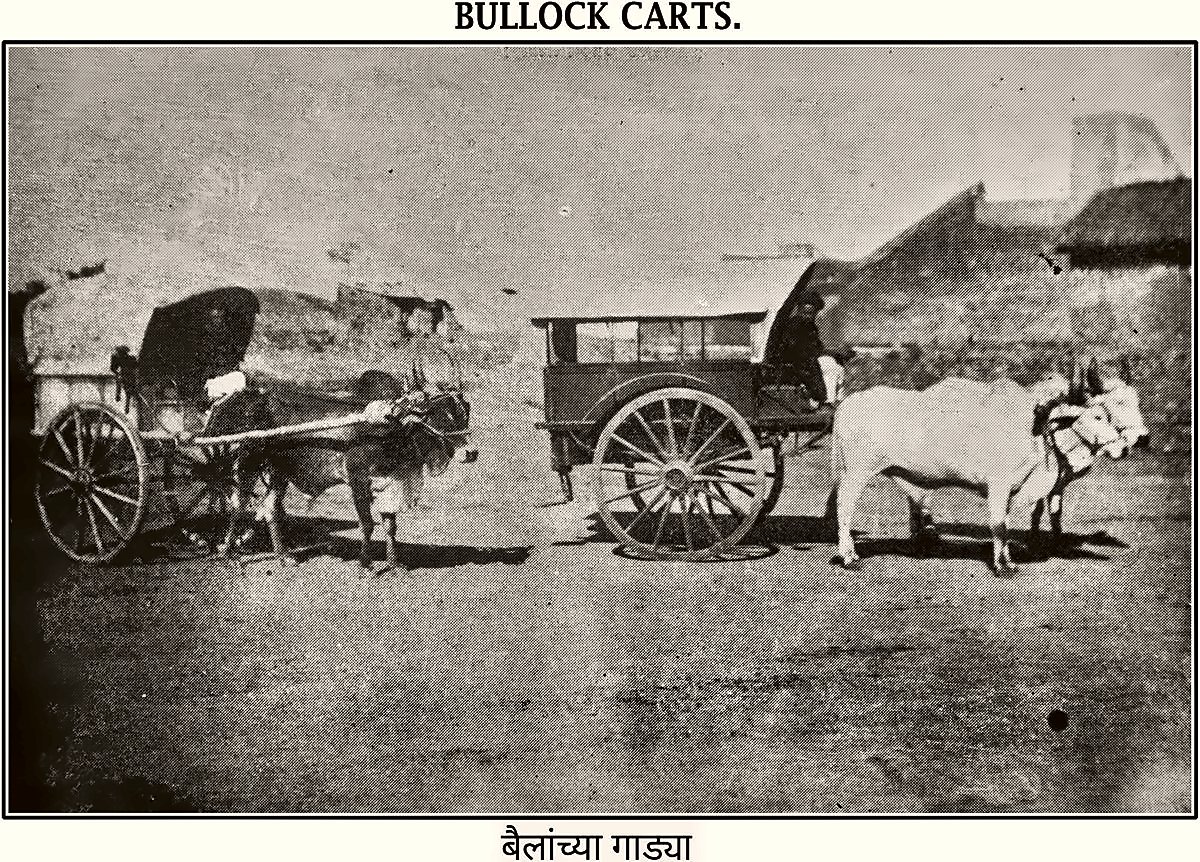
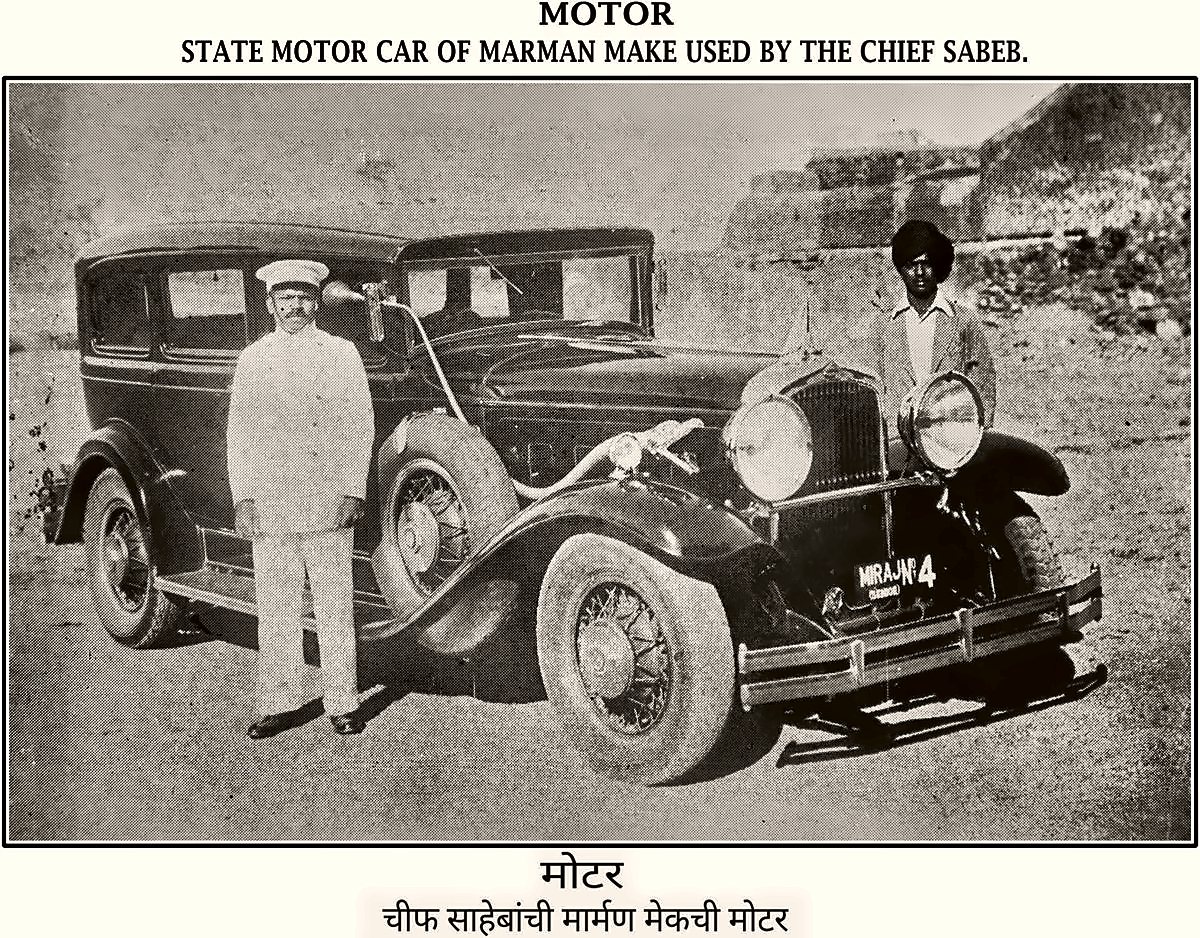
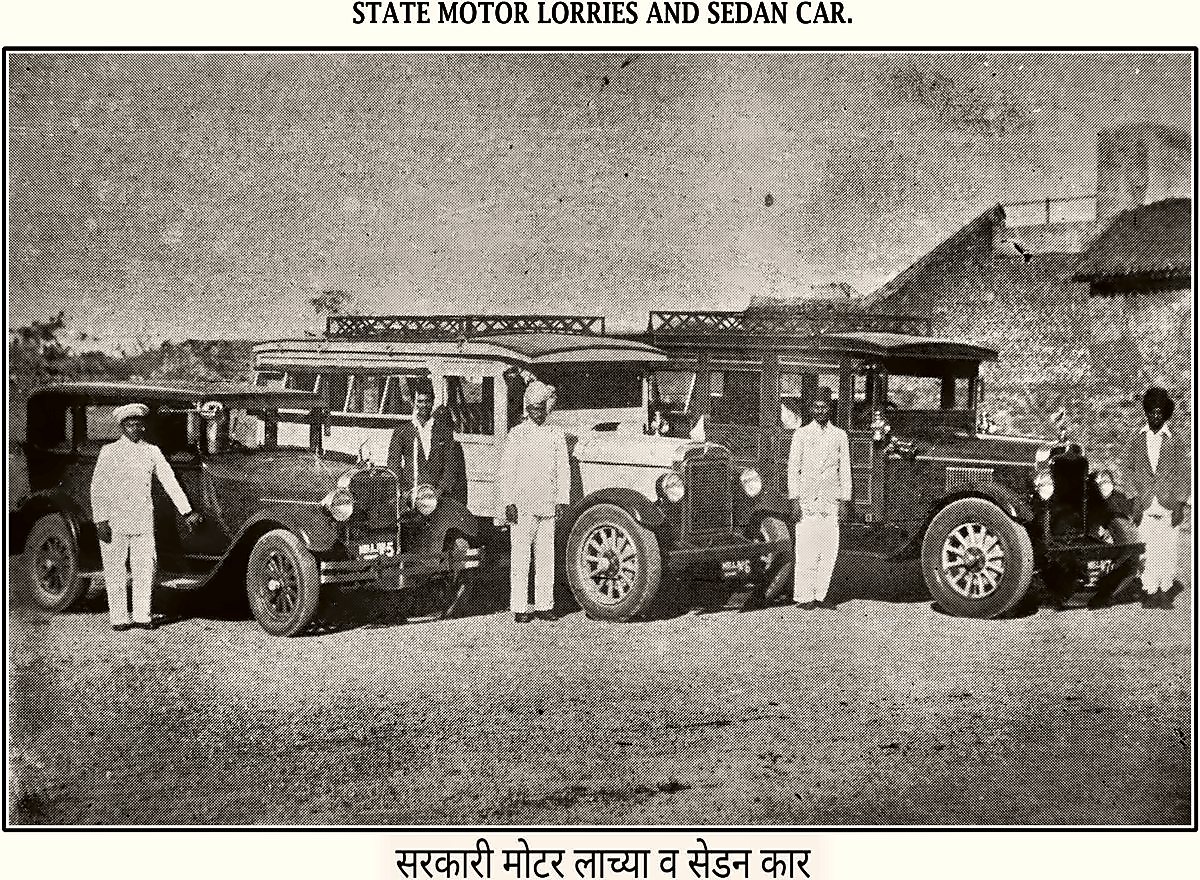
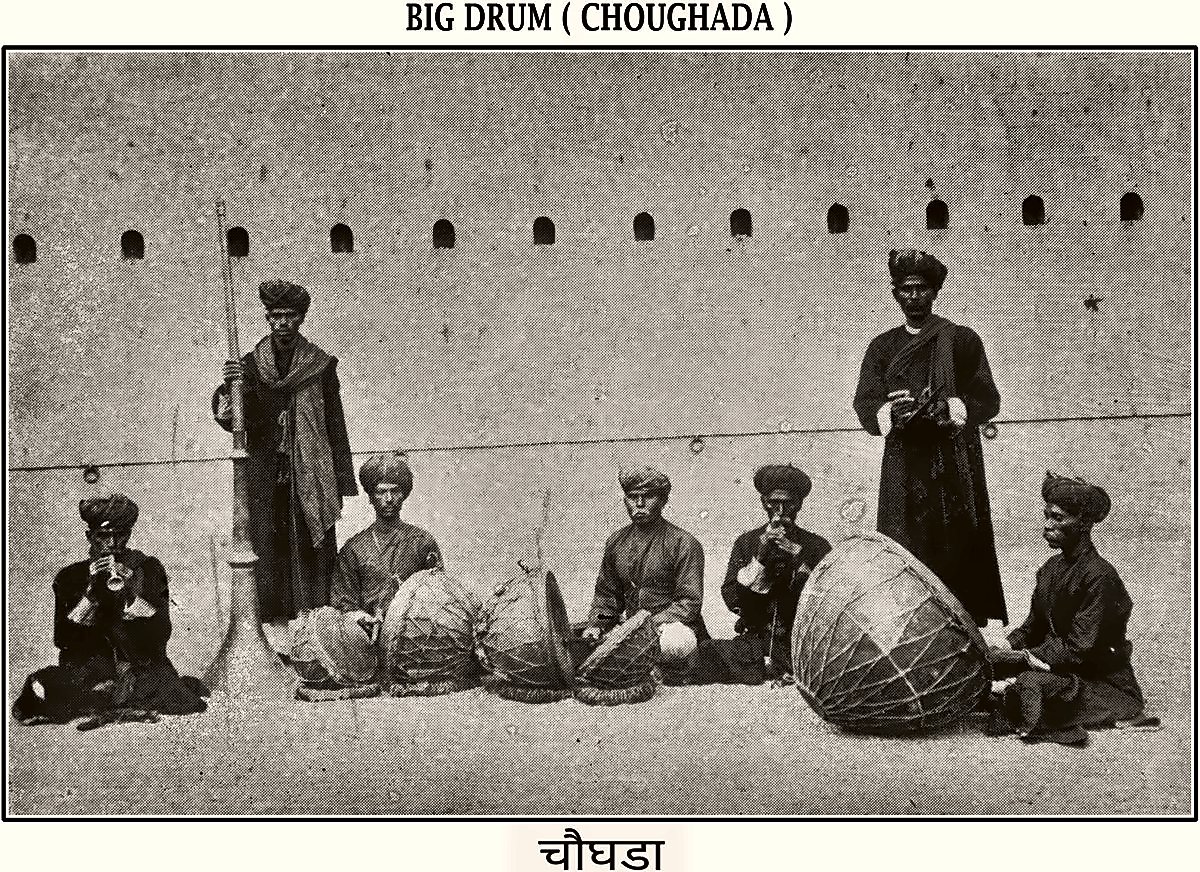
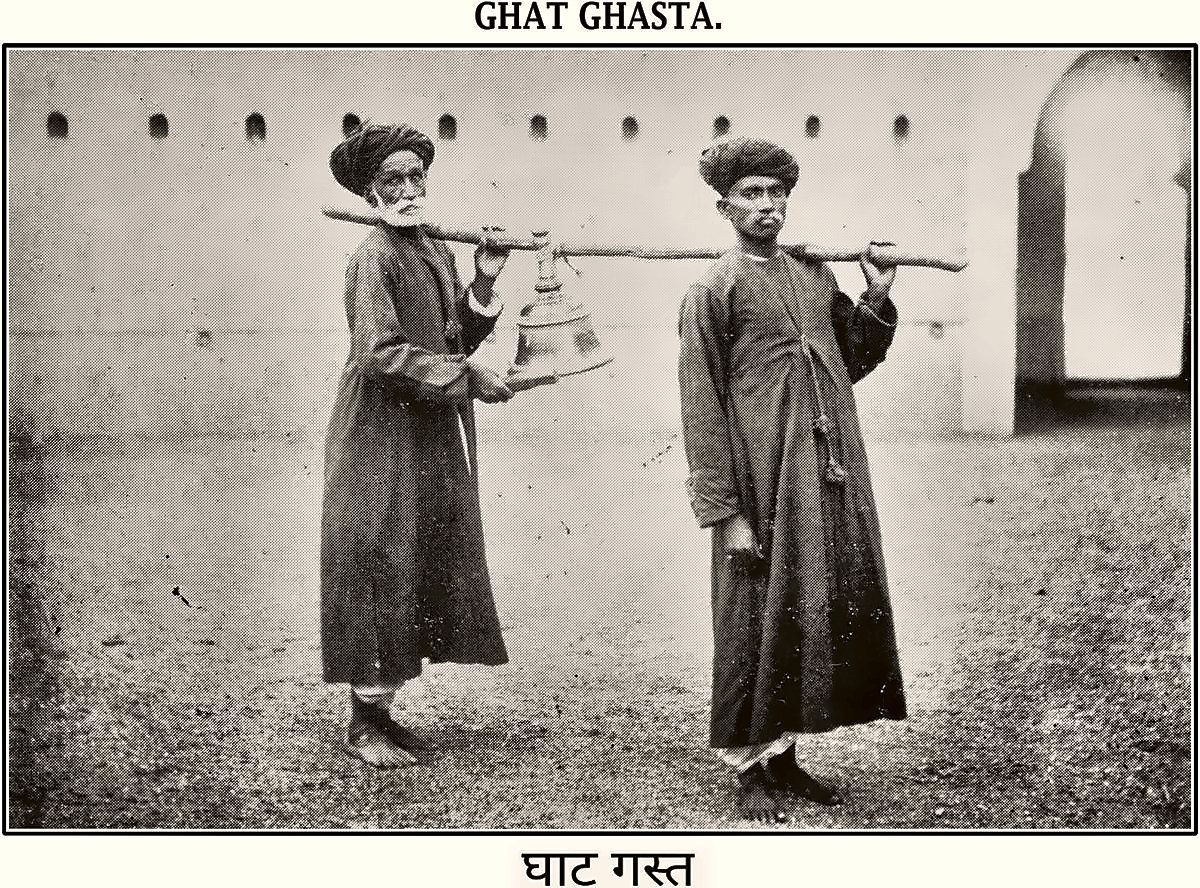
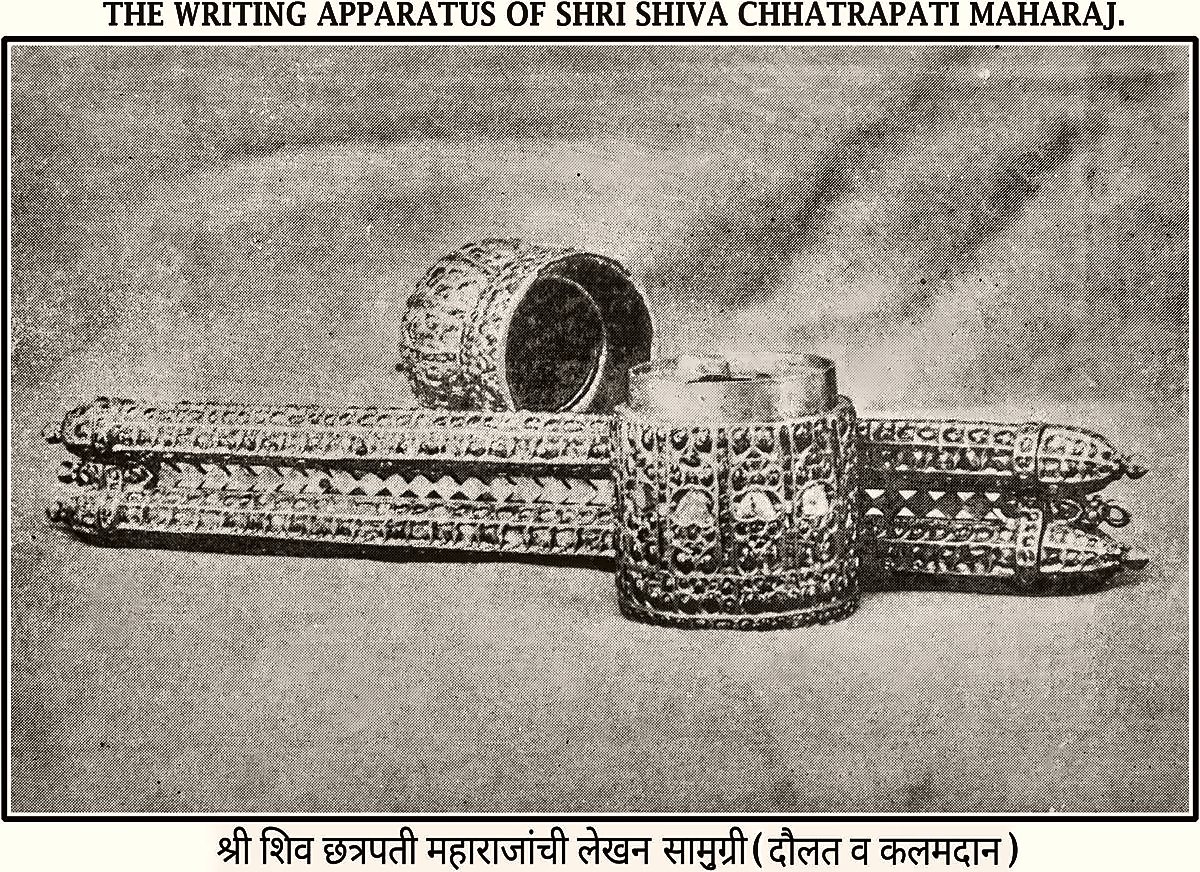
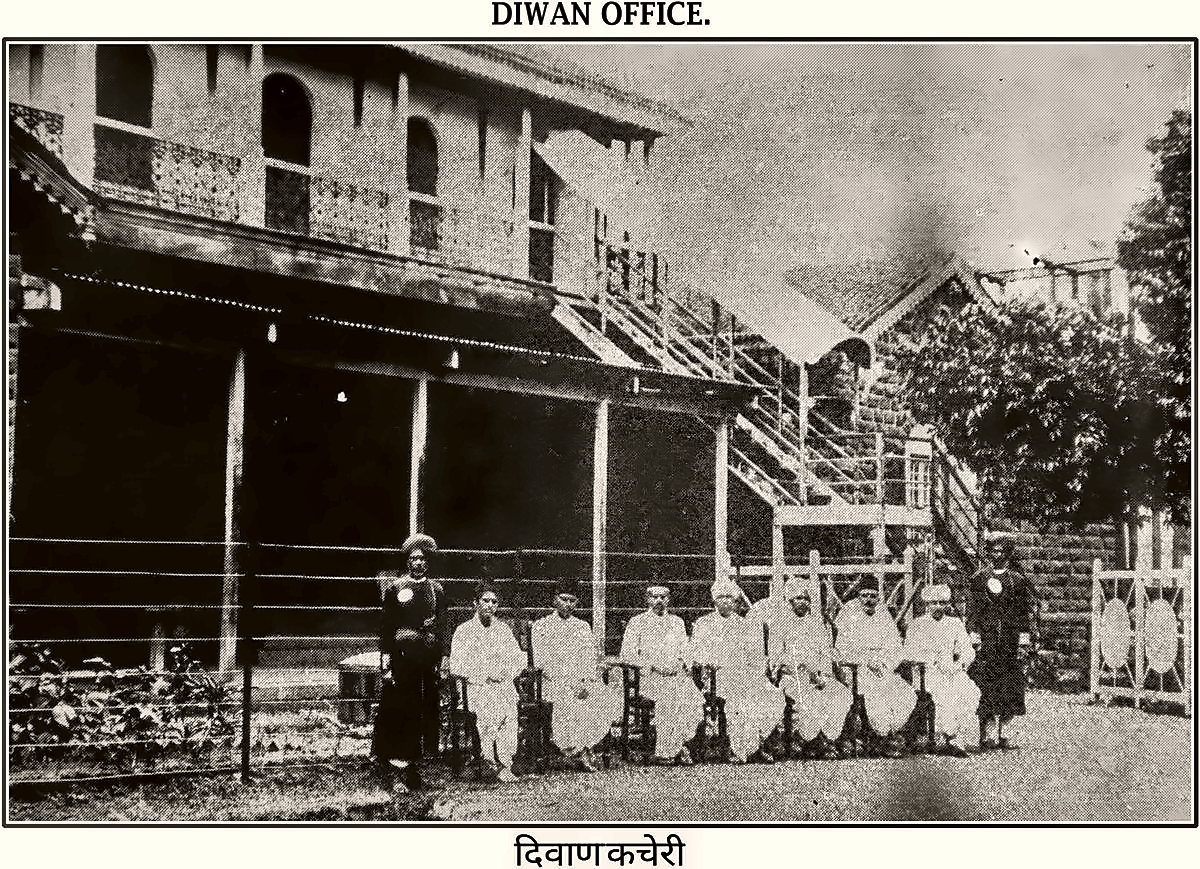
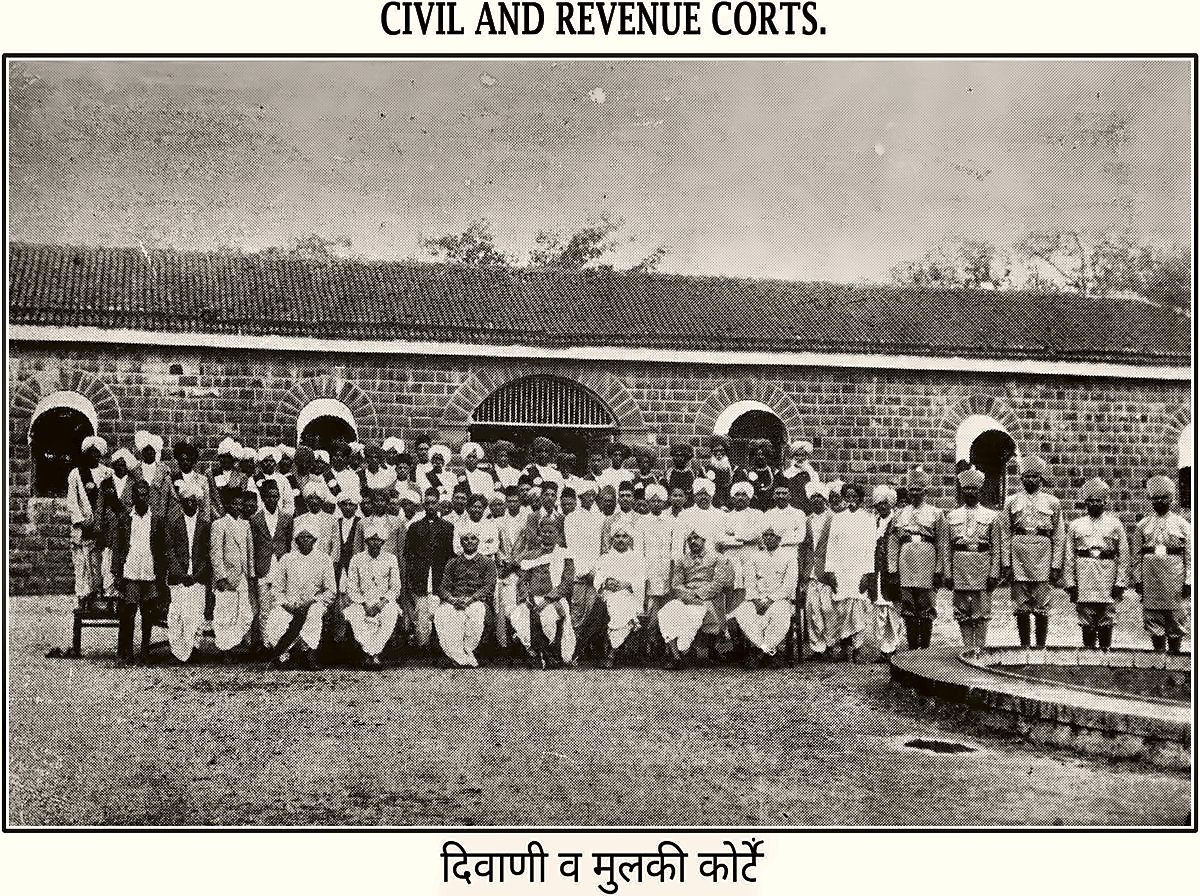
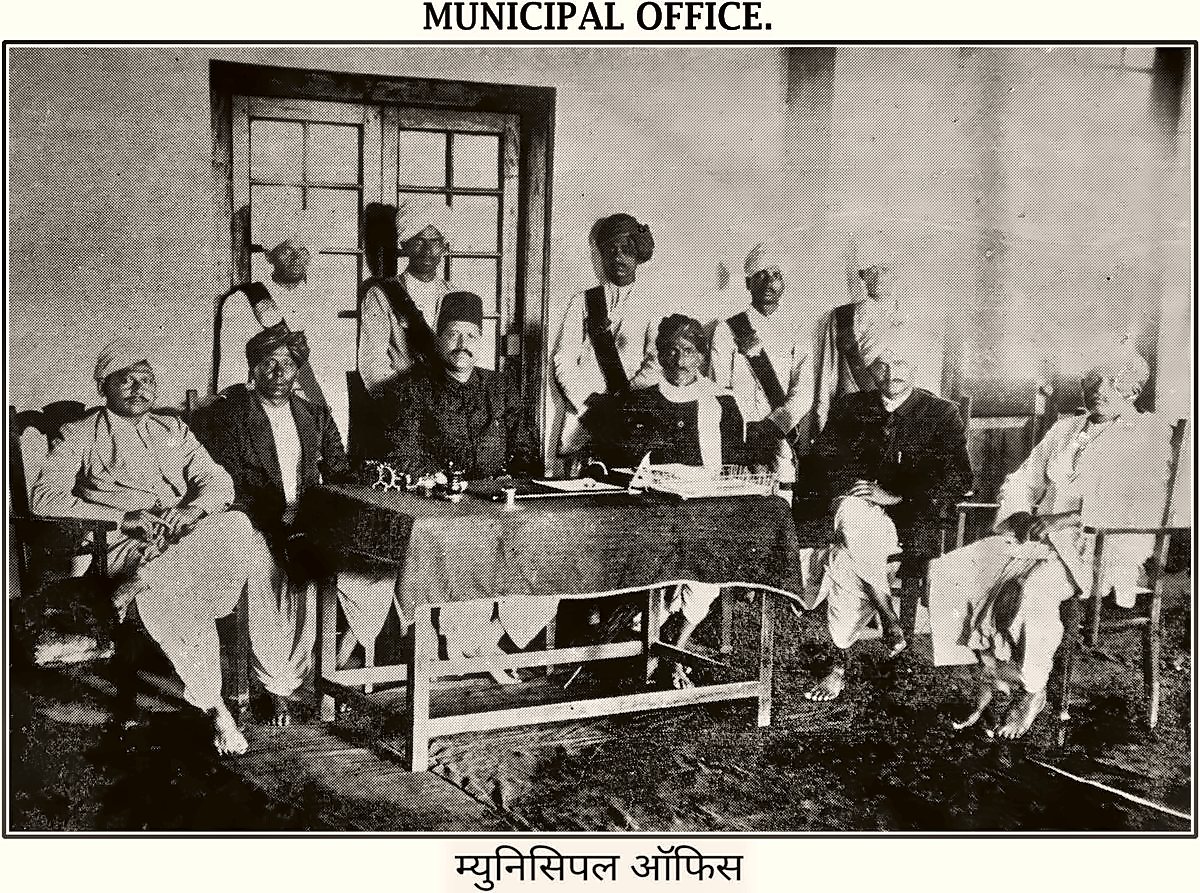
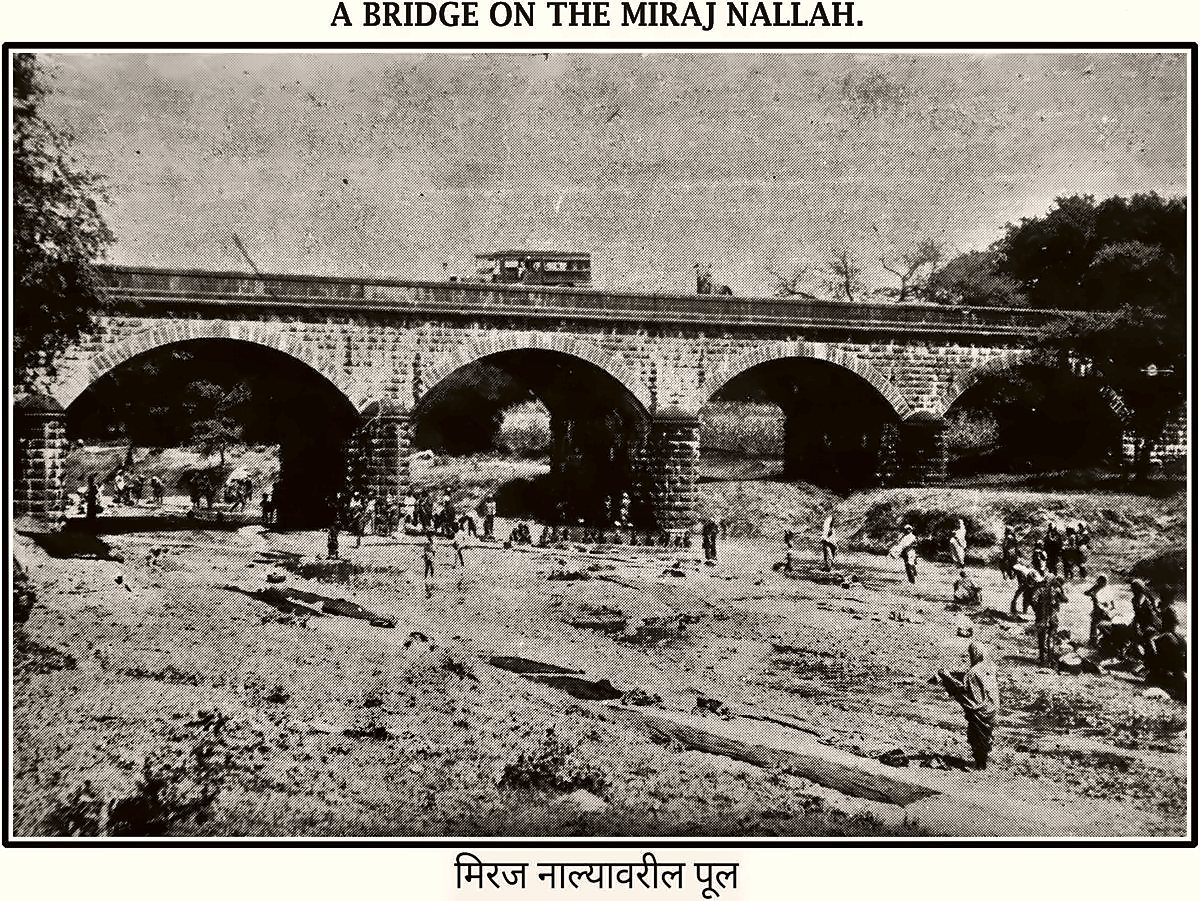
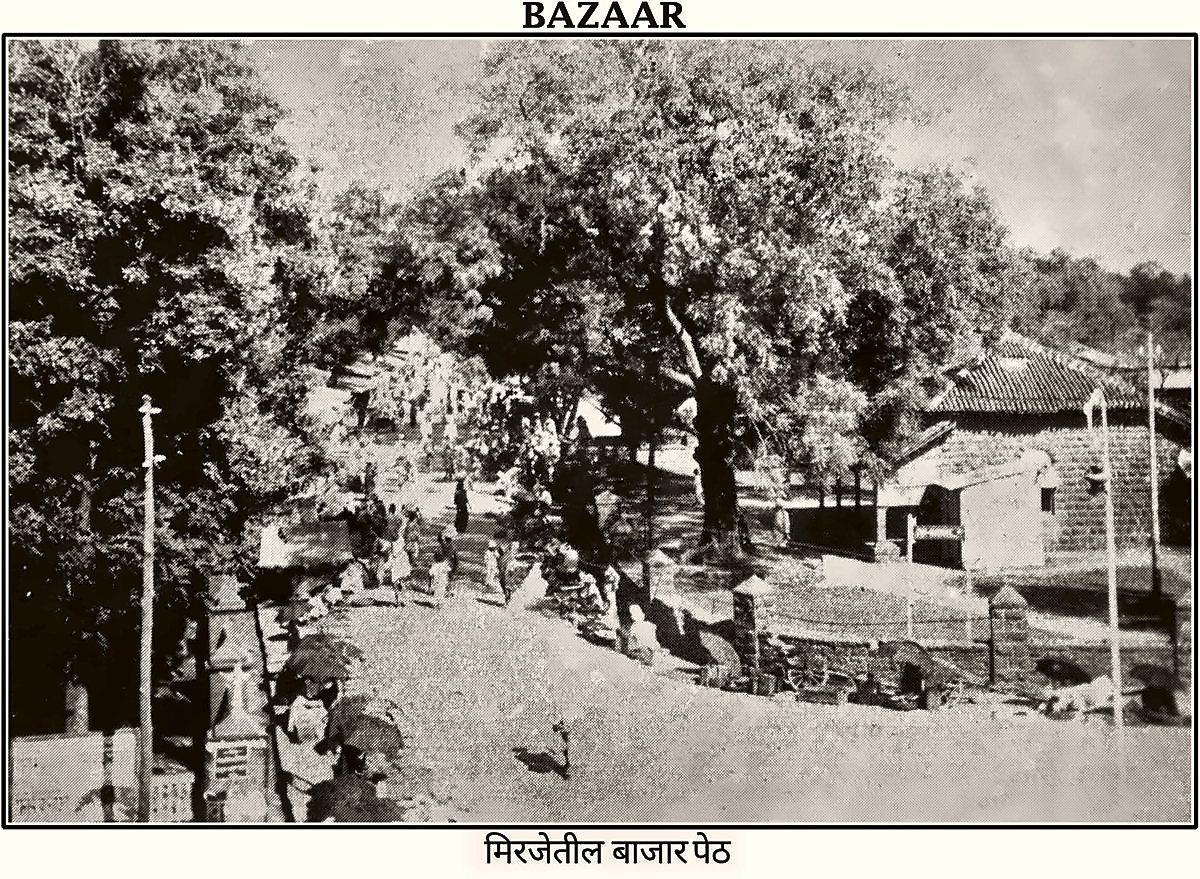
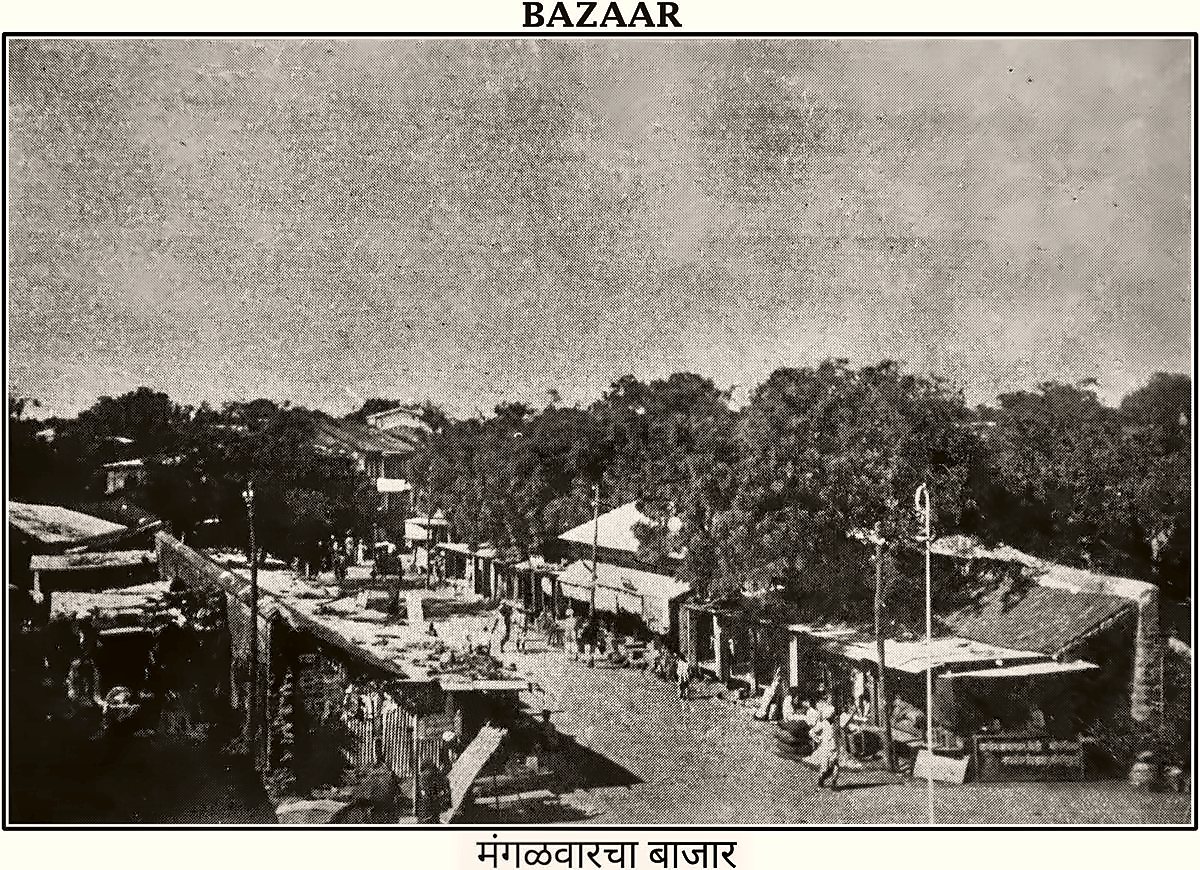
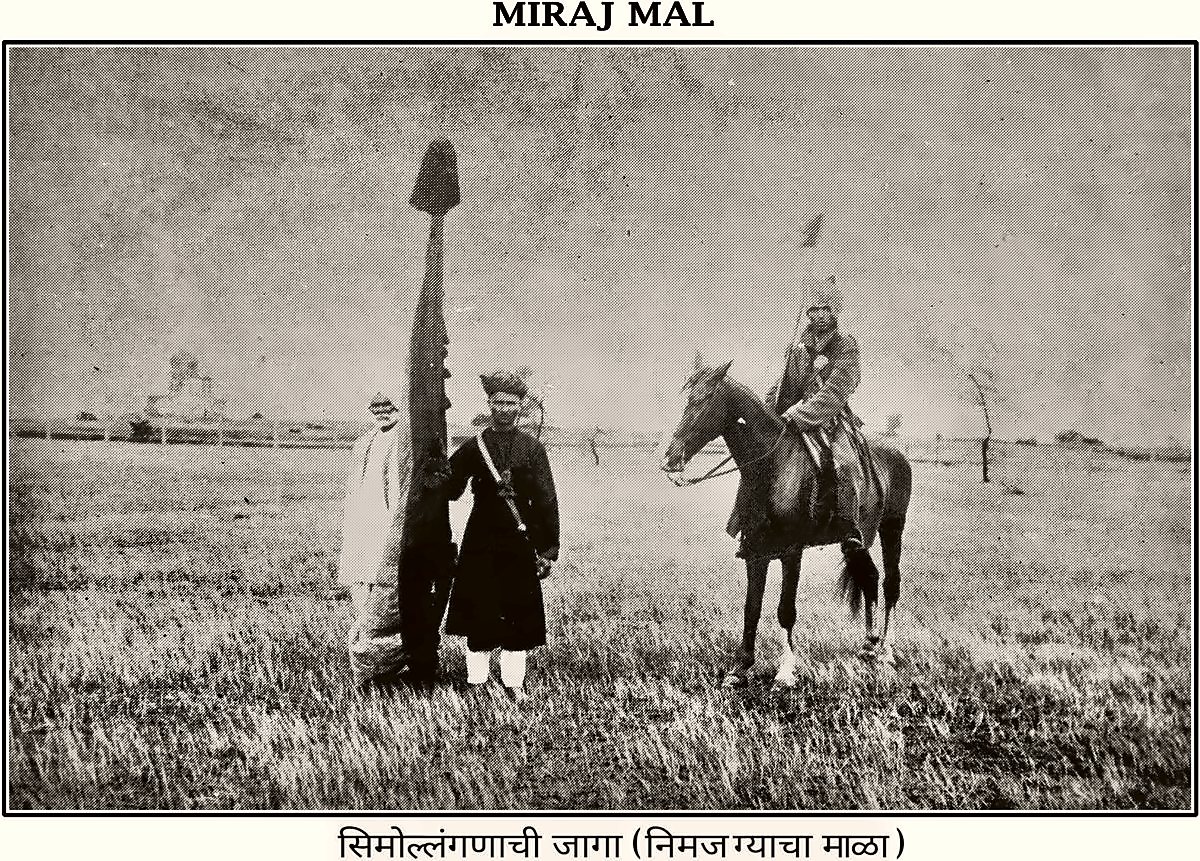
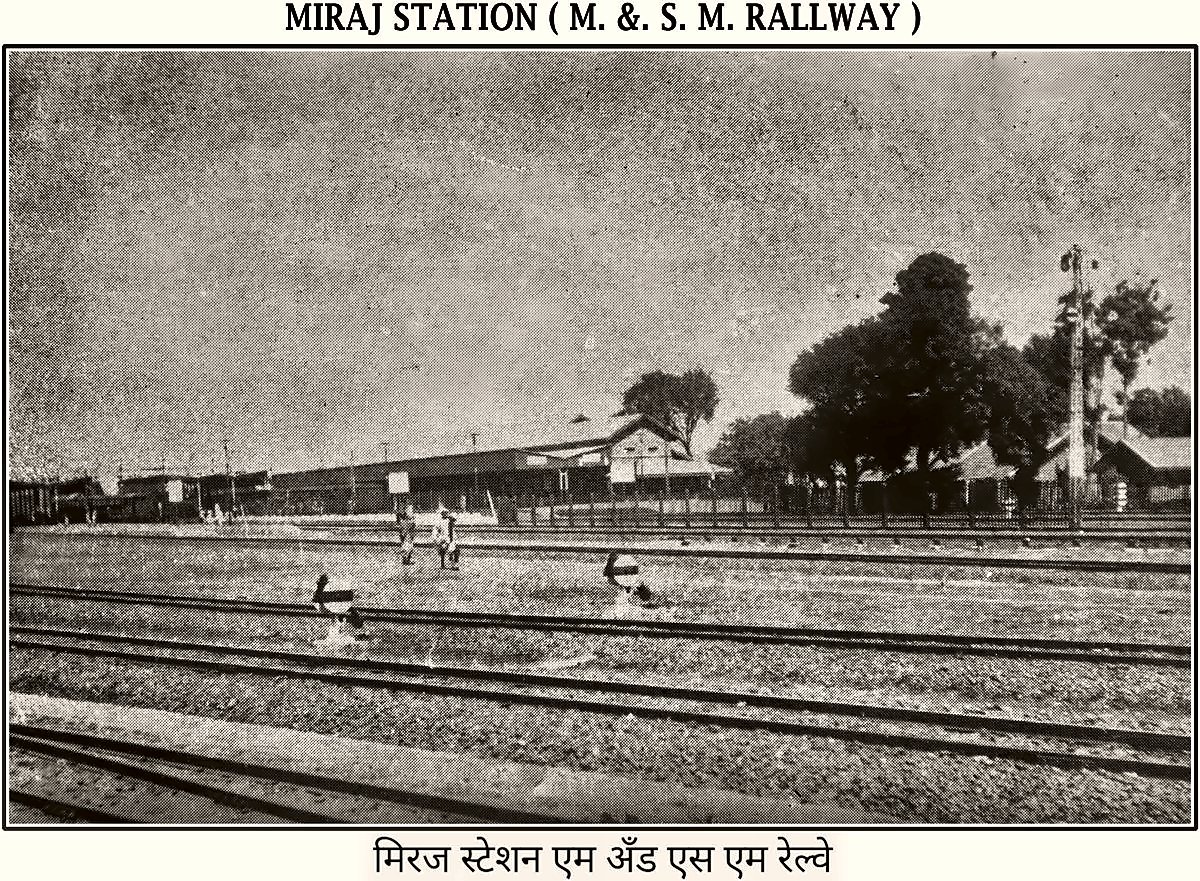
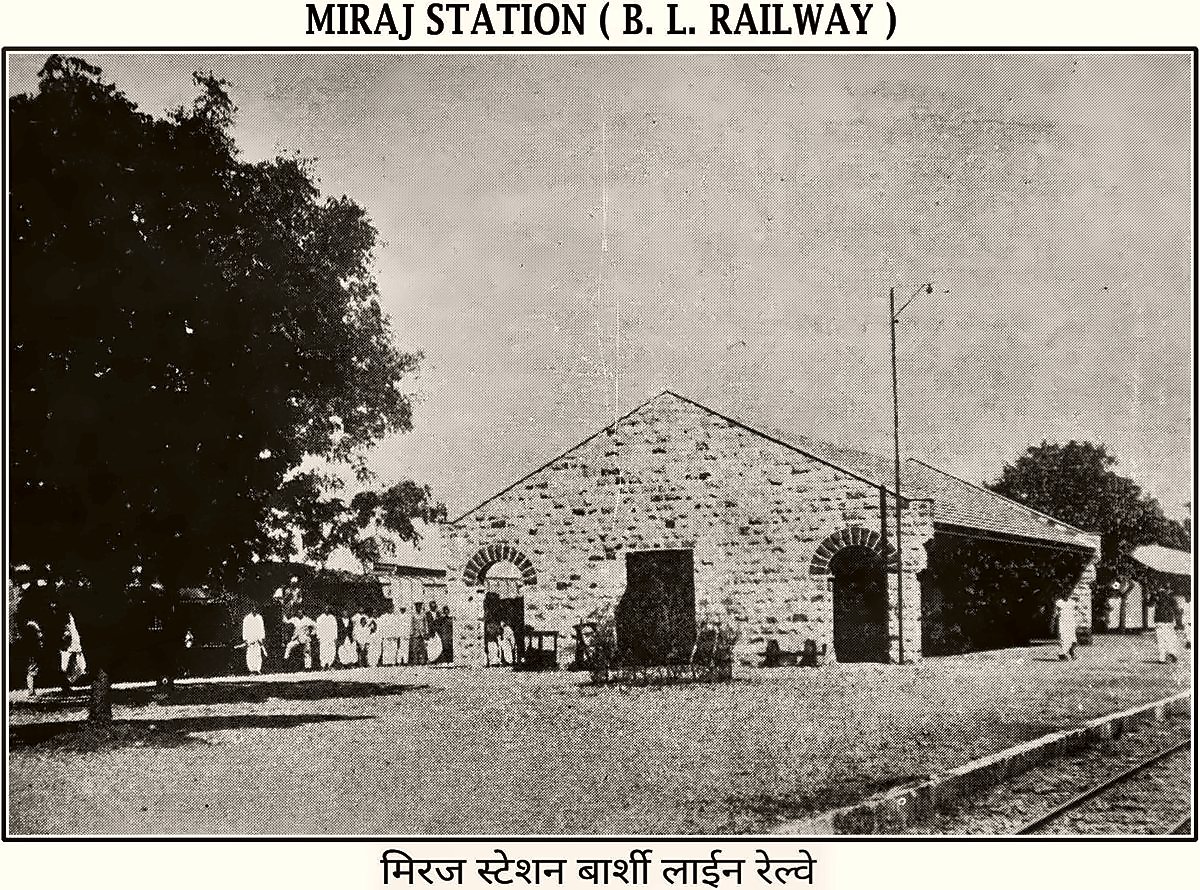
Seventy-four photographs from the family’s album of the Miraj State. Captions follow the album; the notes add what the family’s records tell us.
Fort & Palaces
Court & Ceremony
Temples & Faith
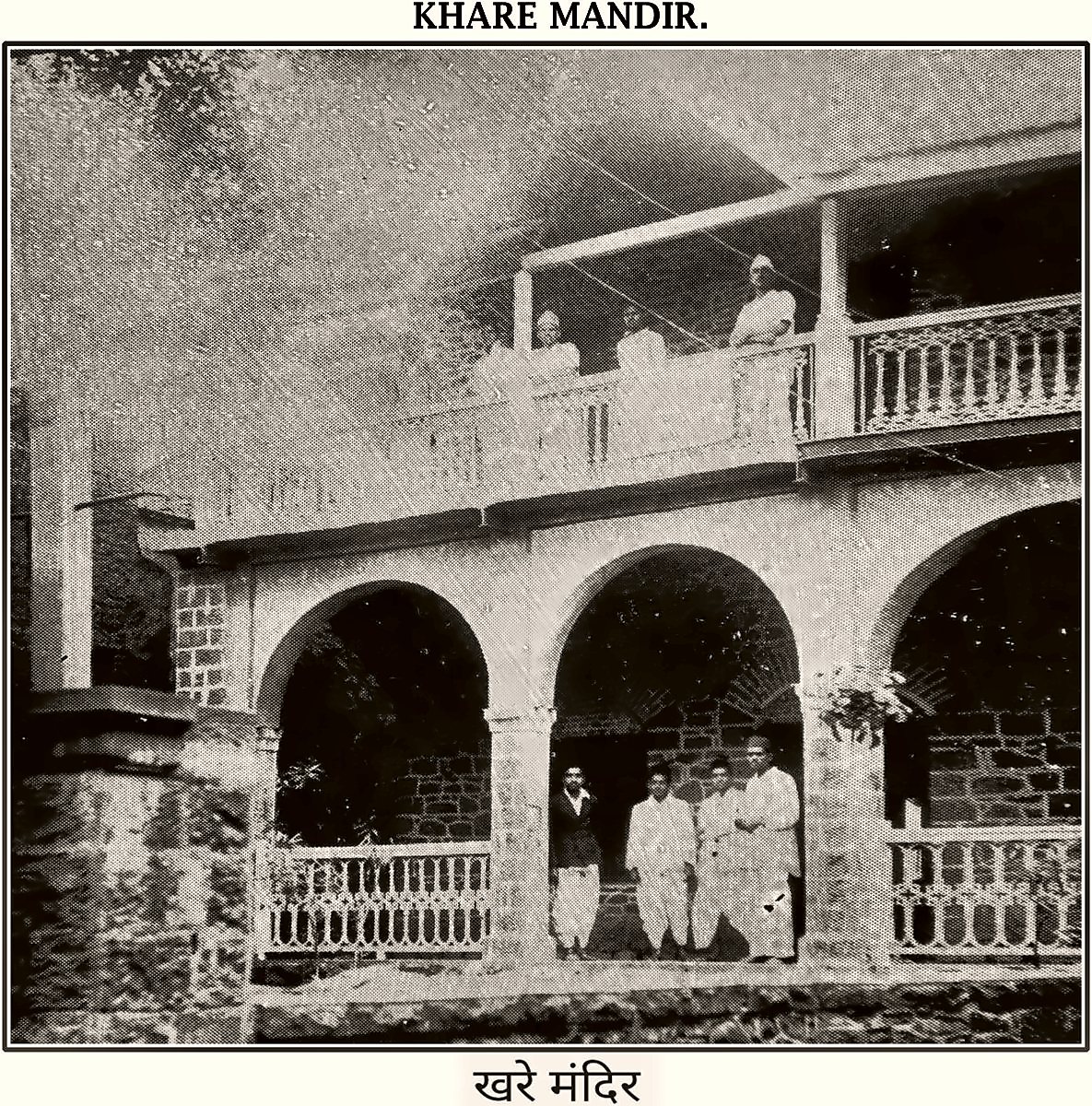
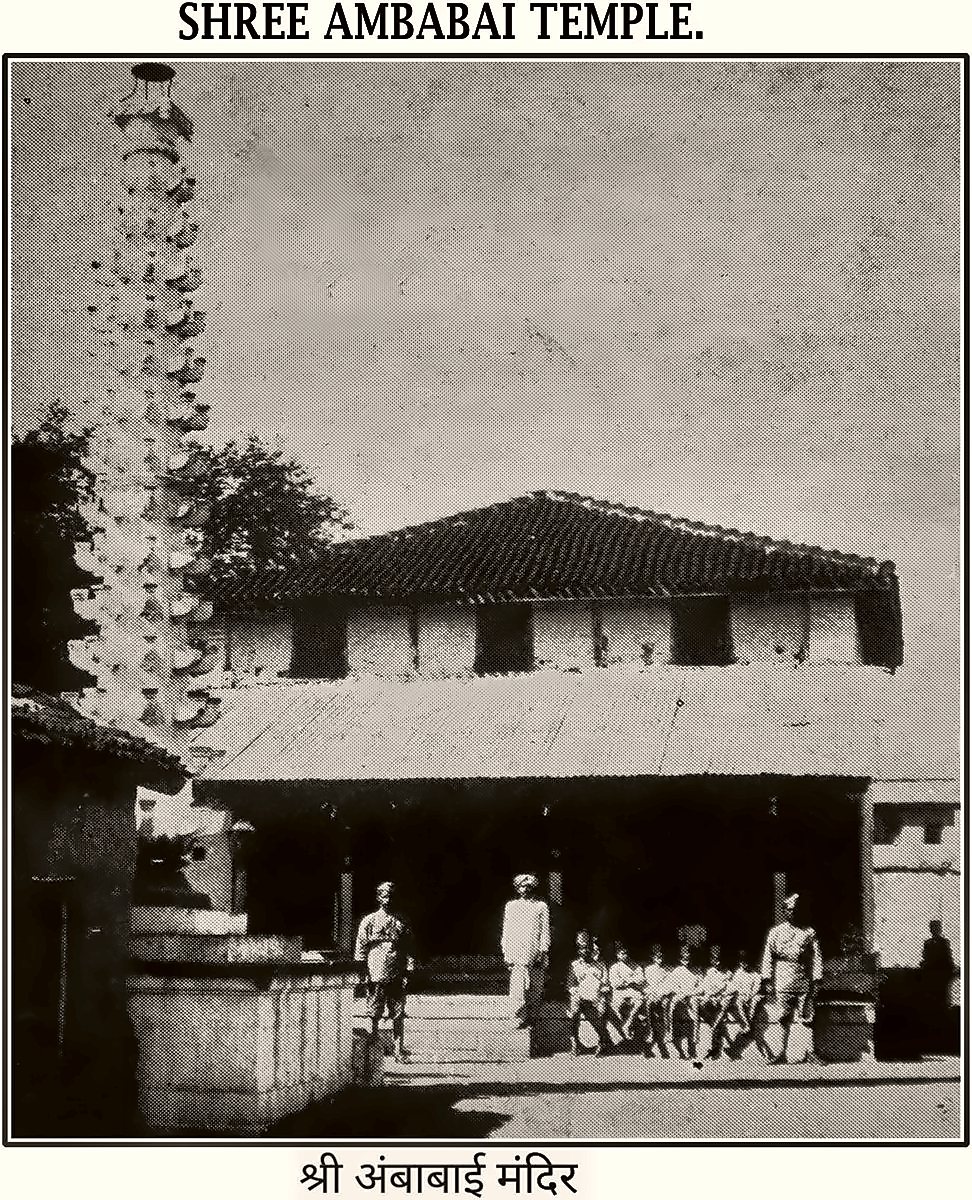
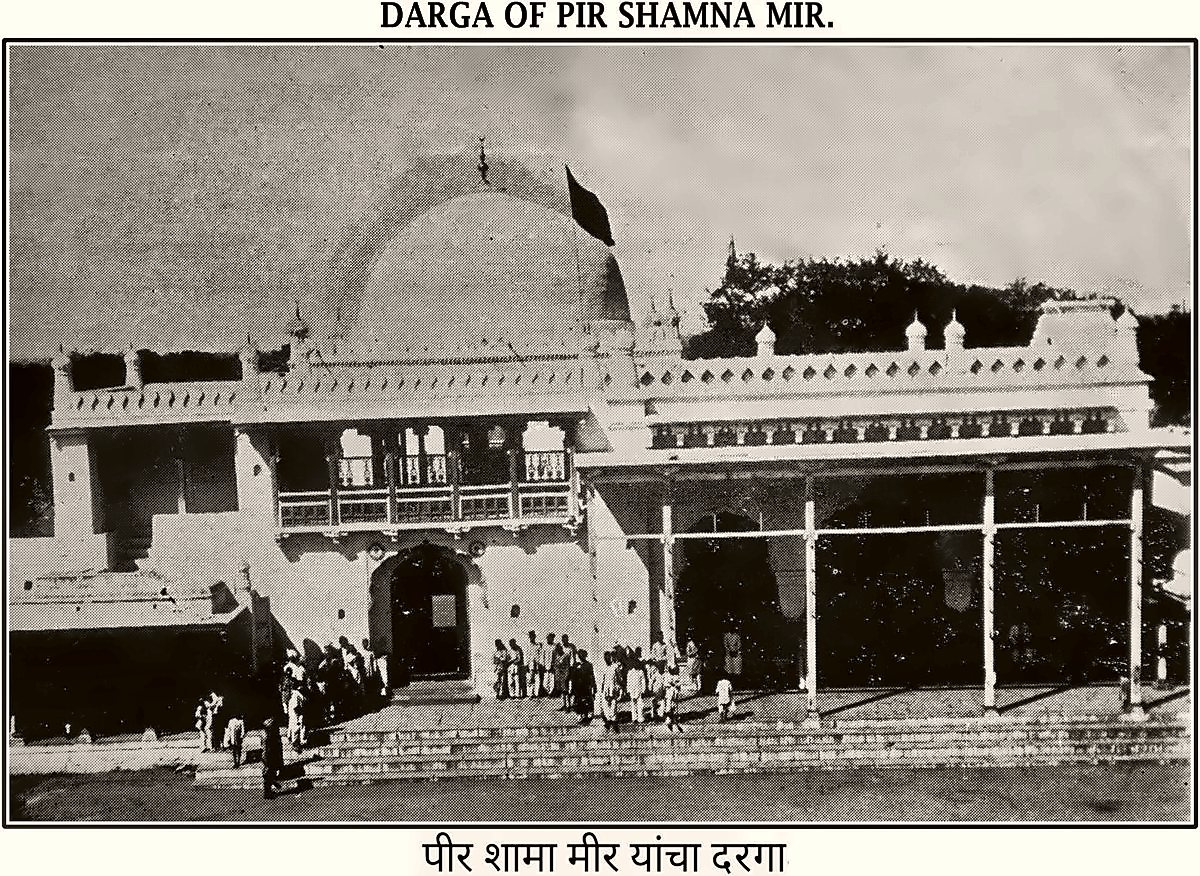
Treasures
Administration
Learning & Culture
Public Works & Industry
The Town
Sources
Sources & further reading
The history on this page draws on the family’s own records and on Dr. Uday S. Kulkarni’s four-part series on the Patwardhans, cited in the text above.
- Uday S. Kulkarni, “Patwardhans: The Sword Arm of the Peshwai”, eSamskriti, 2019, in four parts: Part 1 · Part 2 · Part 3 · Part 4
- Gangadharrao Patwardhan, A Short Sketch of the Patwardhans, ed. Madhavraje Patwardhan
- Vasudev Shastri Khare, fifteen volumes on Patwardhan history
- Deshpande, Patwardhans: Dakshin Bharatche Digpal
- Rao Bahadur Parasnis, The Sangli State
- Hari Vanshachi Bakhar
- Edward West, South Satara States
- Articles by Mansinghrao Kumthekar