A soldier from boyhood
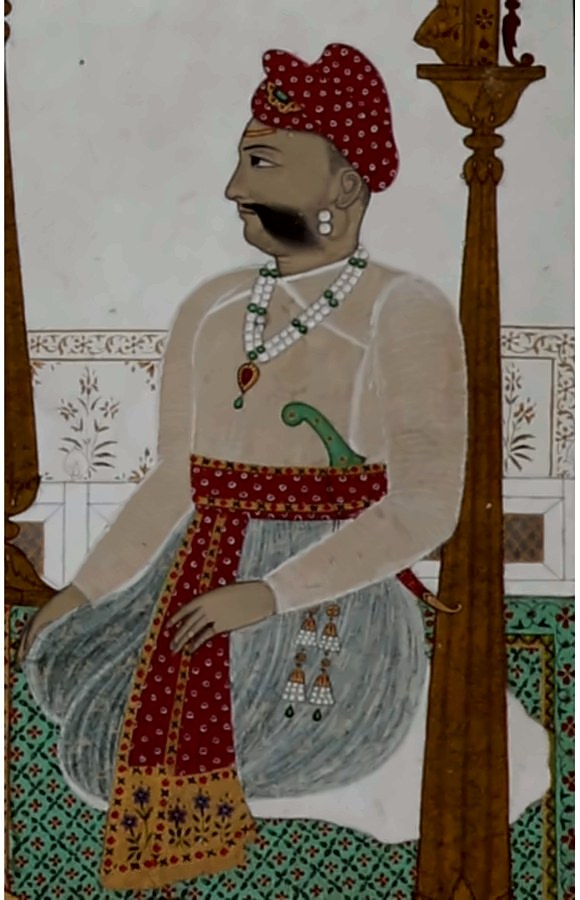
Gopalrao was born around 1721, soon after his father Govind Hari entered the Peshwa’s service in the Kadambande paga. As a boy he trained under Senapati Ghorpade at Bahirewadi, then in his father’s paga, where he mastered riding, the sword and the spear. From the age of fifteen he rode with his father to war, as was the custom at the Peshwa’s court, and by 1749 he was captaining a battalion of his own.
The campaigns
When Damaji Gaikwad invaded the Peshwa’s lands in 1751, Gopalrao fought beside Purushottam Daji and his uncle Ramchandra Hari’s men, and personally arrested Damaji. He took part in the Srirangapatna campaign of 1757 against Mysore. After the Battle of Udgir in 1760, the Nizam agreed to cede territory but refused to give up the great fort of Daulatabad. Gopalrao first negotiated, then on the Peshwa’s orders blockaded the fort until it fell, and Nanasaheb Peshwa praised him as a “stern soldier”.
He stood by the young Peshwa Madhavrao against Raghunathrao in 1762–63, and in the wars with Hyder Ali that followed he was chief commander of the family’s 8,000 horse. In the campaigns of 1764, 1766 and 1769–70 he held the line of the Tungabhadra and fought in engagements across Karnataka.
One of the “Sadetin Raos”
Maratha tradition counts three and a half great captains of the age, the Sadetin Raos: Bhavanrao Pratinidhi, Murarrao Ghorpade, Gopalrao Patwardhan and, as the half, Peshwa Madhavrao himself.
A story shows how high his name stood. A rich moneylender named Gopal Naik Tambekar once entered Pune and gave his name at the city border as “Gopalrao”. When the Kotwal reported this, Madhavrao was surprised that Gopalrao Patwardhan had not called on him at Shaniwar Wada, and sent for him. Finding a stranger, the Peshwa had him fined, declaring that there was only one Gopalrao, the Patwardhan of Miraj, and no one else might take that name.
The Darbar Hall he never saw
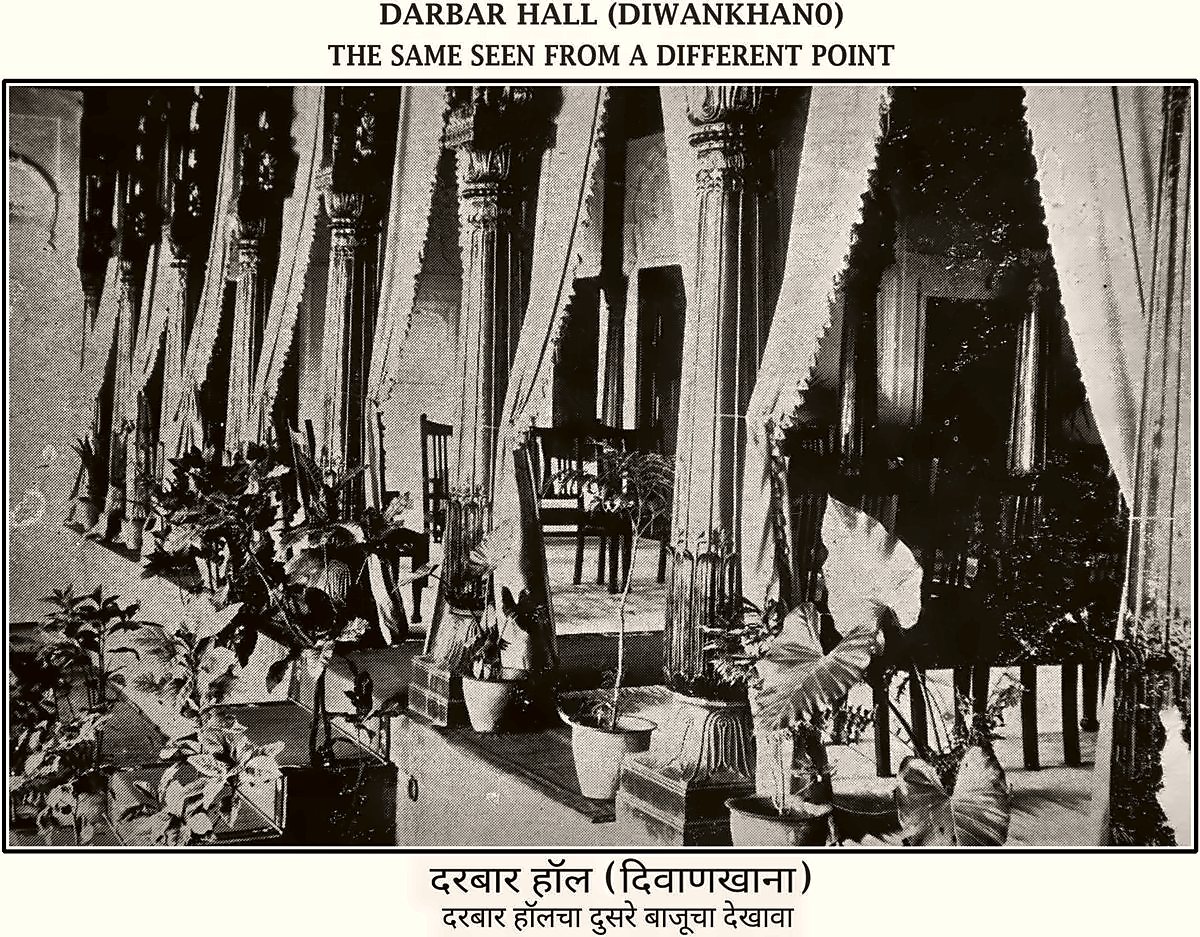
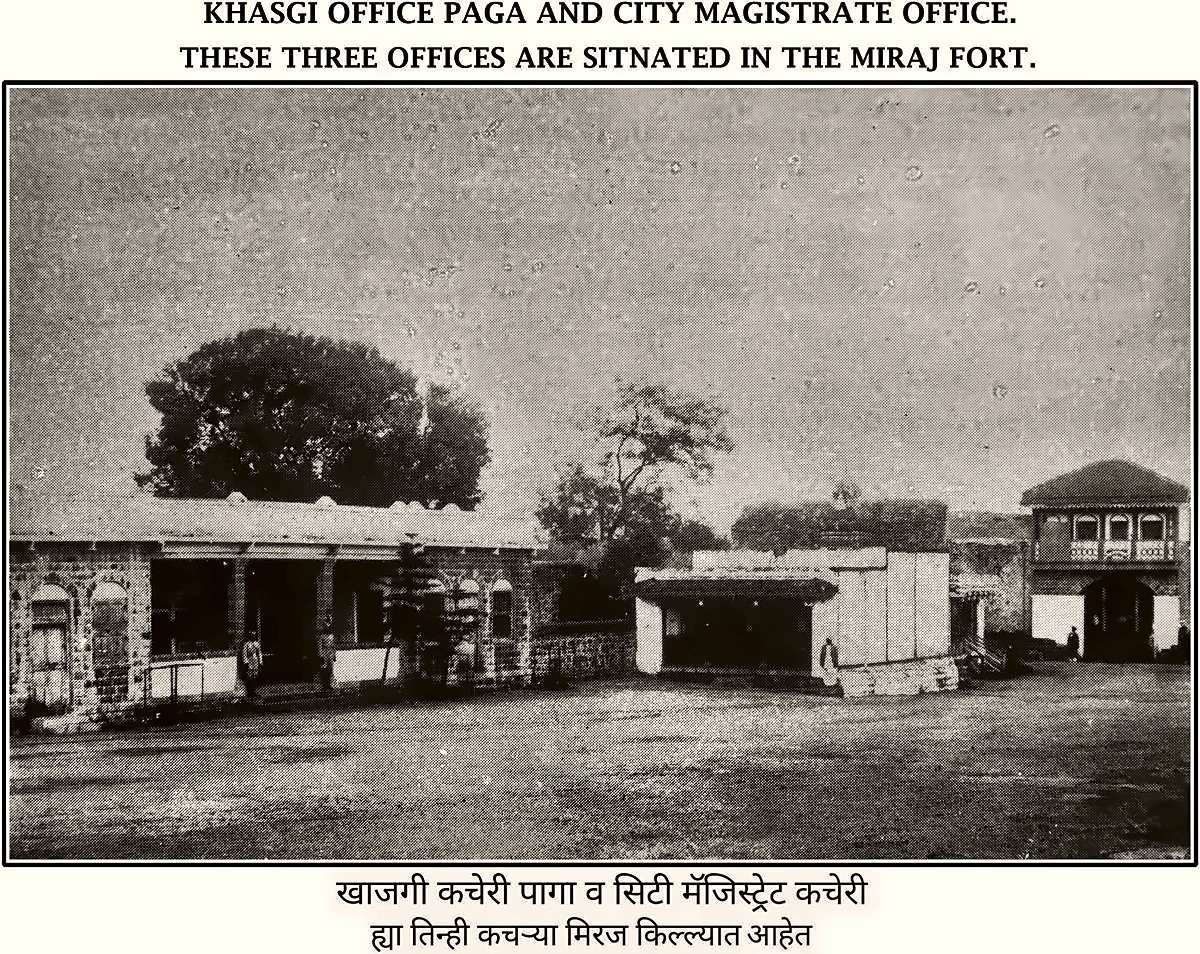
After two decades in the field, Gopalrao fell ill during the last campaign against Hyder Ali. He turned for home, hoping to see the Darbar Hall he had commissioned at Miraj, but died at Mhaisal on 17 January 1771, barely fifty, before he could enter the town. His father Govind Hari died that November. The Diwankhana Gopalrao began still stands in Miraj.