Hari Vansh Patwardhans

Ancestors

The founders of the family, the Saranjamdars of Miraj under the Peshwas, and the rulers of the Miraj (Senior) State.

The Founders

Priest and Warriors

✦
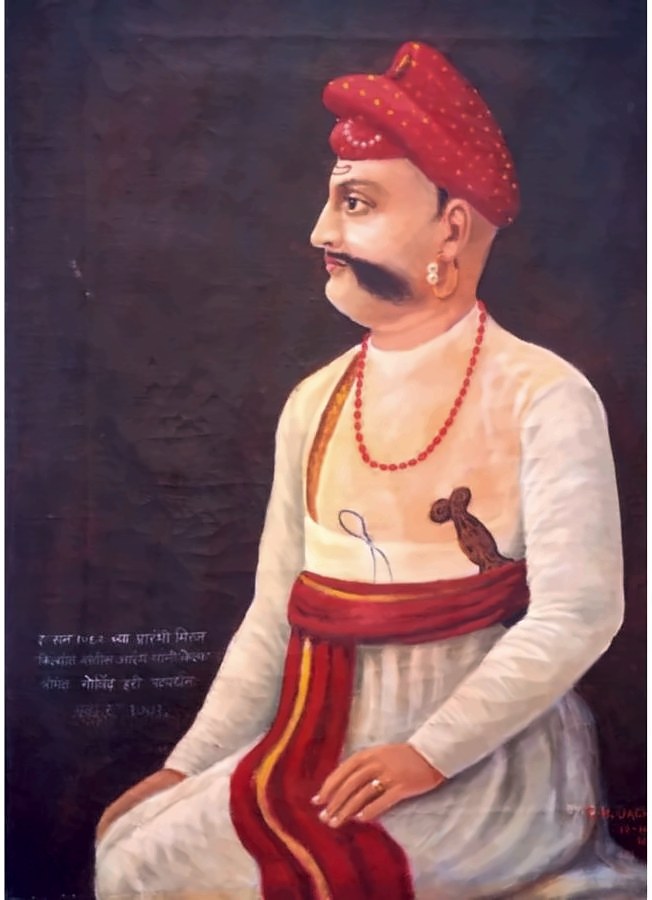
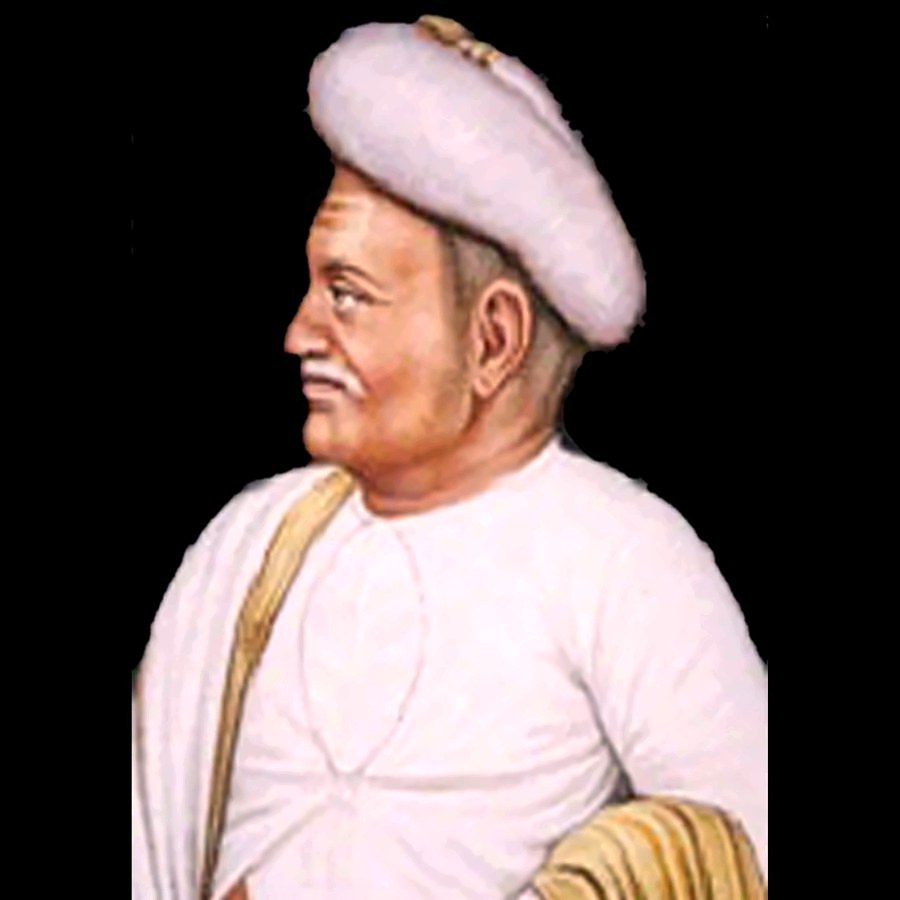
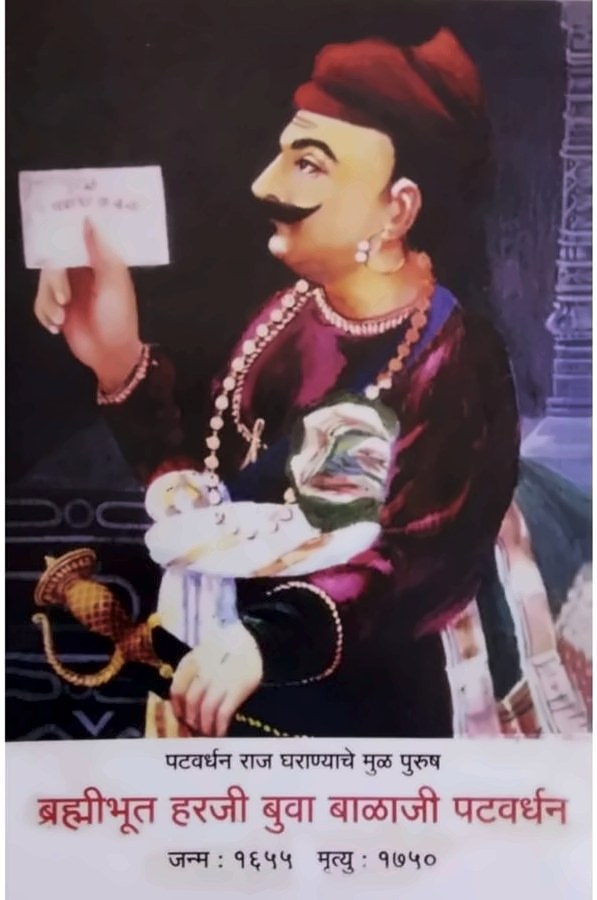
Portrait of Brahmibhoot Haribhat Baba Patwardhan

Brahmibhoot Haribhat Baba Patwardhan

c.1655 – c.1750 · Mul-Purush of the Hari Vansh Patwardhans

Born
Kotawade, near Ganpatipule (Ratnagiri)
Sons
Krishnabhat, Balambhat, Trimbak Hari, Govind Hari, Mahadeobhat, Ramchandra Hari, Bhaskar Hari
Samadhi
Near Omkareshwar, Pune

A devotee of Lord Ganesh who performed long penance at Ganpatipule, Haribhat Baba left the Konkan for the Deccan around the age of forty. At Kapshi he became family priest to the Joshis, close associates of the general Santaji Ghorpade and later Chiefs of Ichalkaranji, and received Kurundwad as an inam. There, on the Krishna, he built the Ganesh temple at Ganeshwadi.

When the Peshwas made his sons Govind Hari and Ramchandra Hari Sardars, the family turned from priests to soldiers. The Peshwas invited Haribhat Baba to live with them; he declined, but settled in Pune in his last years and died there aged about ninety-three. His seven sons founded the Patwardhan houses of Miraj, Sangli, Kurundwad, Jamkhandi, Tasgaon, Chinchni, Amba, Mangalvedha and Shelsat.
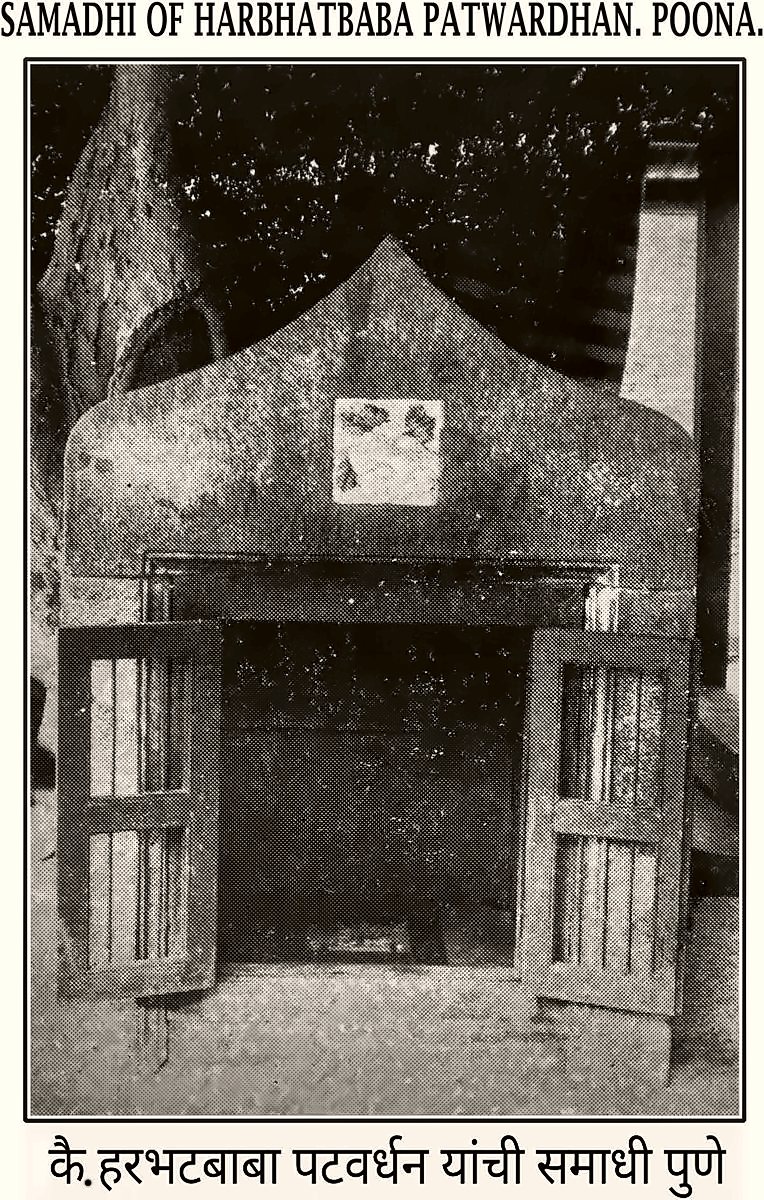
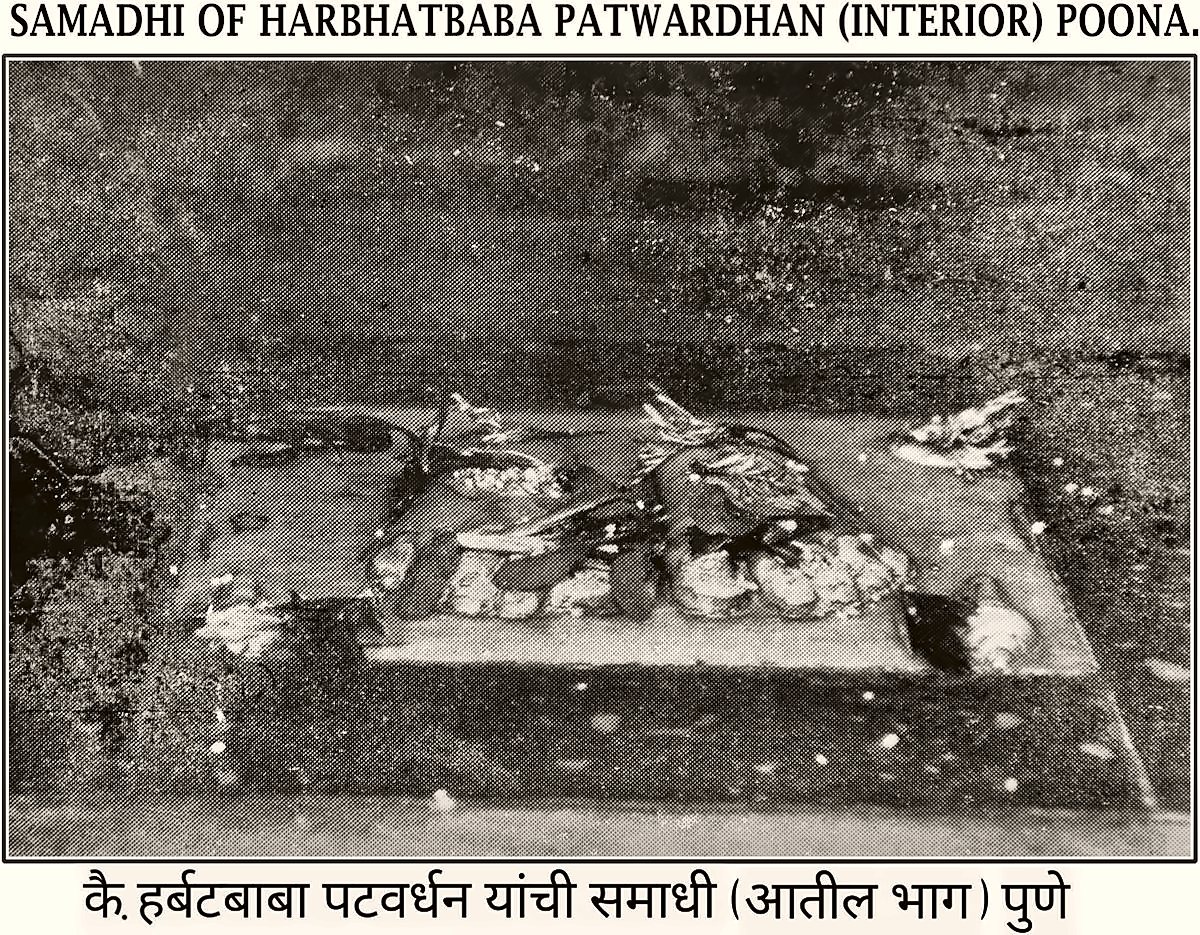
Samadhi of Haribhat Baba, Pune, from the Miraj State Album
Samadhi of Haribhat Baba, Pune
Samadhi of Haribhat Baba, interior, from the Miraj State Album
Samadhi of Haribhat Baba, interior
✦
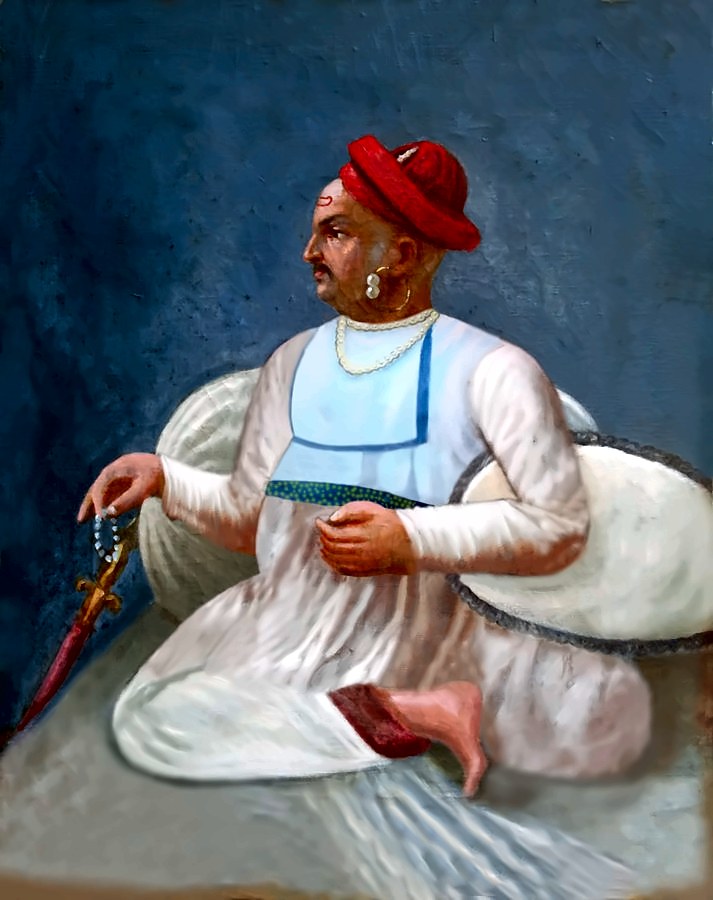
Portrait of Shrimant Gopalrao Govind alias Raosaheb Patwardhan

Shrimant Gopalrao Govind alias Raosaheb Patwardhan

c.1721 – 17 January 1771 · Eldest son of Govind Hari

Commands
Led a battalion from 1749; chief commander of the Patwardhan forces under Peshwa Madhavrao I
Married
Saraswatibai (second wife)
Children
One daughter, Kusha Akka

Trained under Senapati Ghorpade at Bahirewadi, Gopalrao rode with his father from the age of fifteen. He is remembered as one of the Sadetin Raos, the “three and a half” great captains of the Peshwai, alongside Bhavanrao Pratinidhi, Murarrao Ghorpade and, as the half, Peshwa Madhavrao himself.

Key campaigns

  • 1751: arrested Damaji Gaikwad during the campaign against the Gaikwads.
  • 1757: Srirangapatna campaign against Mysore.
  • 1760: took the strong fort of Daulatabad from the Nizam by blockade after the Battle of Udgir; praised by Nanasaheb Peshwa as a “stern soldier”.
  • 1762–63: kept the family’s army in the field while Raghunathrao besieged Miraj.
  • 1764–1770: chief commander in the campaigns against Hyder Ali.

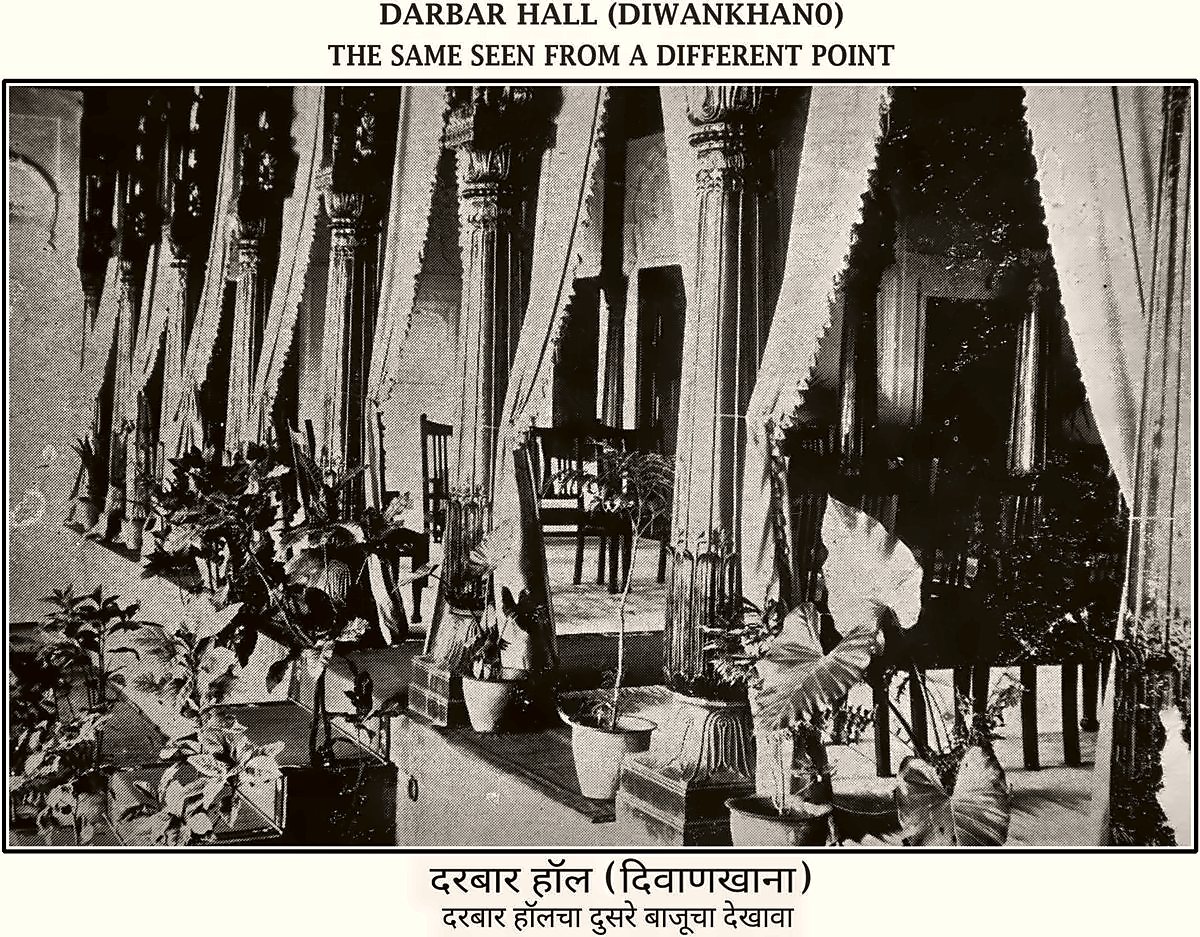
Such was his name that when a moneylender calling himself “Gopalrao” arrived in Pune, Peshwa Madhavrao had him fined, declaring there was only one Gopalrao, the Patwardhan of Miraj. Gopalrao fell ill on campaign and died at Mhaisal on his way home, before he could see the Darbar Hall he had commissioned at Miraj.

Darbar Hall (Diwankhana), from the Miraj State Album
Darbar Hall (Diwankhana)
✦
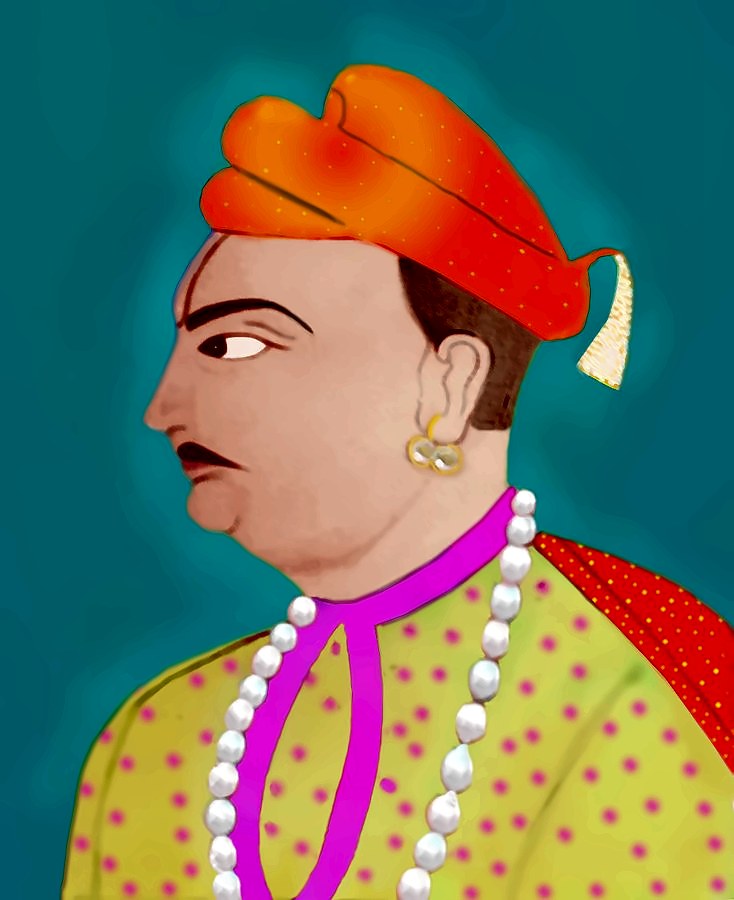
Portrait of Shrimant Parshuram Bhau Patwardhan

Shrimant Parshuram Bhau Ramchandra Patwardhan

Son of Ramchandra Hari · Tasgaon · Fell at Pattankudi, 1799

Jagir
Tasgaon, granted in 1774
Sons
Ramchandra Appa (Jamkhandi), Ganpatrao (Tasgaon), Madhavrao

Nephew of Govind Hari and the most celebrated general of the family. His father died when he was a boy, and Govind Hari’s son Gopalrao led his troops until he came of age. He first led an army at Srirangapatna in 1757 and became the family’s commander after 1777.

Key campaigns

  • 1773–74: during the Barbhai, helped protect the seat of the Peshwas from Raghunathrao.
  • 1781: cut off British supplies at Borghat, frustrating their march on Pune.
  • 1790–92: commanded the Maratha army with the British and the Nizam against Tipu Sultan, reaching Srirangapatna.
  • 1795: led the combined Maratha chiefs (Shinde, Holkar, Bhonsle, Gaikwad and the Patwardhans) to victory over the Nizam at Kharda.

At Tasgaon he built a wada and a Ganesh Panchayatan temple in the southern style, and renovated the Hatkeshwar temple. He fell at the Battle of Pattankudi in 1799; his remains were cremated at Hamidwadi, where a monument stands.

Under the Peshwas

Saranjamdars of Miraj, 1761–1801

From the grant of Miraj in 1761 until the division of 1801, the Saranjam passed through Govind Hari and his sons and grandsons, most of whom gave their lives in the service of the Maratha Empire.

I
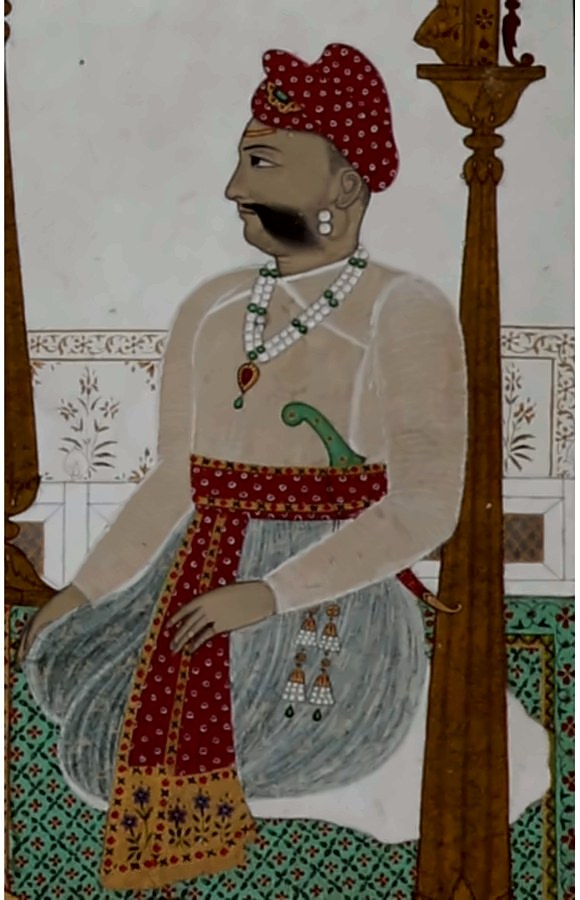
Portrait of Shrimant Govind Hari Patwardhan

Shrimant Govind Hari Patwardhan

c.1698 – 21 November 1771 · Founder of the Miraj line

Saranjam
Miraj Fort and territory, granted by Peshwa Madhavrao I in 1761
Married
Satyabhamabai Patankar
Sons
Gopalrao, Wamanrao, Pandurangrao, Gangadharrao
Samadhi
Near the Krishna ghat, Miraj

Fourth son of Haribhat Baba. He became a Sardar under Bajirao I around 1730 and received the phadnisi of the Kadambande paga in 1736. With the Shindes, Holkars and Gaikwads, the Patwardhans were counted among the principal Sardars of the Peshwai. In 1764 he commanded 4,600 horse of the family’s 8,000.

Key campaigns

  • 1728–29: Malwa, with Bajirao I.
  • 1731: Dabhoi, against Trimbakrao Dabhade.
  • 1737: the march on Delhi.
  • 1741–49: Bundelkhand and northern India.
  • 1760: Udgir, against the Nizam.
  • Dec 1762 – Feb 1763: defended Miraj, aged sixty-five, against Raghunathrao’s army of some 50,000 with about 1,500 men.

A devotee of Pandurang, he built a wada at Govindpura and, at his father’s wish, founded Haripur near Sangli with Vedic and Sanskrit schools. After the deaths of Gopalrao and Neelkanthrao in 1771 he withdrew from war, and died at Miraj that November.

II

Portrait not available

Shrimant Wamanrao Govind alias Balasaheb Patwardhan

1725 – 2 October 1775 · Saranjamdar 1772–1775

Second son of Govind Hari. As Gopalrao had died in their father’s lifetime, the Saranjam passed to Wamanrao, who was invested with the dress of honour by Peshwa Madhavrao I in 1772. He had inherited his father’s military gifts: at the Battle of Moti Talav on 8 March 1771 he helped inflict a crushing defeat on Hyder Ali near Srirangapatna, capturing some forty guns and twenty-five elephants.

He suffered from a chest ailment and died young, without an heir, at Warangaon on the Tapi in Khandesh.

III

Portrait not available

Shrimant Pandurangrao Govind alias Tatyasaheb Patwardhan

1736 – 4 November 1777 · Saranjamdar 1776–1777

Sons
Hariharrao, Chintamanrao Appasaheb, Vithalrao Bapusaheb

Third son of Govind Hari, more a man of administration than of the battlefield. In 1776 Sawai Madhavrao Peshwa, on the advice of Nana Phadnis, gave him the vastra of Miraj with 8,000 horse and restored to him the Kadambande paga his father had held.

Sent south against Hyder Ali, he fought at Swashi on the Kundgol plain. Wounded on the head, nose and back, he was captured on 2 January 1777 and taken to Srirangapatna, where he died in prison of fever that November. Before his death he wrote out his wishes for his younger brother Gangadharrao. The historian Khare Shastri called Swashi “the beginning of the bad days for the Patwardhan family”.

IV

Portrait not available

Shrimant Hariharrao Pandurang Patwardhan

Died 1782 · Saranjamdar 1778–1782

Eldest son of Pandurangrao, he was invested with the Saranjam of Miraj by Sawai Madhavrao Peshwa at Purandar on 1 October 1778, with the support of Parshuram Bhau. Well versed in the art of war, he fought beside Parshuram Bhau against the British at Borghat in January 1781. His promising career was cut short by his death in 1782, without an heir.

V
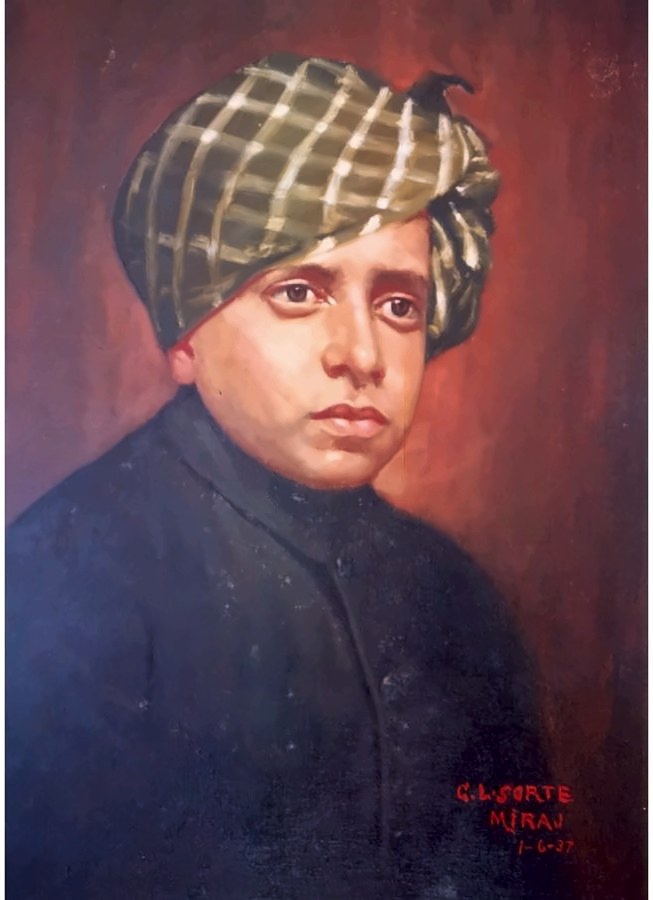
Portrait of Shrimant Chintamanrao Appasaheb Patwardhan

Shrimant Chintamanrao Pandurang alias Appasaheb Patwardhan

Saranjamdar of Miraj from 1782 · Founder of Sangli State, 1801

Second son of Pandurangrao, he succeeded his brother at the age of about eight, with his uncle Gangadharrao managing Miraj and Parshuram Bhau leading its troops. During the Barbhai he guarded Gangabai, widow of Peshwa Narayanrao, at Purandar, and he campaigned with Parshuram Bhau in Karnataka in 1798.

Relations with his uncle grew strained, and in 1801 the Jagir was divided. Chintamanrao left Miraj and established his capital at Sangli, seven miles away, building the Ganesh Durg, a Ganesh temple and a Darbar Hall. He became the first Chief of Sangli; his descendants ruled Sangli State, while Gangadharrao’s line continued at Miraj.

The Gadi of Miraj

Rulers of Miraj (Senior)

I
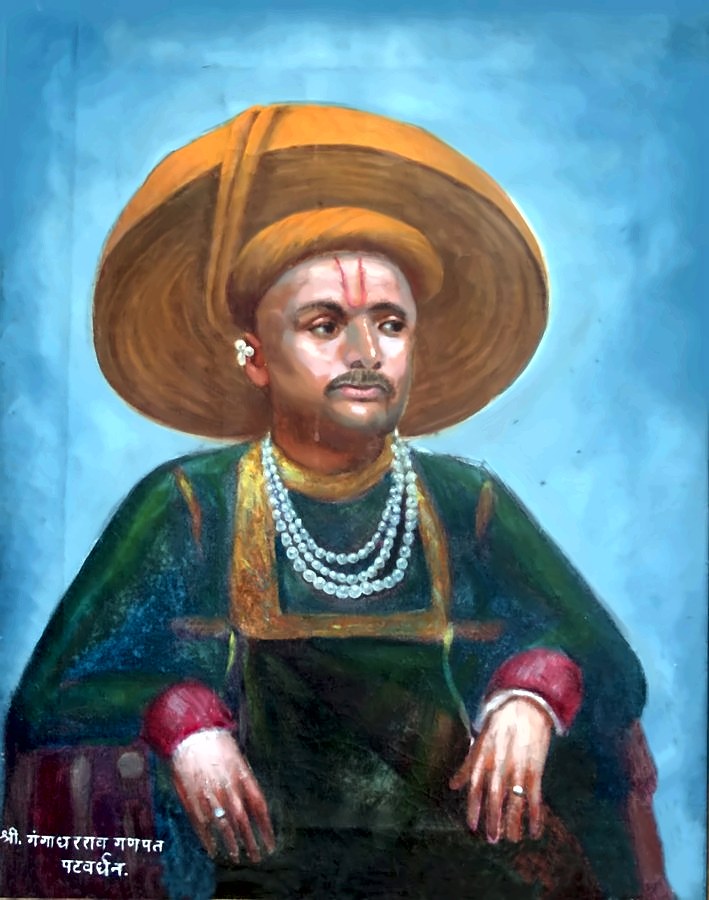
Portrait of Shrimant Gangadharrao Govind alias Balasaheb Patwardhan (I)

Shrimant Gangadharrao Govind alias Balasaheb (I)

Born 1741 · Head of Miraj after 1801

Father
Govind Hari (fourth son)
Sons
Keshavrao, Narayanrao, Madhavrao, Govindrao, Gopalrao
Succeeded by
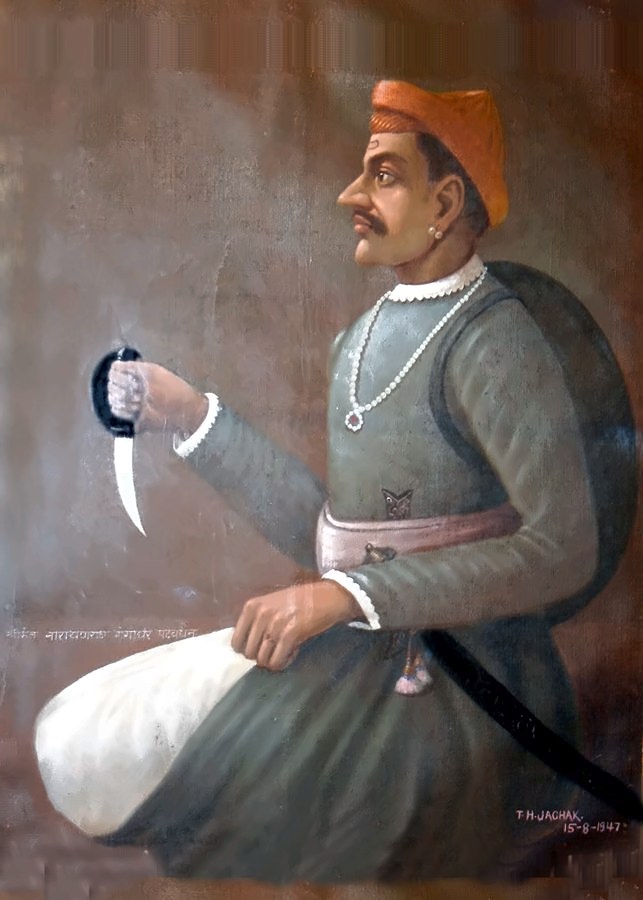
Narayanrao Gangadharrao

He managed Miraj for many years during the minority of his nephews and, after the division of 1801, became head of the Miraj house. He fought the Bhonsles of Nagpur, Hyder Naik and Dhondoji Wagh, and kept close relations with Nana Phadnis and Parshuram Bhau. In 1808 the Peshwa recognised his rights over Miraj, and the Treaty of Pandharpur of 1812 settled the Patwardhan domains.

Works at Miraj

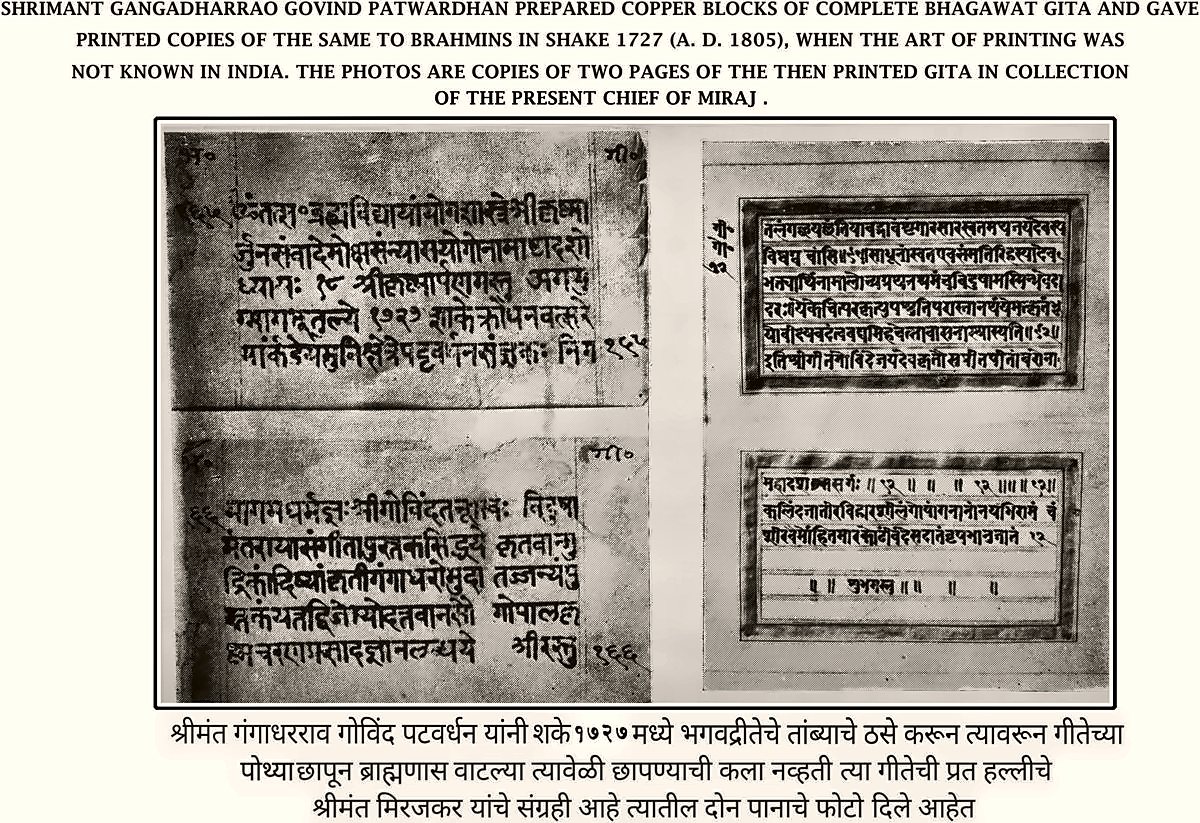
  • Had copper blocks made of the complete Bhagavad Gita and gave printed copies to Brahmins in Shake 1727 (1805).
  • Set up a mint whose coins were known as the Miraj Agyyari.
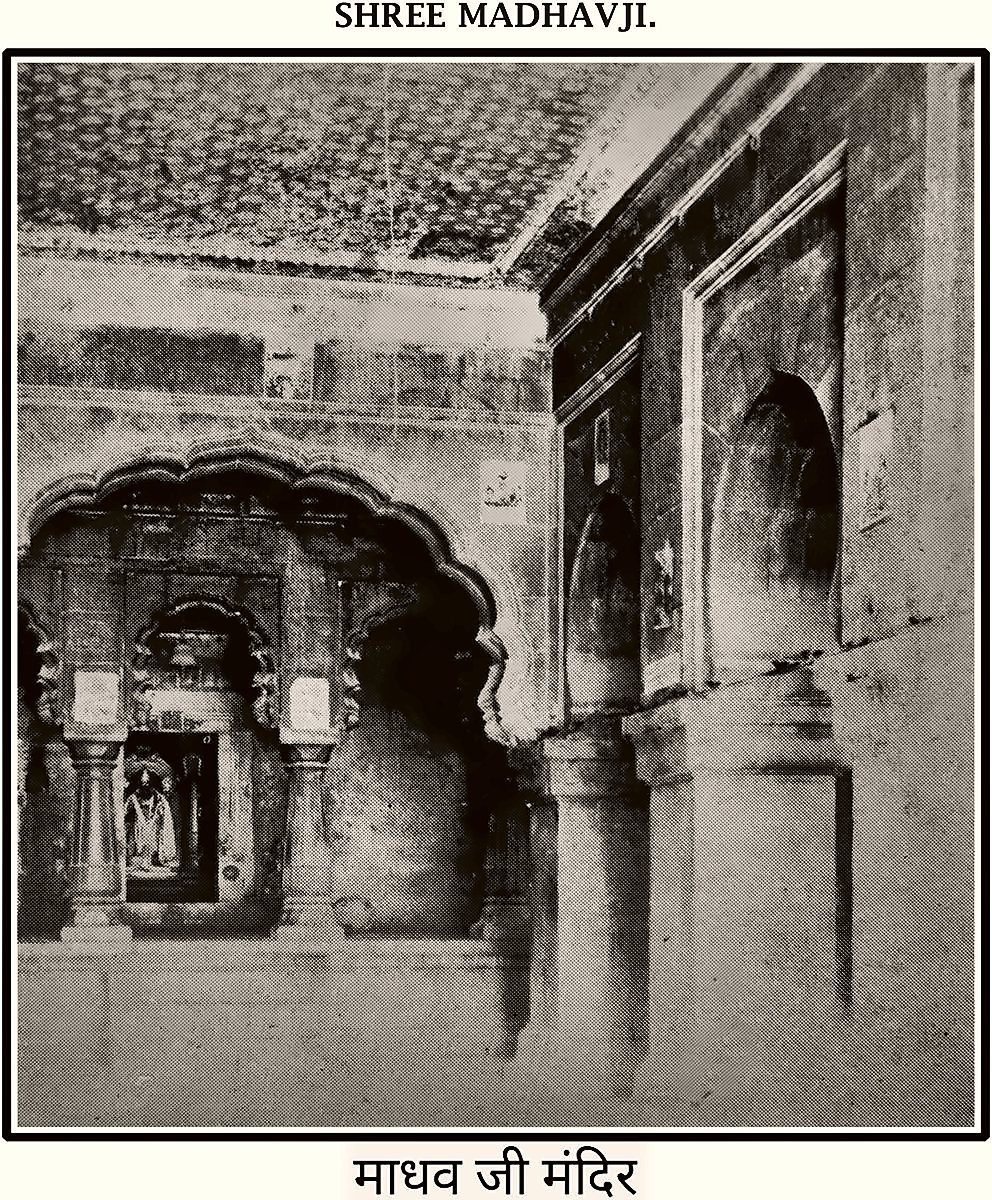
  • Built a ghat on the Krishna and the Madhavji Mandir in the fort.
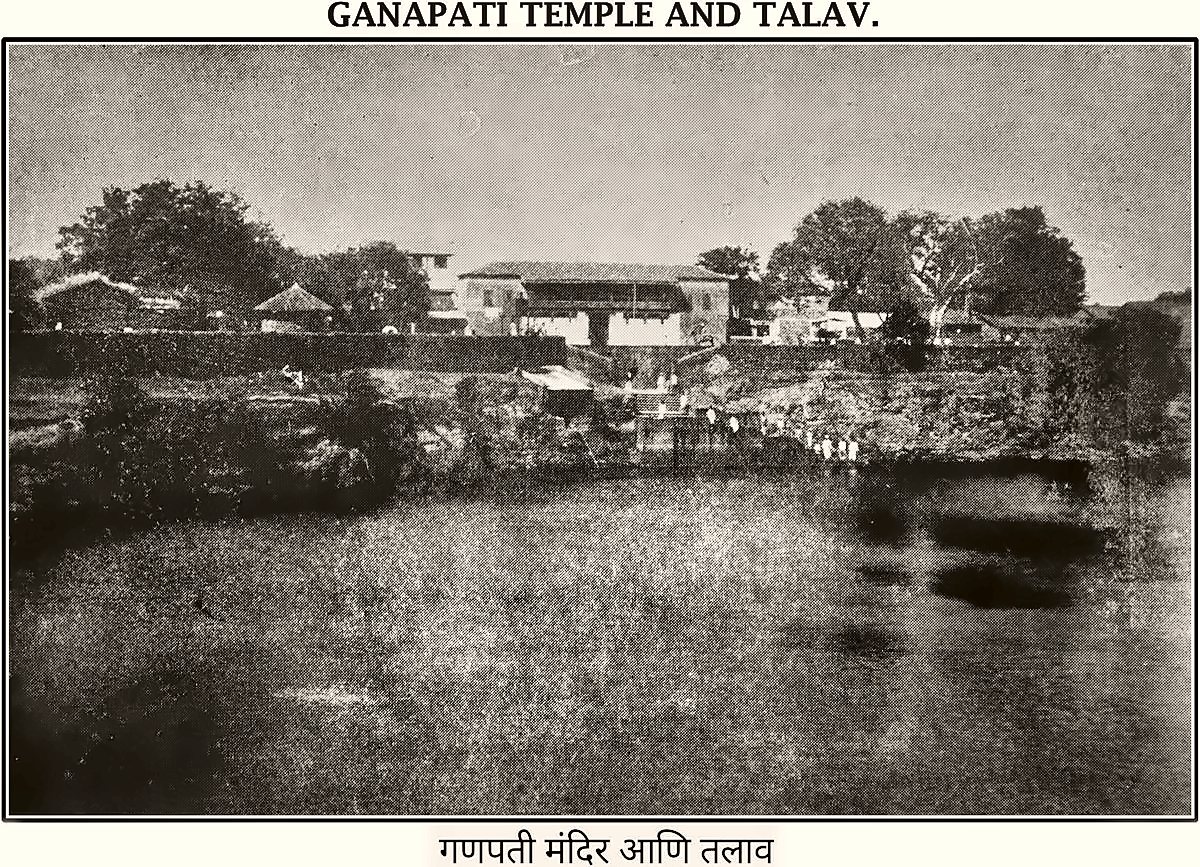
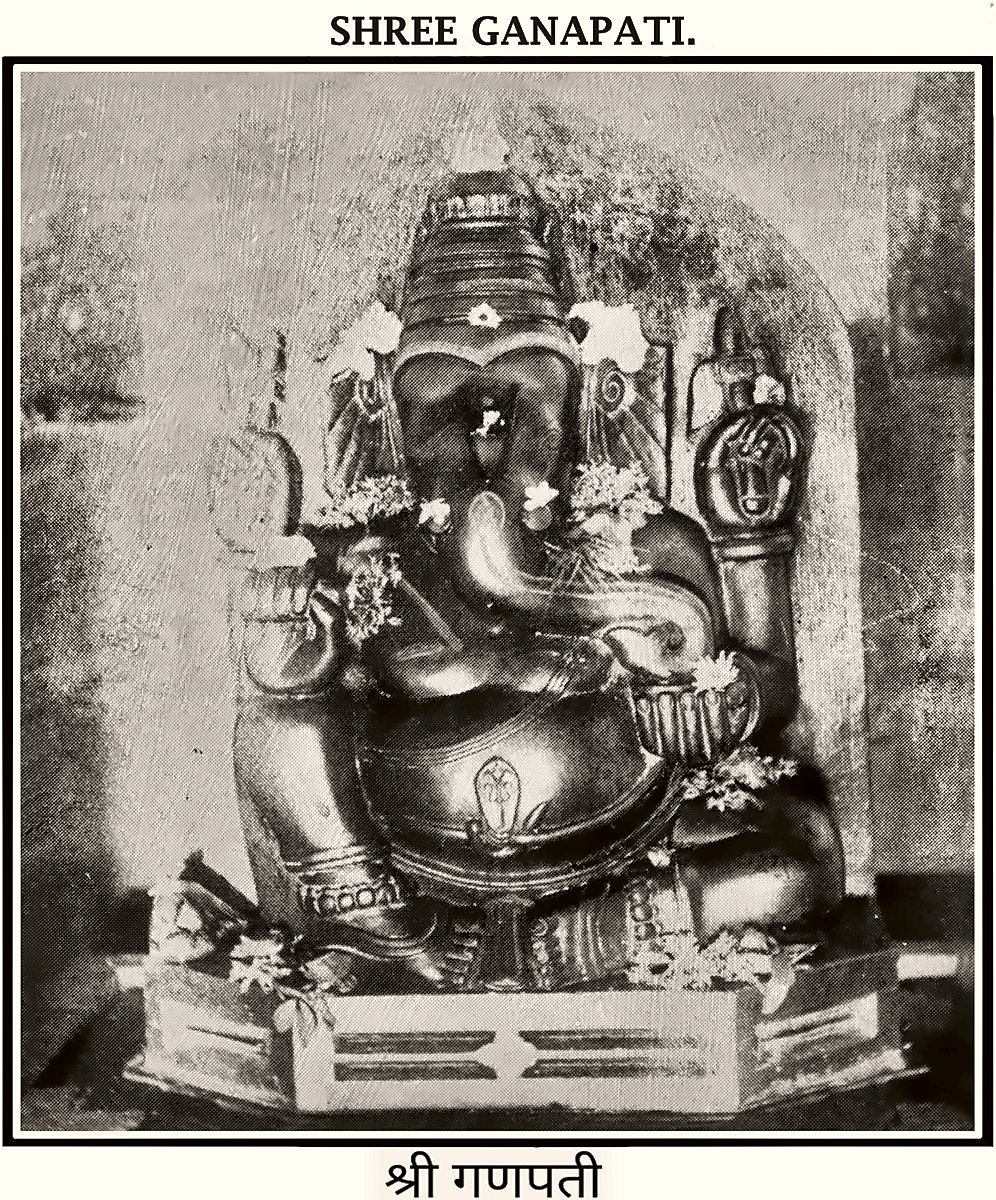
  • Built the Ganesh Mandir in 1799 at a cost of Rs 40,000, with the tank at Ganesh Peth.
The Gita printed at Miraj, 1805, from the Miraj State Album
The Gita printed at Miraj, 1805
Shree Madhavji Mandir, from the Miraj State Album
Shree Madhavji Mandir
Ganapati Temple and Talav, from the Miraj State Album
Ganapati Temple and Talav
Shree Ganapati, from the Miraj State Album
Shree Ganapati
II
Portrait of Shrimant Narayanrao Gangadharrao alias Tatyasaheb Patwardhan (I)

Shrimant Narayanrao Gangadharrao alias Tatyasaheb (I)

Died 1815

Father
Gangadharrao I (second son)
Sons
Ganpatrao, Moreshwar
Succeeded by
Ganpatrao Narayanrao

He fought in the Battle of Kharda in 1795 alongside Parshuram Bhau, and succeeded his father on the Gadi of Miraj. He died in 1815, leaving a young son.

III

Portrait not available

Shrimant Ganpatrao Narayanrao alias Tatyasaheb

Ruled 1815 – 1833

Sons
Gangadharrao Balasaheb, Narayanrao Dadasaheb
Succeeded by
Gangadharrao Ganpatrao

He became Jahagirdar of Miraj in the last years of Bajirao II while still a minor, his uncle managing the administration. In 1820, at his uncle’s request and with the approval of the British Government, the Jagir was divided into parts: Miraj remained with Ganpatrao, while Soni, Miraj Mala and Supari went to other branches. Soni and Supari later lapsed to the British for want of heirs.

IV
Portrait of Shrimant Gangadharrao Ganpatrao alias Balasaheb Patwardhan (II)

Shrimant Gangadharrao Ganpatrao alias Balasaheb (II)

Ruled 1833 – 22 December 1861

Regent
His uncle Moreshwar Narayan, until 1 February 1849
Succeeded by
Ganpatrao Tatyasaheb (II), by adoption

He succeeded as a minor and took charge of the State on 1 February 1849. A man of deep faith, he invited Swami Niranjan Raghunath to Miraj in 1845 and became his disciple; in 1855 the Swami installed the Ek Mukhi Datta at the Madhavji temple, and took samadhi in the Krishna that Bhadrapad.

Having no son, he adopted Trimbakrao from the family of Balambhat, the Patwardhans of Miraj Killa, who became Ganpatrao Tatyasaheb.

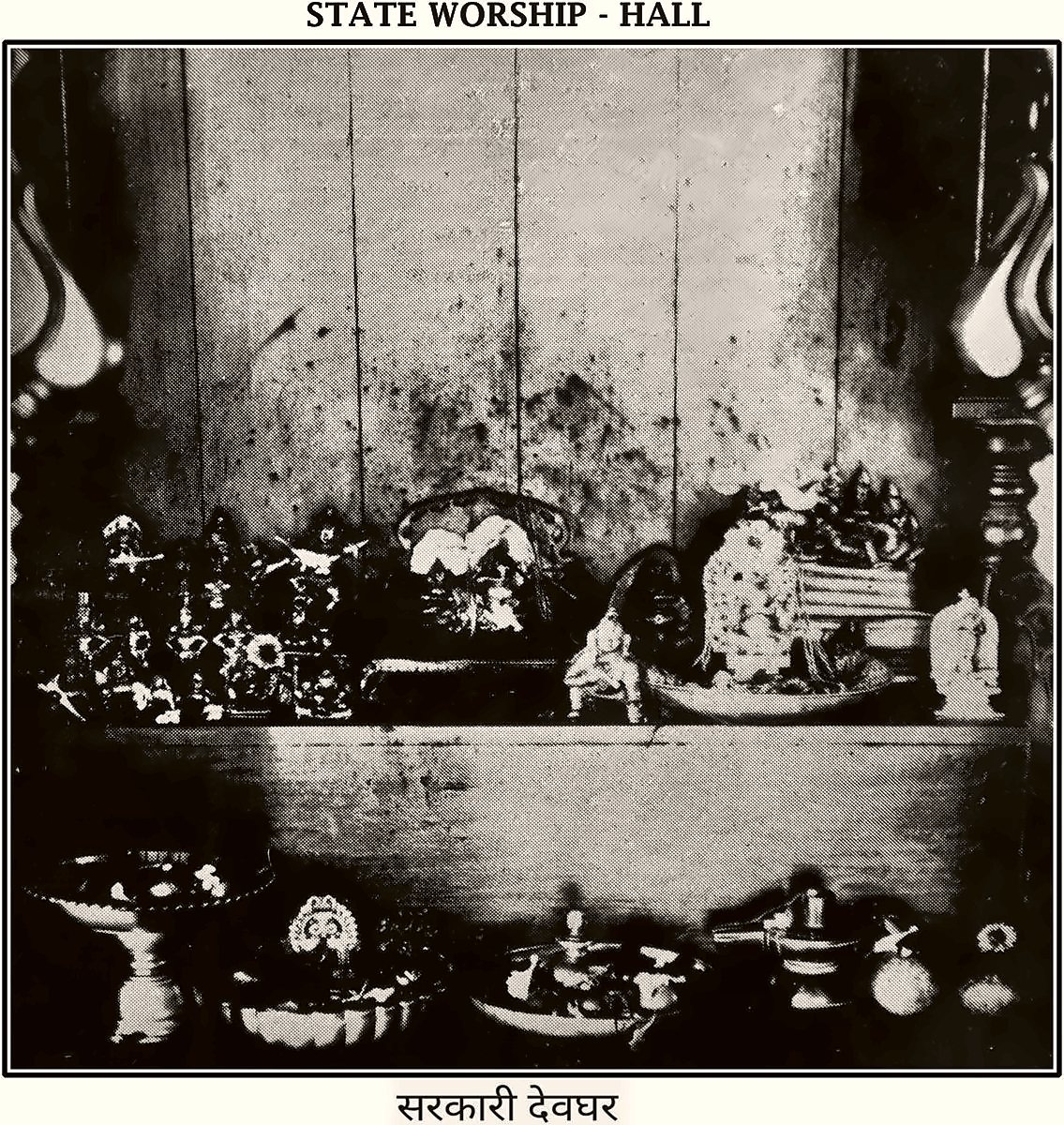
State Devghar, from the Miraj State Album
State Devghar
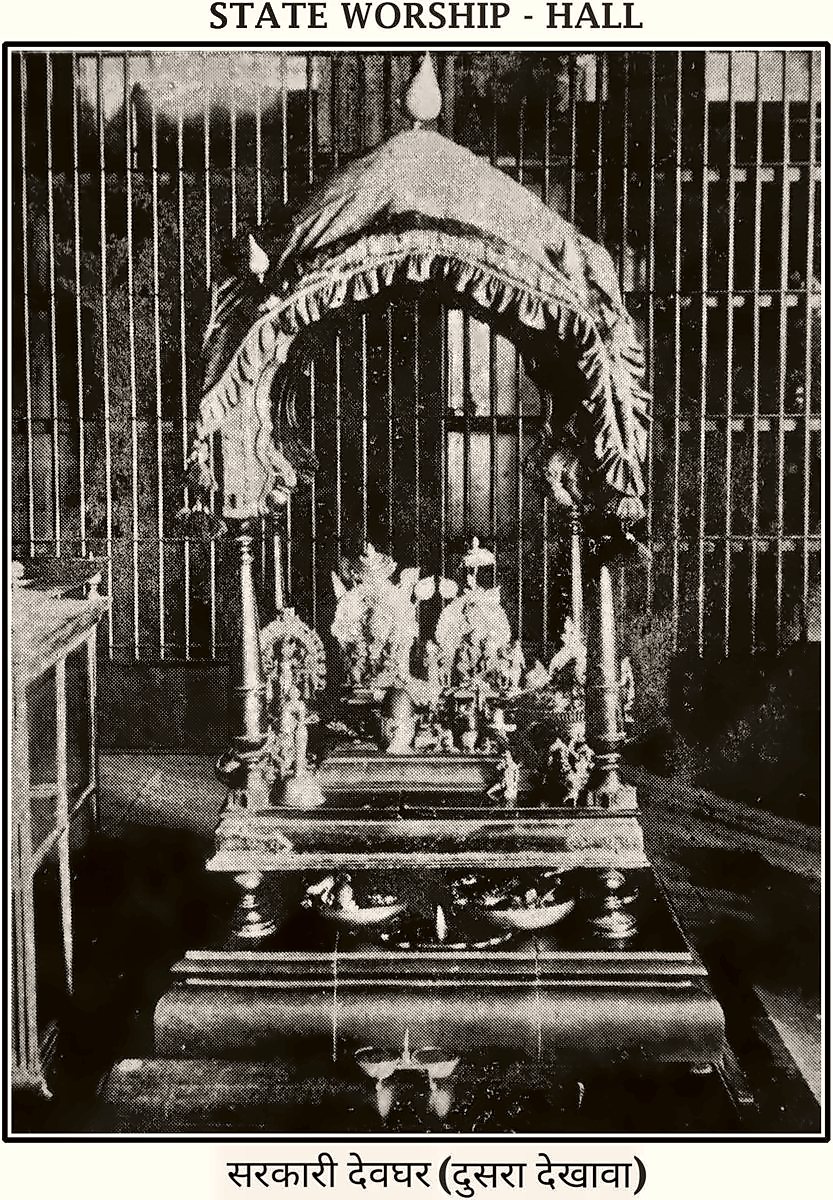
State Devghar, another view, from the Miraj State Album
State Devghar, another view
V
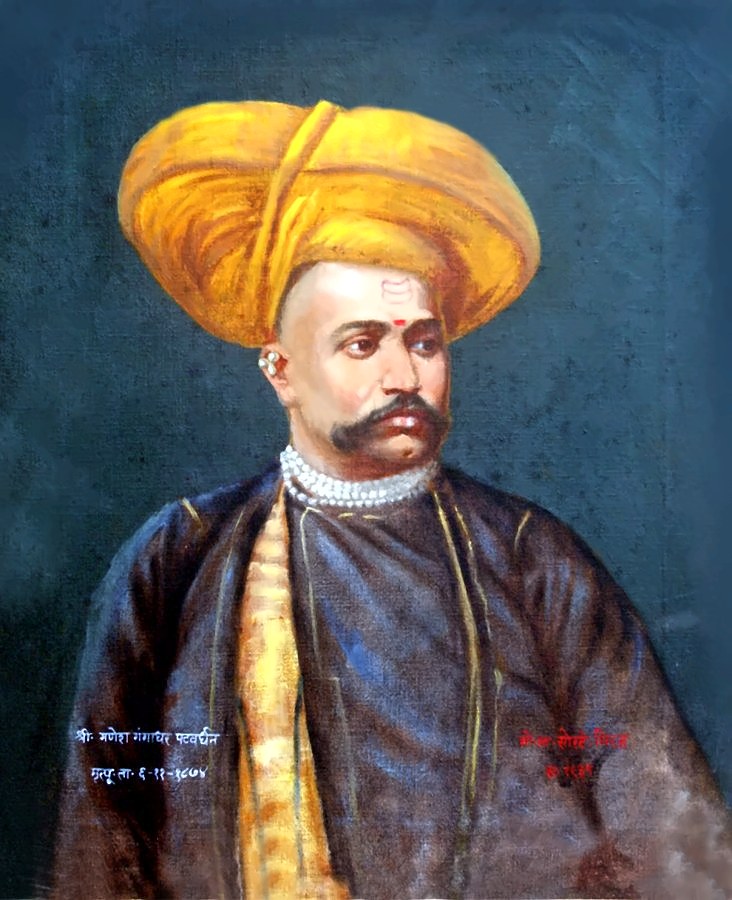
Portrait of Shrimant Ganpatrao alias Tatyasaheb Patwardhan (II)

Shrimant Ganesh Gangadharrao alias Ganpatrao Tatyasaheb (II)

Ruled 1861 – 6 November 1874

Born
Trimbakrao, of the Miraj Killa Patwardhans
Married
Gangabaisaheb
Succeeded by
His Highness Shrimant Sir Gangadharrao Ganesh, by adoption

During his minority the British Government administered the State through Ganesh Narayan Kale. He kept a diary in English of his life at Miraj and his journeys to Bombay and Sangli, and sat on the Privy Council at Bombay.

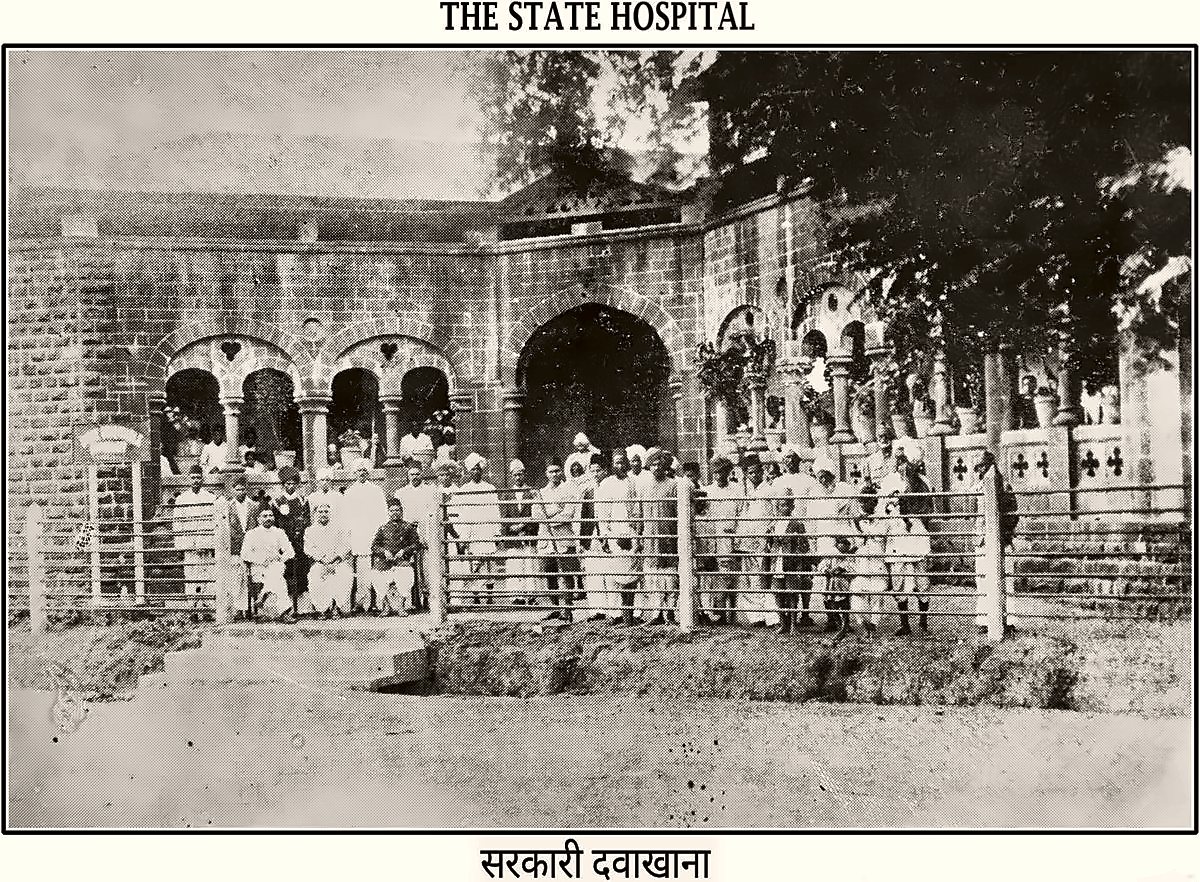
He opened the State’s Government Hospital in 1864, and was the first Patwardhan to be photographed, encouraging the Chatre Photo Studio at Miraj.

State Hospital, from the Miraj State Album
State Hospital
VI
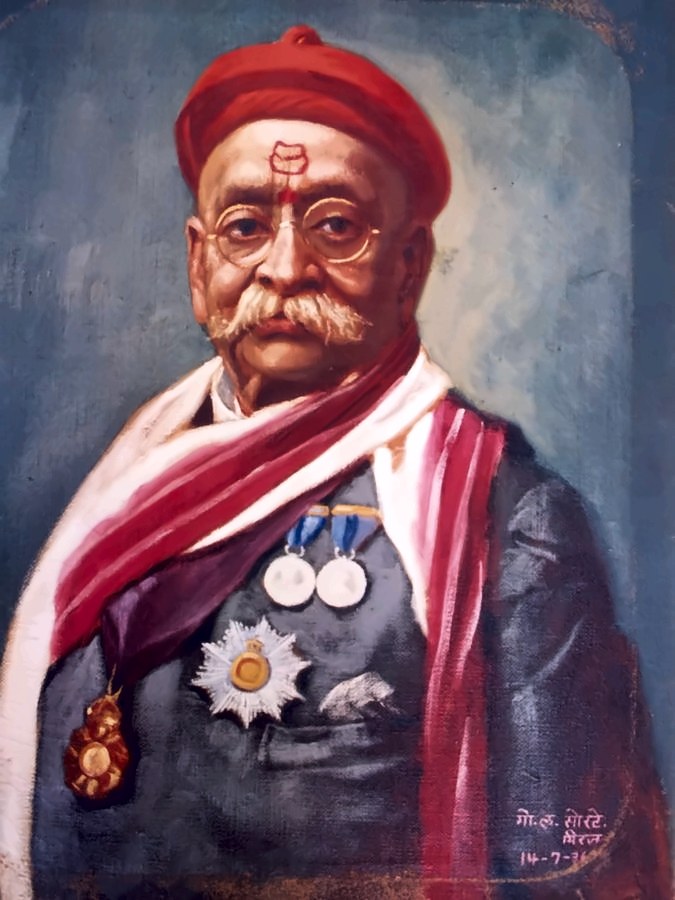
Portrait of His Highness Shrimant Sir Gangadharrao Ganesh alias Balasaheb Patwardhan, K.C.I.E.

His Highness Shrimant Sir Gangadharrao Ganesh alias Balasaheb (III), K.C.I.E.

6 February 1866 – 21 December 1939 · Ruled 1874–1939

Born
Gopalrao, at Baramati, of the junior Sangli branch
Educated
Rajaram College, Kolhapur
Married
Umabai Saheb (née Durgabai Joag), 1881
Heir
His Highness Narayanrao Tatyasaheb Maharaj

Adopted into the Miraj family, he took charge of the State at a great Darbar on 7 February 1887 and ruled for fifty-three years. His subjects called him “Edje Man Saheb”; he kept harmony between Hindus and Muslims and was a trustee of the Mirasaheb Dargah.

His legacy

  • Music: patron of Pt. Balkrishnabuva Ichalkaranjikar and Pt. Vishnu Digambar Paluskar; built the Hansa Prabha Theatre in 1898, where Bal Gandharva first performed in Miraj.
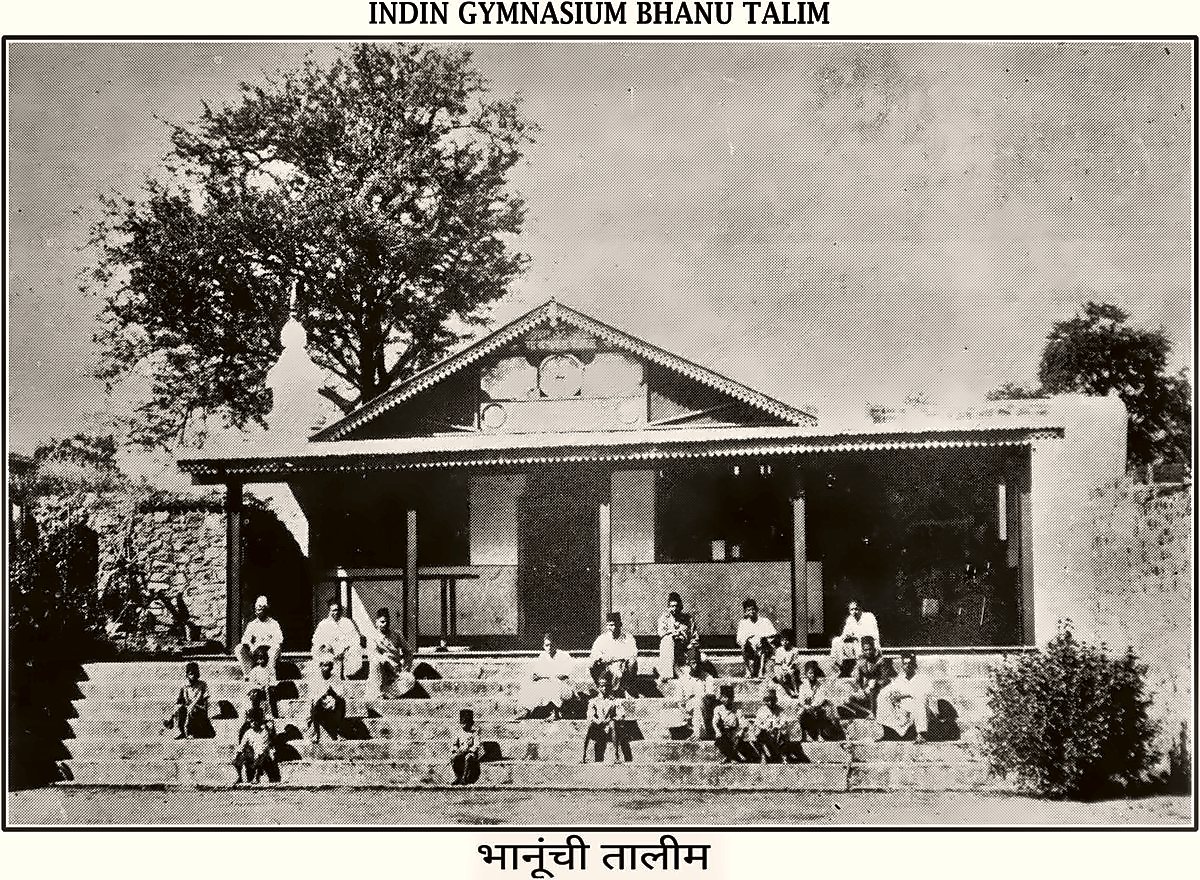
  • Wrestling and fitness: founded the Ambabai and Bhanu Talims, wrote two volumes on Malla Vidya and created the Surya Namaskar Jubilee Trust.
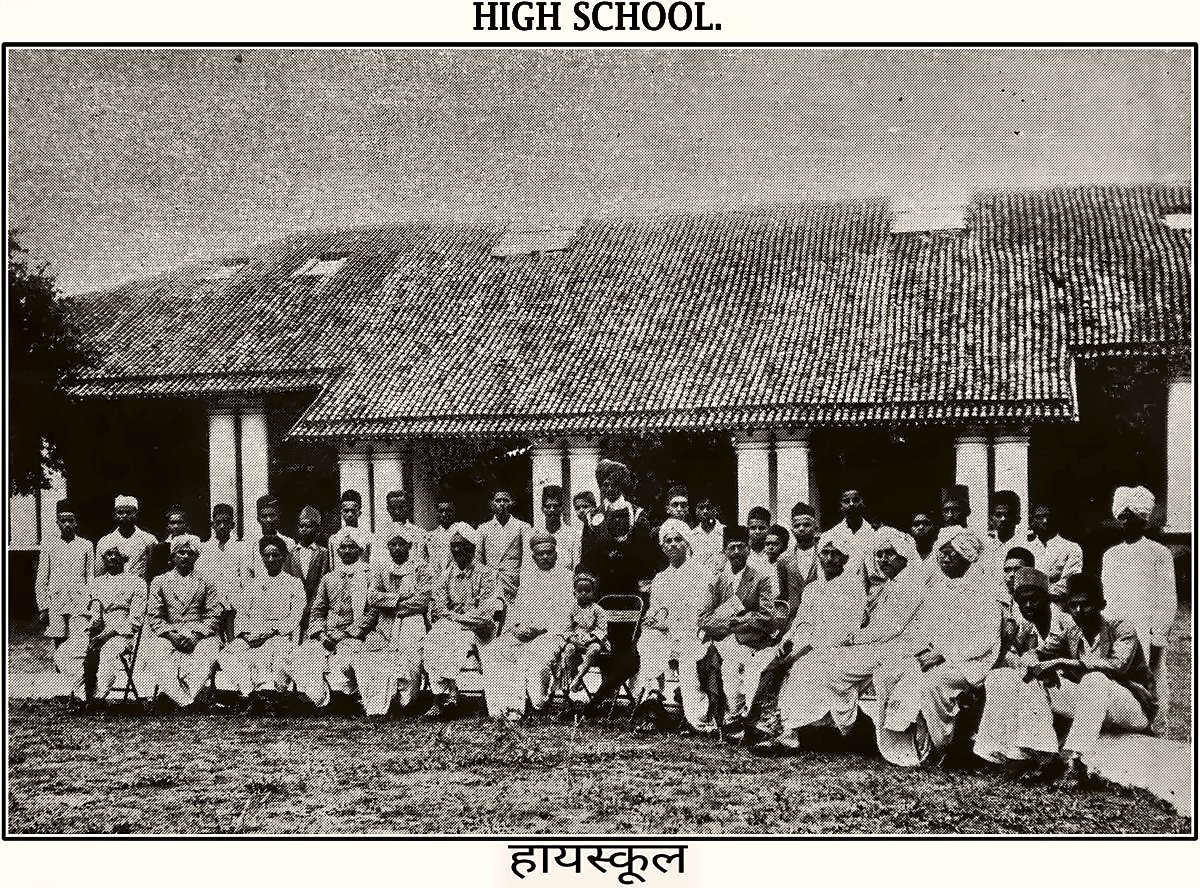
  • Learning: founded Jubilee Kanya Shala, Miraj High School and the Jubilee Library; Vice-President of the Deccan Education Society; presided over the Akhil Bharatiya Sahitya Sammelan in 1915; commissioned Khare Shastri’s fifteen volumes of Patwardhan history.
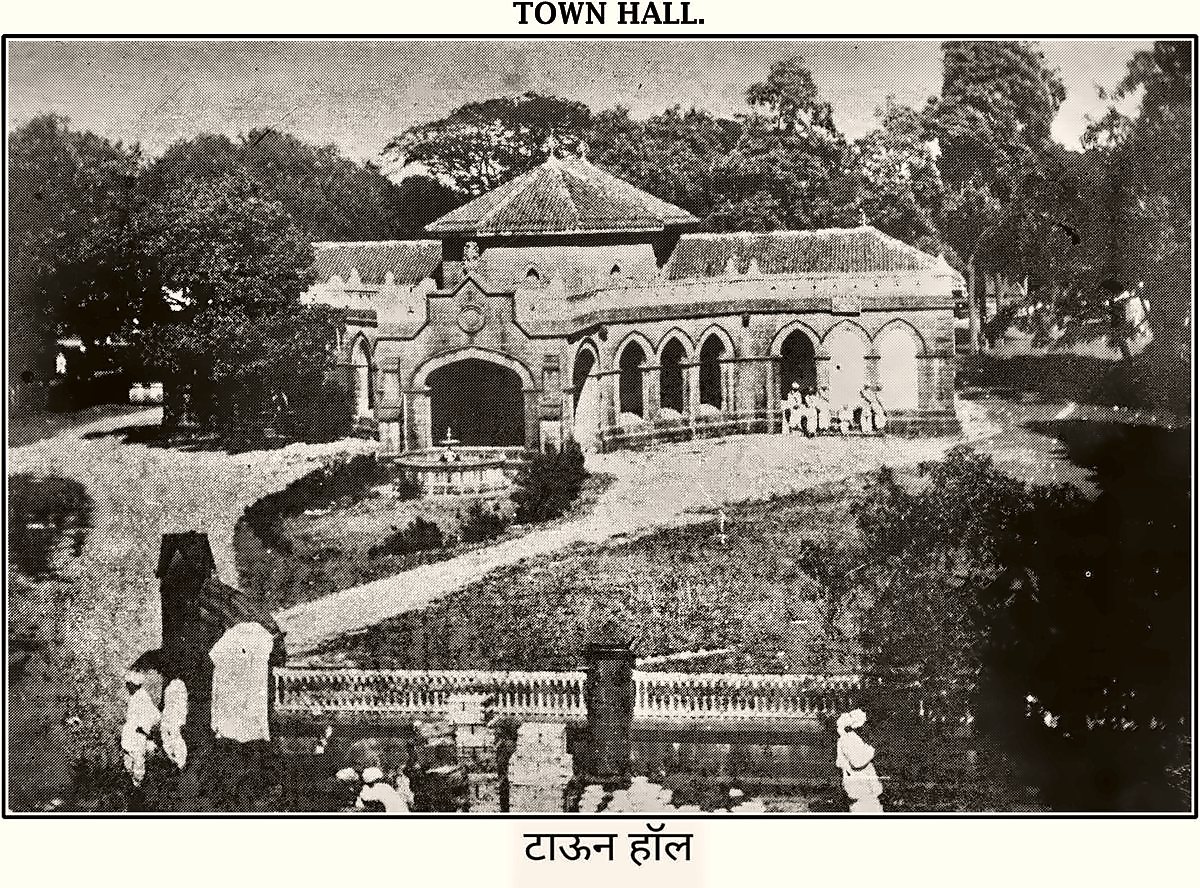
  • Public works: the Town Hall (built as famine relief), Tandul Market, Hindu Dharmashala, Namdeo Mandir and land for the Mission Hospital.
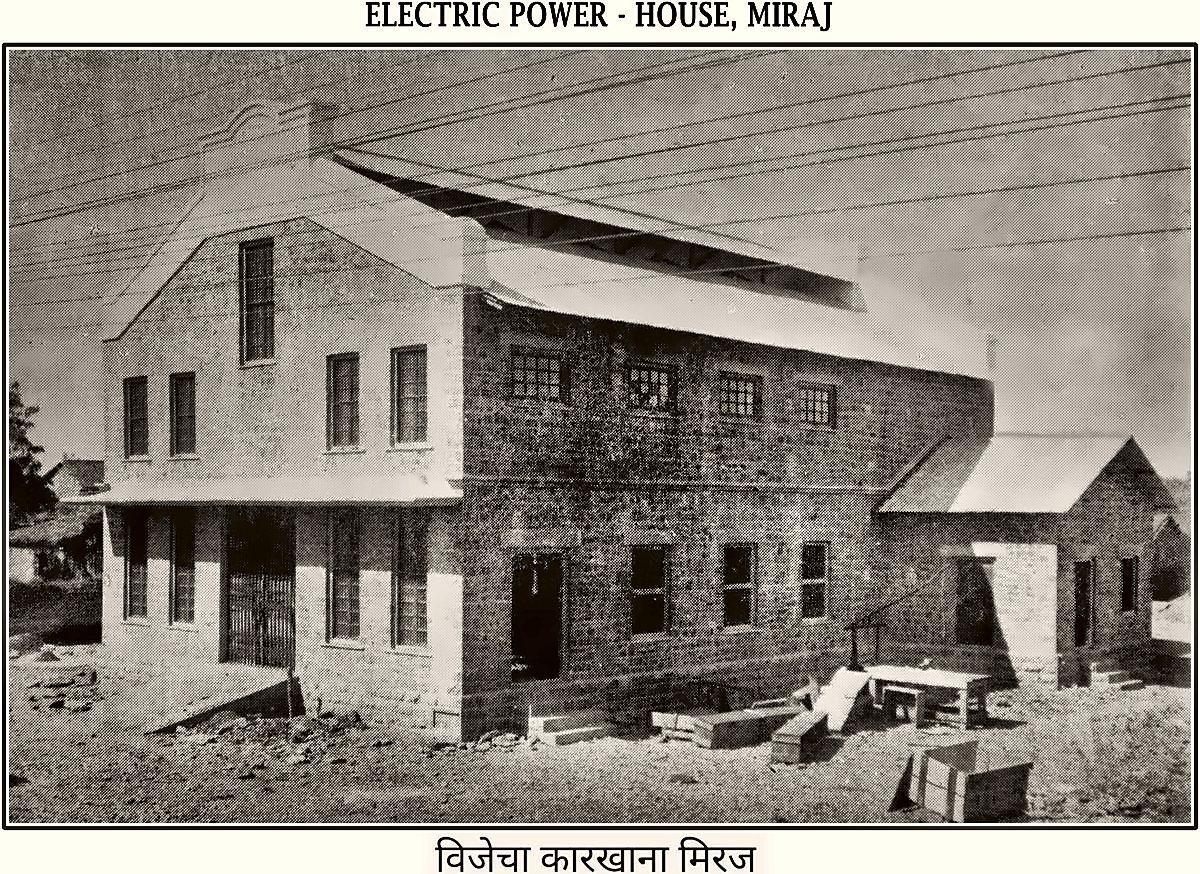
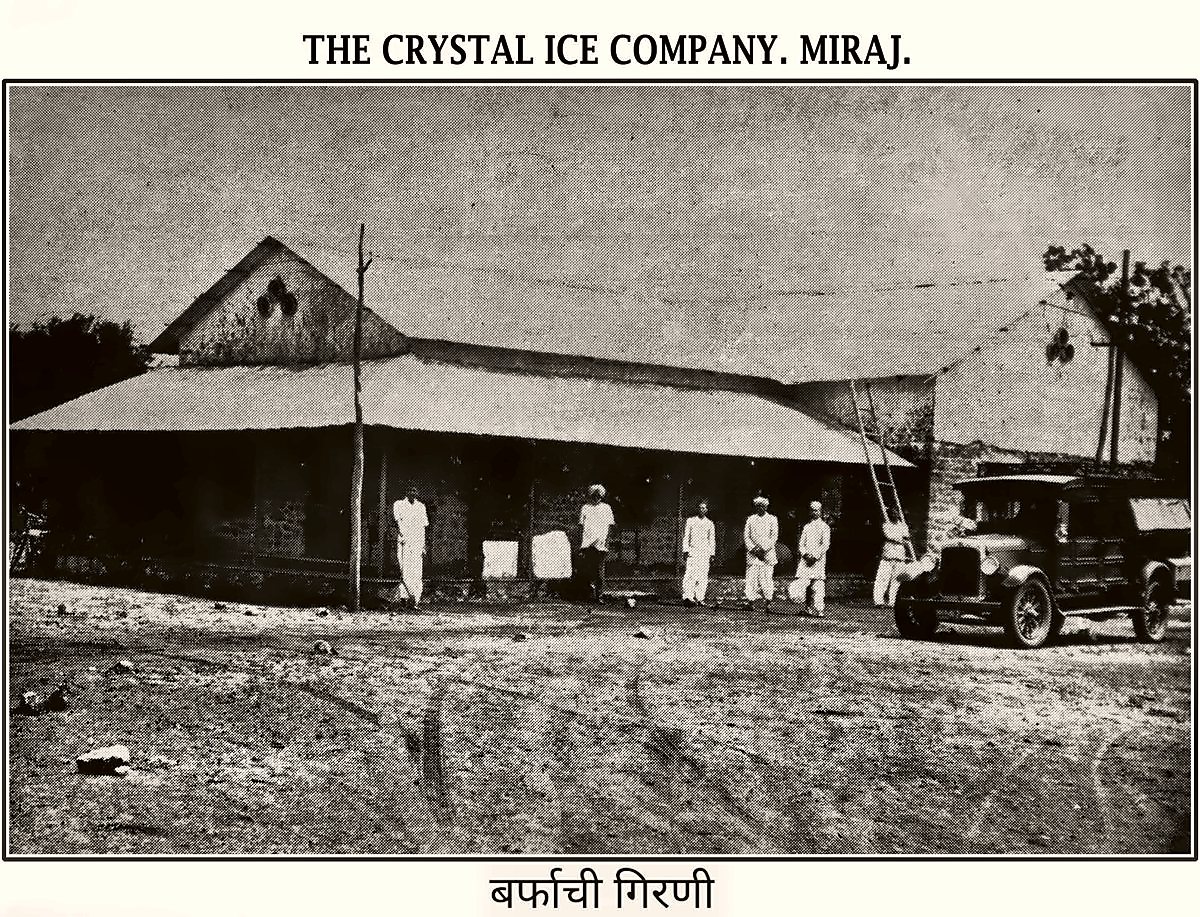
  • Industry: the Power House that brought electricity to Miraj, the Crystal Ice Factory and the Ganesh Kalagraha workshops.
  • Beyond Miraj: founded Uma Vidyalaya at Modnimb in memory of his wife, bought Sindola Park at Mahabaleshwar (1885) and Miraj House in Pune (1907).
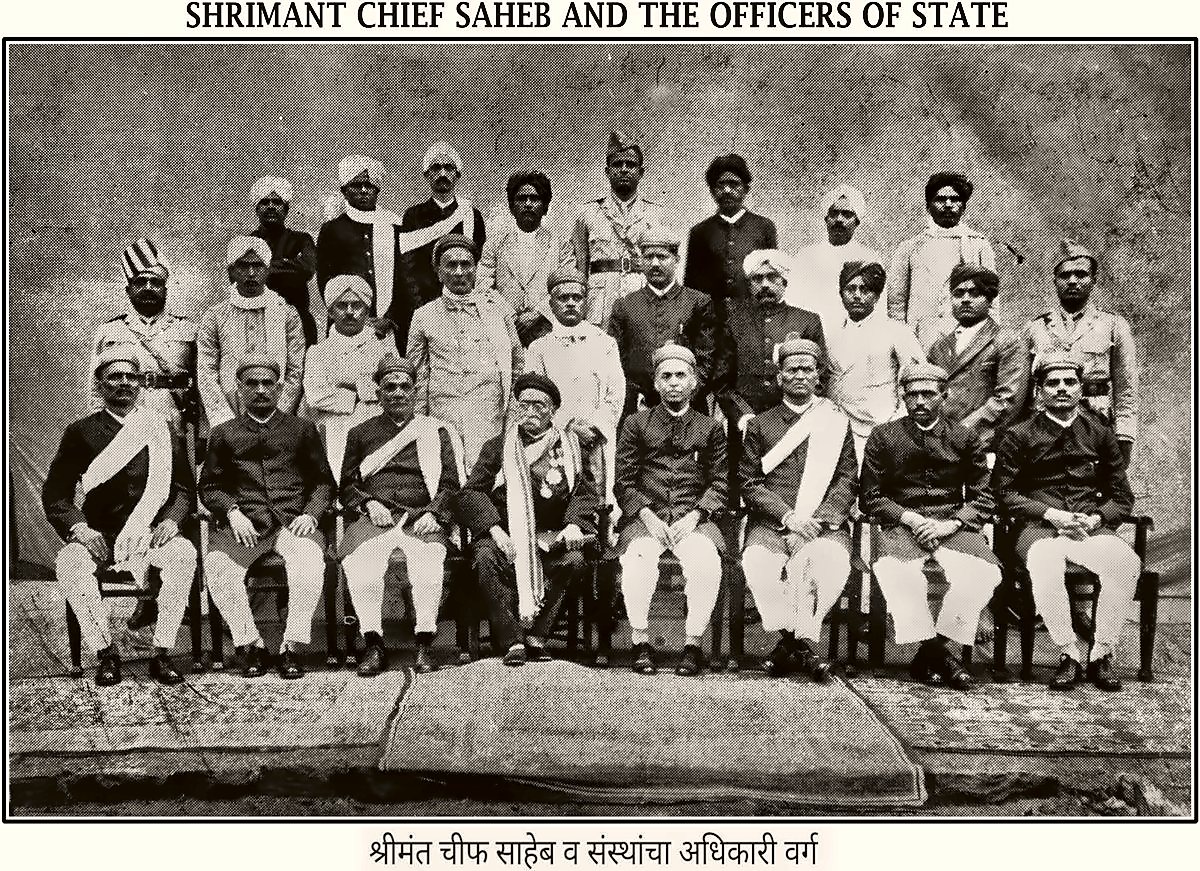
Shrimant Chief Saheb and the Officers of State, from the Miraj State Album
Shrimant Chief Saheb and the Officers of State
Town Hall, from the Miraj State Album
Town Hall
Miraj High School, from the Miraj State Album
Miraj High School
Electric Power House, from the Miraj State Album
Electric Power House
Bhanu Talim, from the Miraj State Album
Bhanu Talim
Crystal Ice Company, from the Miraj State Album
Crystal Ice Company
VII
Portrait of His Highness Shrimant Narayanrao Tatyasaheb Maharaj, Rajesaheb of Miraj

His Highness Shrimant Narayanrao Tatyasaheb Maharaj

6 September 1898 – 31 October 1984 · Ruled 1939–1948 · Last Ruler of Miraj State

Married
Her Highness Shrimant Laxmibaisaheb Maharaj, Ranisaheb of Miraj (née Durgatai Apte), 1918
Heir
His Highness Yuvraj Madhavrao Raosaheb Maharaj (b. 1922)

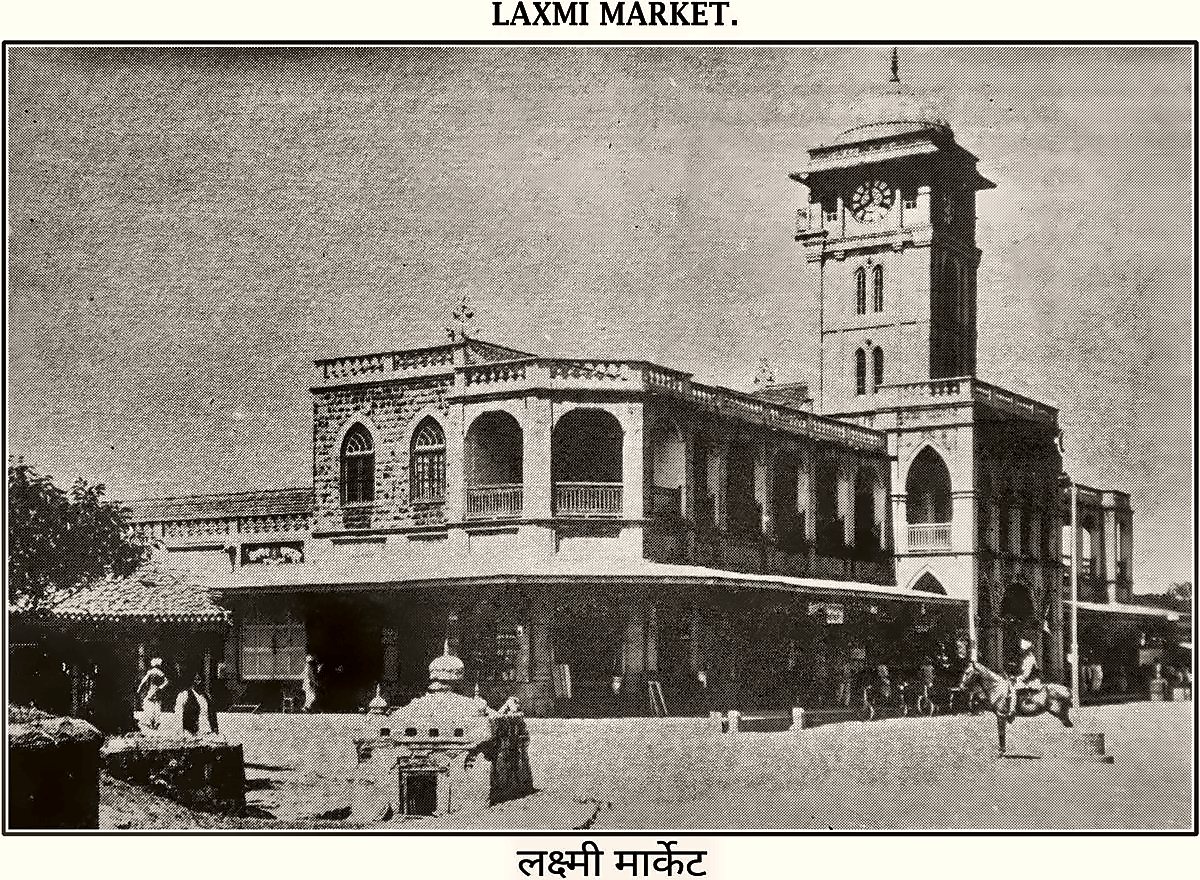
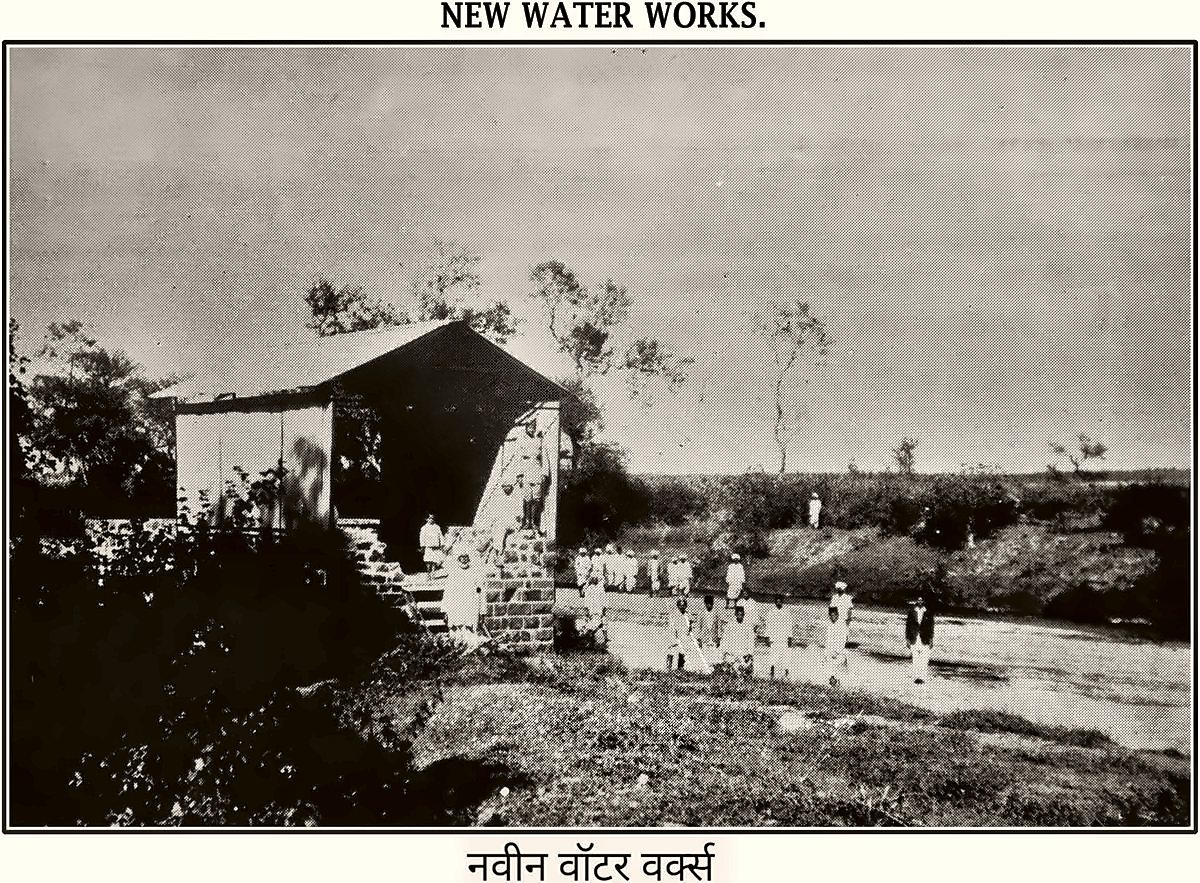
Before succeeding he served with the Maratha Light Infantry at Belgaum and held the King’s Commission. As Yuvaraj he began the Laxmi Market, opened in 1932. As Rajesaheb he sat in the Chamber of Princes from 1941, supported the Miraj State Bank, encouraged new industry, built the Gangadharrao Balasaheb Water Works in 1946, and reformed the State’s schools and police. He led the State until its merger with the Indian Union on 8 March 1948.

Afterwards he withdrew from public life. A follower of Gurudev Ranade of Nimbal and a friend of Das Ganu Maharaj, he wrote a book on the Turks, translated the Gaudapada Karika, kept falcons and birds, trekked to Kailas–Mansarovar and practised Ayurvedic medicine. He was cremated with state honours at the family’s Krishna Ghat. Her Highness Laxmibaisaheb Maharaj wrote short stories, a book on knitting and a kirtan broadcast on All India Radio, and founded the Vanita Samaj club in Miraj Killa.

Laxmi Market, from the Miraj State Album
Laxmi Market
New Water Works, from the Miraj State Album
New Water Works
VIII
Portrait of His Highness Shrimant Madhavrao alias Raosaheb Patwardhan Maharaj

His Highness Shrimant Madhavrao alias Raosaheb Patwardhan Maharaj

Born 1922 · Yuvarajsaheb of Miraj

Son of His Highness Narayanrao Tatyasaheb Maharaj and Her Highness Laxmibaisaheb Maharaj, heir to the Gadi, and father of the present head of the family, His Highness Balasaheb Maharaj.

Continue to the Royal Family today →